
During winter, you can still trigger indoor allergies because mold spores cling to shoes, clothes, and pets, then settle on surfaces inside your home. Pollen from cedar and juniper can hitch a ride on your clothing or hair and stick to bedding, curtains, or furniture. Poor ventilation and high humidity make mold grow and release spores. If you’re curious about how to keep these allergens out and breathe easier, keep exploring the details here.

Get everyday essentials delivered free with Prime
- Fast, free delivery on millions of items
- Prime Video, Amazon Music and more included
- Member-only deals all year
Key Takeaways
- Outdoor mold spores cling to shoes, clothing, and pets, bringing allergens indoors during winter.
- Pollen from cedar and juniper trees can enter homes via clothing, hair, or pets.
- Indoor humidity and damp areas promote mold growth, releasing spores that trigger allergies.
- Poor ventilation during winter traps airborne allergens like mold and pollen inside.
- Regular cleaning, air purifiers, and controlling humidity help reduce indoor allergen levels.
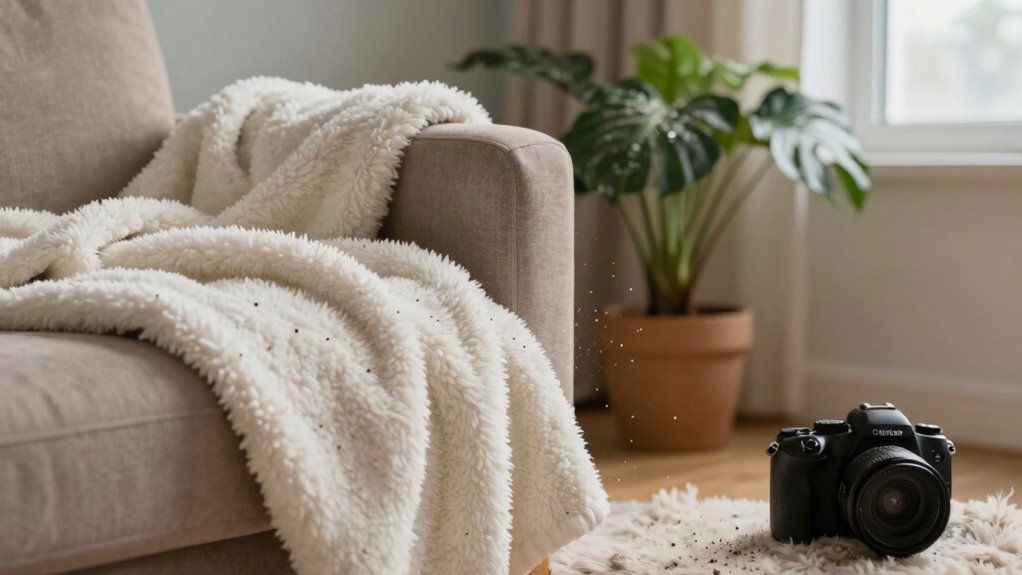
Have you ever wondered why your allergies worsen during the winter months even when you’re indoors? It’s a common question, especially since many people assume being inside shields them from allergy triggers. The truth is, indoor environments can harbor plenty of allergens that cause discomfort. While outdoor mold and seasonal pollen are often associated with warmer months, they can still find their way into your home and trigger reactions during winter.
Outdoor mold is one of those sneaky culprits. Even in cold weather, mold spores from outdoor sources can cling to your shoes, clothing, or pets and get carried inside. Once indoors, these spores settle on surfaces, carpets, or furniture, where they can thrive in damp areas like bathrooms or basements. You might not see or smell mold, but your immune system detects it, leading to allergy symptoms like sneezing, congestion, or itchy eyes. Because mold spores are lightweight and airborne, they easily circulate within your home, especially if you keep windows closed to retain heat. Regularly inspecting and cleaning indoor surfaces can help reduce mold buildup and prevent allergen accumulation.
Outdoor mold spores can cling to shoes and clothes, spreading indoors and triggering allergy symptoms even in winter.
Seasonal pollen is another invisible threat during winter. While pollen levels typically drop in colder months, some types like cedar, juniper, or juniper pollen remain airborne for longer periods and can infiltrate your home. Pollen can hitch a ride on your clothing, hair, or pets, making its way inside without you noticing. Once inside, pollen particles can stick to surfaces, bedding, or curtains, continuously exposing you to allergens. If you’re sensitive to specific pollens, even small amounts can trigger symptoms, particularly in poorly ventilated spaces. Additionally, air circulation methods like using fans or keeping windows open during brief warm spells can inadvertently introduce these allergens indoors.
Indoor mold growth is also a significant factor. Unlike outdoor mold, which relies on warm, moist conditions, indoor mold often develops in hidden areas with excess humidity—around leaky pipes, poorly ventilated bathrooms, or damp basements. Once mold begins growing indoors, it releases spores into the air, exacerbating allergy symptoms. Since winter tends to restrict airflow and ventilation, mold spores can accumulate and linger longer. Additionally, indoor humidity levels should be monitored regularly, as high humidity fosters mold growth and allergen proliferation. Using dehumidifiers or exhaust fans can help keep humidity in check and reduce mold development.
To combat these triggers, you should focus on controlling indoor humidity, using air purifiers with HEPA filters, and maintaining good ventilation. Regular cleaning helps remove settled spores and pollen, while sealing leaks and fixing damp areas prevents mold growth. Remember, even during winter, outdoor mold and seasonal pollen can sneak inside, so staying vigilant is key. Understanding that these allergens can persist indoors allows you to take steps to reduce exposure and find relief from winter allergy symptoms.
Popular right now

Ninja Foodi DZ201 8-Quart DualZone 6-in-1 Air Fryer

Ninja DualZone Smart Air Fryer, 10 Qt, 6-in-1, DZ950

De'Longhi Stilosa Compact Manual Espresso Machine with Milk Frother
As an affiliate, we earn on qualifying purchases.
Frequently Asked Questions
Can Winter Allergies Be Caused by Indoor Mold Growth?
Yes, winter allergies can be caused by indoor mold growth. Mold spores thrive in indoor air when moisture levels are high, especially in areas like basements or bathrooms. When you breathe in mold spores, your immune system reacts, causing allergy symptoms. To reduce this, guarantee proper ventilation, fix leaks promptly, and keep humidity low. Regular cleaning and using air purifiers can also help minimize mold growth and improve indoor air quality.
Do Indoor Pets Contribute to Winter Allergy Symptoms?
Yes, indoor pets can contribute to winter allergy symptoms. Pet dander, tiny skin flakes shed by animals, becomes a common indoor allergen that lingers in the air and on surfaces. During winter, you spend more time indoors, increasing exposure to these allergens. This heightened contact can worsen allergy symptoms, such as sneezing, nasal congestion, and itchy eyes. Regular cleaning and air purification can help reduce indoor allergen levels.
How Do Heating Systems Affect Indoor Allergy Triggers?
Did you know that poorly maintained heating systems can increase indoor allergy triggers by up to 50%? Your heating system impacts allergy symptoms considerably. Regular air filter maintenance reduces dust, mold, and pet dander circulating indoors. Different heating system types, like forced air or radiant heat, influence allergen levels differently. Keeping filters clean and choosing the right system helps minimize triggers and keeps your indoor environment healthier during winter.
Are Certain Indoor Plants Linked to Winter Allergy Issues?
Certain indoor plants are linked to winter allergy issues because they can be sources of plant allergens. If you have indoor plant allergies, you might notice symptoms worsen when exposed to plants like ferns, ivy, or peace lilies. These plants are common allergen sources, releasing pollen or mold spores that irritate your respiratory system. To reduce allergy flare-ups, choose hypoallergenic plants or limit your exposure to potential plant allergen sources indoors during winter.
Can Humidity Levels Indoors Influence Allergy Flare-Ups?
Humidity levels indoors can markedly influence allergy flare-ups, acting like a double-edged sword. When you don’t control humidity, airborne allergens like mold spores and dust mites thrive, making symptoms worse. By practicing humidity control—keeping levels around 30-50%—you reduce these airborne allergens, creating an environment less friendly to allergy triggers. Think of humidity control as a shield that keeps your indoor air cleaner and your allergy symptoms in check.
Conclusion
Now that you know how winter allergies can thrive indoors, it’s up to you to take action. Regular cleaning, proper ventilation, and controlling humidity can make a big difference. Don’t let allergens like dust mites and mold ruin your winter months. Aren’t you worth creating a healthier, more comfortable living space? Start today, and reclaim your indoor environment so you can enjoy the season without allergy struggles.