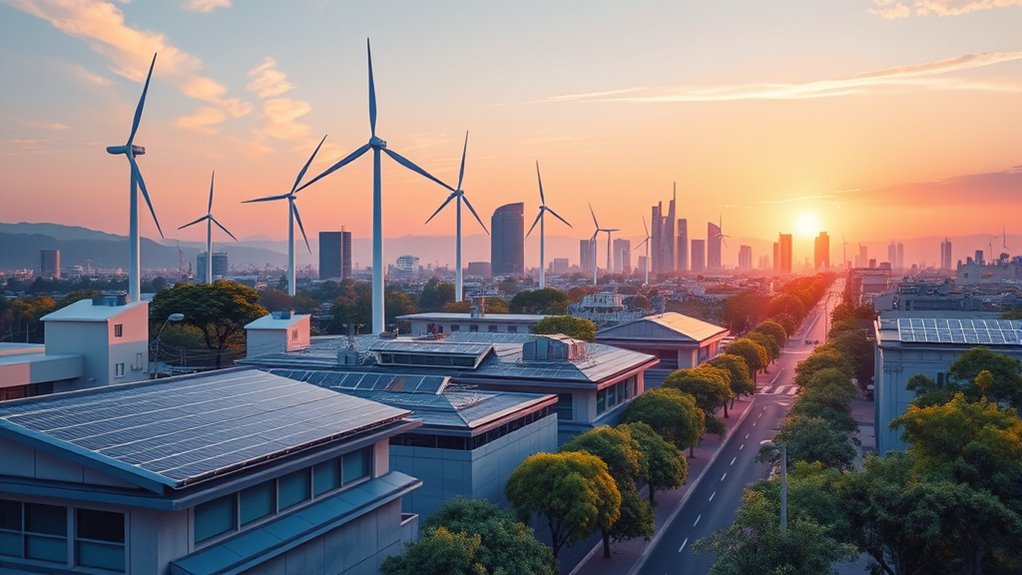

By 2026, expect solar tech to reach new heights with ultra-thin, flexible panels that can be integrated into clothing and surfaces, while wind turbines grow larger and more efficient in diverse environments. Advances in energy storage and smarter grids will make renewable power more reliable and accessible. Keep an eye on innovations that will reshape how we generate, store, and use renewable energy, opening the door to even more exciting changes ahead.
Key Takeaways
- Expect significant advancements in ultra-thin, flexible solar cells for integration into clothing, windows, and rooftops.
- Larger, more efficient offshore wind turbines will harness steadier maritime breezes for increased power output.
- Breakthroughs in energy storage will improve battery capacity and lifespan, enhancing grid stability and renewable integration.
- Smarter grids will dynamically balance supply and demand, optimizing renewable energy use and reducing waste.
- New materials and designs will make renewable tech more affordable, reliable, and accessible for widespread adoption.
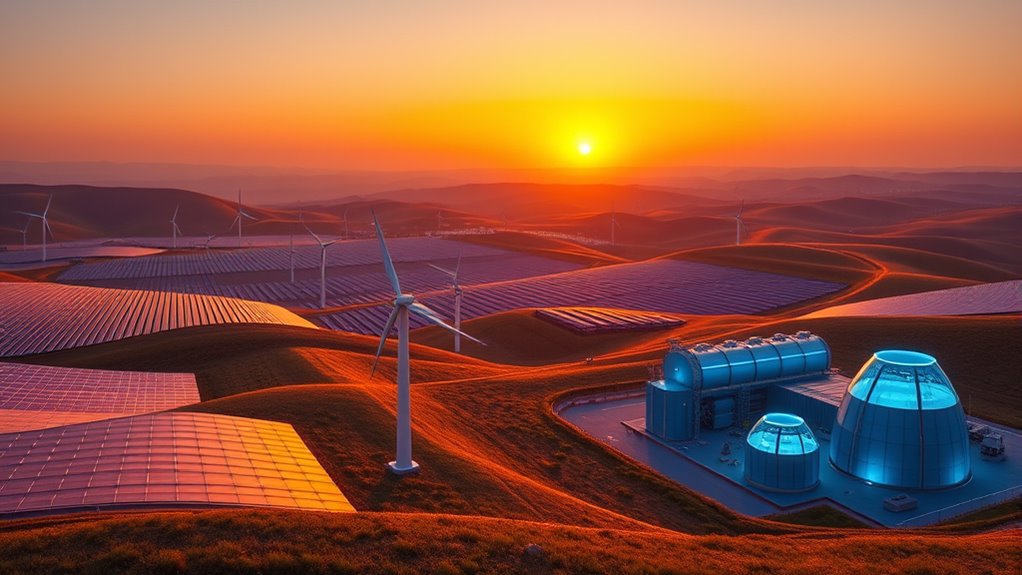
Have you ever wondered what the future of energy looks like? It’s an exciting time, especially with the rapid pace of solar innovations and wind breakthroughs shaping the landscape. These technologies are transforming how we generate power, making clean energy more accessible and efficient than ever before. As you look ahead to 2026, expect significant advancements that could revolutionize your approach to sustainability and energy consumption. Solar innovations are pushing the boundaries of efficiency, with new materials and designs allowing solar panels to capture more sunlight even in less-than-ideal conditions. Think of ultra-thin, flexible solar cells that can be integrated into everyday objects like clothing, windows, or rooftops, turning nearly any surface into a power generator. These innovations mean you’ll soon have more options for harnessing solar energy, reducing reliance on fossil fuels, and lowering your carbon footprint. Meanwhile, wind breakthroughs are driving the development of larger, more efficient turbines that can operate in a wider range of environments. Imagine wind farms located offshore where the stronger, steadier breezes can produce more power, or even smaller turbines designed for urban settings to generate energy right where you live or work. Advanced blade designs and smarter control systems are making wind energy more reliable and cost-effective, which could lead to more widespread adoption in your community. These breakthroughs are also addressing concerns about intermittency, ensuring a steadier supply of renewable energy to power homes, businesses, and infrastructure. Additionally, ongoing research into storage solutions is enhancing the capacity and longevity of batteries, which is crucial for balancing supply and demand. These advancements are helping to address intermittency issues and allow for a more stable and reliable energy supply. As these innovations become mainstream, expect to see more integrated renewable energy systems that combine solar and wind sources seamlessly, optimizing output based on weather conditions. You might find yourself benefiting from smarter energy grids that dynamically balance supply and demand, reducing waste and lowering costs. The progress in storage technology, such as advanced batteries, complements these renewable sources, allowing you to store excess energy for later use, even when the sun isn’t shining or the wind isn’t blowing. This means greater energy independence and resilience for your household or business. Overall, the advancements in solar and wind technologies point toward a future where renewable energy is not just an alternative but the primary source of power. They promise cleaner air, lower energy bills, and a more sustainable planet. As these innovations continue to evolve, you’ll find yourself at the forefront of a shift that could redefine how we think about energy, making a greener, more sustainable future not just possible but inevitable.
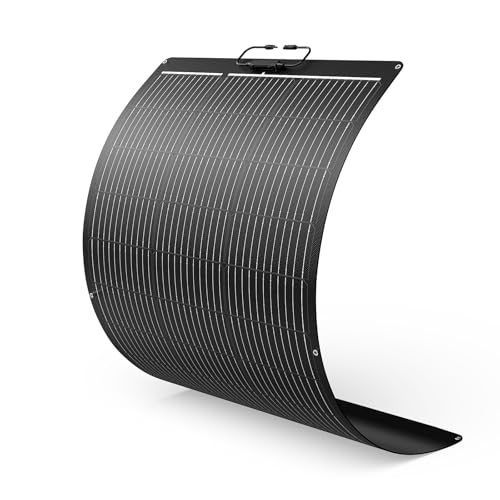
Callsun 100W Ultra-Thin Flexible Solar Panel 12V, 11BB 23% High-Efficiency ETFE Monocrystalline Panel, 240°Bendable Design for Solar Generator, Power Station, RV, Marine, 5th Wheel, Trailer, Van, SUV
Engineered for Every Curve: Experience a flawless, aerodynamic fit on complex surfaces. With 240° of flexibility, this ultra-lightweight…
As an affiliate, we earn on qualifying purchases.
As an affiliate, we earn on qualifying purchases.
Frequently Asked Questions
How Will Renewable Tech Costs Compare to Fossil Fuels by 2026?
By 2026, renewable tech costs will likely drop substantially, making them more market competitive than fossil fuels. You’ll see continued cost reduction driven by technological advances and increased scale, which helps lower prices. As renewables become more affordable, they’ll outperform fossil fuels in many regions, encouraging you to contemplate cleaner energy options. This shift will promote a more sustainable and economically viable energy landscape for consumers and businesses alike.
What Are the Biggest Barriers to Renewable Energy Adoption?
You face barriers like policy hurdles and infrastructure challenges that slow renewable energy adoption. Policy hurdles often involve regulatory delays and lack of supportive government incentives, making it harder to invest confidently. Infrastructure challenges include outdated grids and insufficient storage capabilities, which hinder efficient energy distribution. Overcoming these obstacles requires coordinated efforts between governments, industries, and communities to create streamlined policies and modernize infrastructure, enabling faster integration of renewable sources into your energy system.
Which Countries Are Leading in Renewable Technology Innovation?
You’ll find that the leading countries in renewable technology innovation are often the ones investing heavily in solar advancements and nurturing innovation hubs. Nations like China, the U.S., and Germany stand out, continually pushing forward with cutting-edge solar tech and collaborative research centers. Their commitment fuels breakthroughs, making them global pioneers in renewable energy, and setting a shining example for others to follow in the journey toward sustainable solutions.
How Will Energy Storage Evolve to Support Renewables?
You’ll see energy storage evolve with significant battery advancements, making storage more efficient and affordable. These innovations will improve grid integration, allowing renewables to supply consistent power even when production dips. Expect smarter, faster-charging batteries and larger-scale storage solutions that seamlessly connect with grids. This progress helps stabilize energy supply, supports renewable growth, and reduces reliance on fossil fuels, shaping a more resilient and sustainable energy future.
What Role Will Government Policies Play in Renewable Tech Growth?
Government policies will play a pivotal role in renewable tech growth by providing policy incentives that encourage innovation and adoption. You’ll see regulatory frameworks designed to streamline project approvals, reduce costs, and support grid integration. These policies create a favorable environment for investment and research, helping renewable technologies become more competitive and widespread. Your success in leveraging these policies depends on staying informed about new incentives and regulatory changes.

Offshore Wind Turbines: Reliability, availability and maintenance (Energy Engineering)
Used Book in Good Condition
As an affiliate, we earn on qualifying purchases.
As an affiliate, we earn on qualifying purchases.
Conclusion
As you look ahead to 2026, emerging renewable technologies offer hope amid ongoing climate challenges. While solar panels become more efficient, and wind turbines grow taller, the promise of a cleaner future clashes with the reality of technological hurdles and investment needs. You stand at a crossroads—embracing innovation or risking stagnation. It’s a balancing act, where progress and setbacks coexist, shaping a future that’s as uncertain as it is hopeful.

Trojan T105-AES 6V Advanced Energy Storage Deep-Cycle Battery, Renewable Energy, Off-Grid, Industrial Use (Pack of 4)
True Deep-Cycle AGM Technology – The Trojan T105-AES delivers maintenance-free absorbed glass mat performance with enhanced cycling capabilities…
As an affiliate, we earn on qualifying purchases.
As an affiliate, we earn on qualifying purchases.

SMART GRID ENGINEERING AND ENERGY MANAGEMENT: IoT-enabled systems distributed control and real-time optimization
As an affiliate, we earn on qualifying purchases.
As an affiliate, we earn on qualifying purchases.

Elena’s passion for the arts and culture shines through in her vivid reporting. From film festivals to gallery openings, her coverage is an essential source for anyone interested in the latest cultural trends and artistic movements.