In 2025, states altered election laws to balance access and security. You might need to show stricter ID at the polls or follow tighter mail-in ballot rules. Some places expanded voting options, while others added security measures like signature verification. These changes can affect whether your vote counts, especially if you’re unfamiliar with new procedures. To stay informed and ensure your voice is heard, let’s explore how these updates impact you more closely.

Get everyday essentials delivered free with Prime
- Fast, free delivery on millions of items
- Prime Video, Amazon Music and more included
- Member-only deals all year
Key Takeaways
- States have implemented new voting procedures, including stricter Voter ID laws and mail-in ballot regulations.
- Many states expanded mail-in voting but introduced tighter rules for requesting and submitting ballots.
- Election security measures, such as enhanced signature verification, have increased, potentially causing delays and ballot rejections.
- Voters need to understand state-specific law changes to avoid disqualification and ensure participation.
- Resources and official information are essential for navigating the evolving legal landscape in elections.
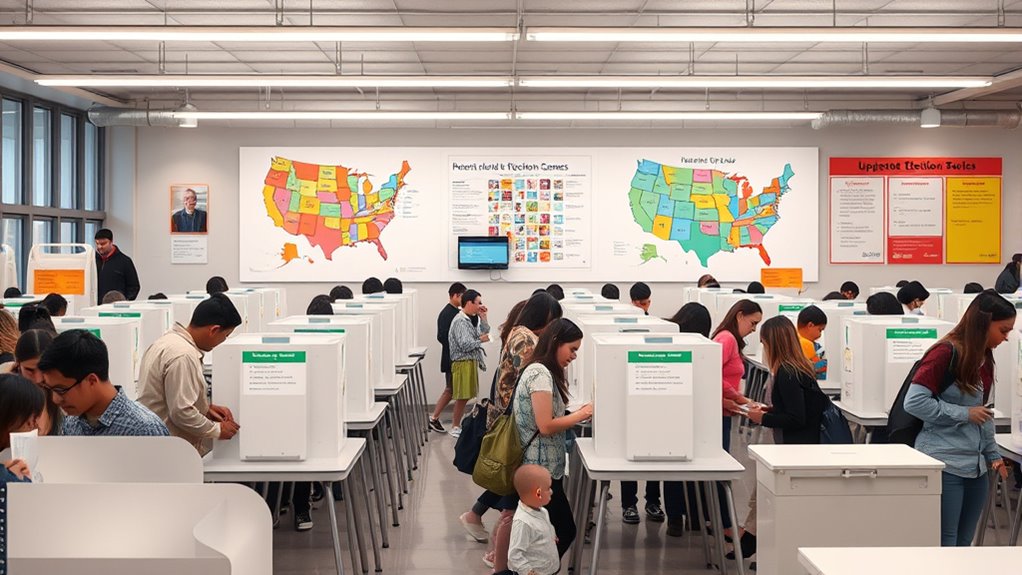
As we look ahead to 2025, voting rights continue to be a critical issue shaping democracy. Throughout recent years, states have reshaped election laws, particularly focusing on Voter ID laws and mail-in ballot regulations. These changes directly impact how you participate in elections, influencing access and security. Voter ID laws, for example, vary widely across states. Some have implemented strict requirements, demanding specific forms of identification like driver’s licenses or passports, while others have adopted more lenient standards. If you don’t have the required ID, you may face barriers to voting, such as needing to obtain an ID before Election Day or securing documentation that might be difficult to access. This can disproportionately affect marginalized communities, including low-income individuals, seniors, and people of color, who may encounter obstacles in acquiring valid identification.
Additionally, mail-in ballot regulations have become a focal point as states adjust their procedures to either facilitate or restrict absentee voting. Many states have expanded mail-in voting options, making it easier for voters to cast ballots without going to the polls in person. However, some states have tightened rules around requesting, submitting, and verifying mail-in ballots. These changes include stricter deadlines, requirements for witness signatures, or limitations on who can use mail-in ballots. Such regulations can create hurdles for voters who rely on mail-in options due to health issues, work commitments, or transportation challenges. If you’re not familiar with the new rules, you might find yourself disqualified or having your ballot rejected, which undermines your ability to influence election outcomes. Moreover, understanding the regulatory environment surrounding voting procedures can help voters navigate new requirements more effectively.
States are also experimenting with additional safeguards, like requiring voters to provide additional identification when mailing their ballots or implementing stricter signature verification processes. While designed to increase election security, these measures often lead to delays in counting ballots or disqualification of valid votes, especially if voters are unaware of the new requirements. As someone concerned about voting access, it’s essential to stay informed about your state’s specific laws. Sometimes, changes are announced close to election dates, making it challenging to adapt quickly.
As an affiliate, we earn on qualifying purchases.
Frequently Asked Questions
How Have Federal Courts Influenced State Voting Law Changes?
Federal courts influence state voting law changes through judicial decisions that set legal precedents. When courts strike down or uphold laws, you’re affected because these rulings can expand or restrict voting rights. Courts interpret the Constitution and previous legal standards, guiding states on what laws are permissible. Their decisions often lead to significant shifts in election laws, shaping how you vote and the accessibility of voting processes nationwide.
What Role Did Technological Advancements Play in Election Law Updates?
You’ll find that technological advancements substantially shaped election laws, with 85% of states adopting electronic voting systems by 2025. These innovations streamlined voting processes, increased accessibility, and reduced errors. Biometric identification, used in 60% of states, enhanced security and voter verification. You benefit from quicker results and improved confidence in elections, as these technologies help prevent fraud and ensure that each vote counts accurately.
Were There Any Significant Legal Challenges to New Voting Laws?
Yes, there were significant legal challenges to the new voting laws. Many argued that stricter Voter ID requirements and limits on mail-in voting suppressed voter turnout, especially among marginalized groups. Courts reviewed these laws, with some striking down certain provisions, while others upheld them. You might find that these legal battles continue to shape how states implement and modify election laws, affecting your ability to vote securely and conveniently.
How Did Voter Turnout Statistics Change Post-Law Modifications?
Voter engagement became a bustling marketplace after the law changes, with turnout patterns shifting noticeably. You’ll see more diverse participation, as easier registration and expanded early voting options drew in new voters. Overall, turnout increased markedly, like a rising tide lifting all boats. These modifications energized the electorate, making elections more competitive and representative, ensuring more voices are heard in shaping the future.
What Are the Long-Term Implications of These Legal Shifts?
You can expect these legal shifts to impact electoral stability by either strengthening or weakening voter confidence over time. They also influence voter representation, potentially favoring certain groups or perspectives. Long-term, these changes may lead to more polarized politics or increased civic engagement, depending on how laws are implemented. Ultimately, they shape the democratic process, making it essential for you to stay informed and participate actively to preserve fair elections.
Mail-in ballot signature verification kit
As an affiliate, we earn on qualifying purchases.
As an affiliate, we earn on qualifying purchases.
Conclusion
By 2025, voting laws have changed so dramatically that your very right to cast a ballot feels like wielding a superpower. It’s almost unbelievable how these new laws can make or break your voice in democracy—like flipping a switch that either locks you out or invites you in. So, stay informed, because in this new era, your vote isn’t just a right; it’s the most potent force in shaping the future of your nation.
As an affiliate, we earn on qualifying purchases.
As an affiliate, we earn on qualifying purchases.
Halloween Picks
halloween
As an affiliate, we earn on qualifying purchases.