
TL;DR

Get everyday essentials delivered free with Prime
- Fast, free delivery on millions of items
- Prime Video, Amazon Music and more included
- Member-only deals all year
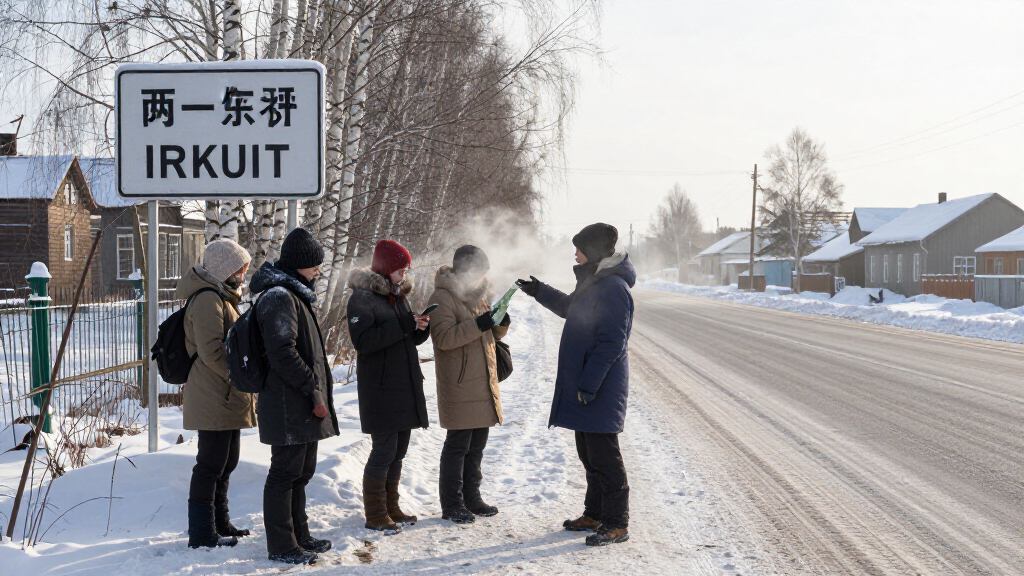
Officials in Russia’s Irkutsk region issued and then deleted a travel warning for the town of Shelekhov after a hospital patient reportedly died of pneumonic plague. The administration of Baikalsk urged residents to avoid the area, but the post was removed within two hours. While media reports identify the victim as a 28-year-old woman, regional authorities have only confirmed a suspected case of an especially dangerous infection, leading to local shortages of antibiotics.
Authorities in Russia’s Irkutsk region advised residents to avoid traveling to the town of Shelekhov following reports that a hospital patient may have died of pneumonic plague. The administration of the nearby city of Baikalsk published a warning on Telegram urging people not to visit the satellite town, but the post was deleted two hours later, according to local outlet People of Baikal. This abrupt reversal has fueled confusion and anxiety, as national media outlets also removed related content while residents scramble to purchase antibiotics.
The initial alert from the Baikalsk administration specifically targeted Shelekhov, a town located near the regional capital of Irkutsk. The warning cited the potential death of a patient from pneumonic plague, a highly contagious and severe form of the disease. However, the rapid deletion of the message suggests either an internal error or a deliberate decision to suppress the information before official confirmation was released. People of Baikal reported that the national television channel Ren TV also deleted five social media posts discussing the spread of the plague in Shelekhov.
Media reports from October 2 identified the deceased as Daria Shipilova, a 28-year-old patient at the Shelekhov District Hospital. Despite these reports, regional authorities have not confirmed the cause of death as plague. Instead, officials have stated only that the case involves a suspected infection classified as “especially dangerous.” This ambiguity has led to conflicting narratives, with Alexei Tsydenov, the head of the neighboring Buryatia region, editing his own social media posts to clarify that the woman had “possibly” died of plague and had not traveled to his region.
Public Health Anxiety and Information Control
The incident highlights the tension between public health transparency and information management in Russia. The deletion of official warnings creates a vacuum of information that is quickly filled by rumors and unverified media reports. For residents, the uncertainty is dangerous; without clear guidance, they cannot assess their actual risk. The rapid removal of posts by both local and national outlets suggests a coordinated effort to control the narrative, potentially undermining trust in official health communications. When authorities retract warnings without explanation, it often signals either a severe error in initial reporting or an attempt to prevent panic, but the result is often increased public distrust and behavioral changes, such as the hoarding of medical supplies.
As an affiliate, we earn on qualifying purchases.
Recent Plague History in Russia
Plague is not a common occurrence in modern Russia, but it is not entirely unprecedented. The last registered case occurred in 2016, when a 10-year-old child fell ill in the Altai Republic. The rarity of such events makes any suspected case a significant outlier. Pneumonic plague, in particular, is the most infectious form and can spread through respiratory droplets, posing a different risk profile than the more common bubonic plague transmitted by fleas. The Irkutsk region is geographically remote, but its proximity to major transport routes means that any outbreak could have broader implications if not contained quickly. The current situation in Shelekhov is being watched closely by health officials who must balance the need for containment with the risk of causing widespread alarm.
“The administration of Baikalsk… published a Telegram post urging residents not to travel to Shelekhov… It deleted the post two hours later.”
— People of Baikal
personal protective masks for infectious diseases
As an affiliate, we earn on qualifying purchases.
As an affiliate, we earn on qualifying purchases.
Unconfirmed Cause of Death
It remains unclear whether the patient’s death was definitively caused by pneumonic plague. While media outlets have named the victim and specified the disease, regional authorities have withheld confirmation, referring only to a suspected especially dangerous infection. The reason for the deletion of the travel warning has not been officially explained. It is unknown whether the initial post was based on preliminary test results that were later disproven, or if the deletion was a political decision to avoid panic. Furthermore, it is not clear if there are other confirmed or suspected cases linked to the initial patient, or if the situation is contained within the hospital in Shelekhov.
disinfectant hand sanitizer for bacteria
As an affiliate, we earn on qualifying purchases.
As an affiliate, we earn on qualifying purchases.
Awaiting Official Health Confirmations
The immediate focus will be on the release of laboratory test results by regional health authorities. Until an official statement confirms or denies the plague diagnosis, residents of Shelekhov and Irkutsk will likely continue to monitor local news and social media for updates. Health officials may issue new guidelines regarding quarantine measures or antibiotic distribution if the diagnosis is confirmed. The behavior of local pharmacies, where antibiotics effective against the plague pathogen are being bought up, will be a key indicator of public sentiment and the perceived severity of the threat. International health organizations may also monitor the situation given the infectious nature of pneumonic plague.
As an affiliate, we earn on qualifying purchases.
Key Questions
Did the patient definitely die of plague?
No. While media reports identified the cause as pneumonic plague, regional authorities have only confirmed a suspected case of an “especially dangerous infection.” The diagnosis has not been officially verified by the government.
Why did officials delete the travel warning?
The reason has not been publicly explained. The Baikalsk administration posted the warning and then deleted it two hours later. This could indicate an error in the initial information or a strategic decision to manage public communication, but no official statement has clarified the motive.
Is there a risk to travelers in the region?
Currently, there is no official travel ban. However, the initial warning and subsequent deletion have created uncertainty. Pneumonic plague is highly contagious, so if the diagnosis is confirmed, authorities may implement stricter containment measures. Residents are advised to follow official health guidelines.
When was the last plague case in Russia?
The last registered case in Russia was in 2016, when a child in the Altai Republic fell ill. Cases are rare, which contributes to the heightened attention this suspected incident has received.
Source: rss
Fall Picks
fall essentials
As an affiliate, we earn on qualifying purchases.