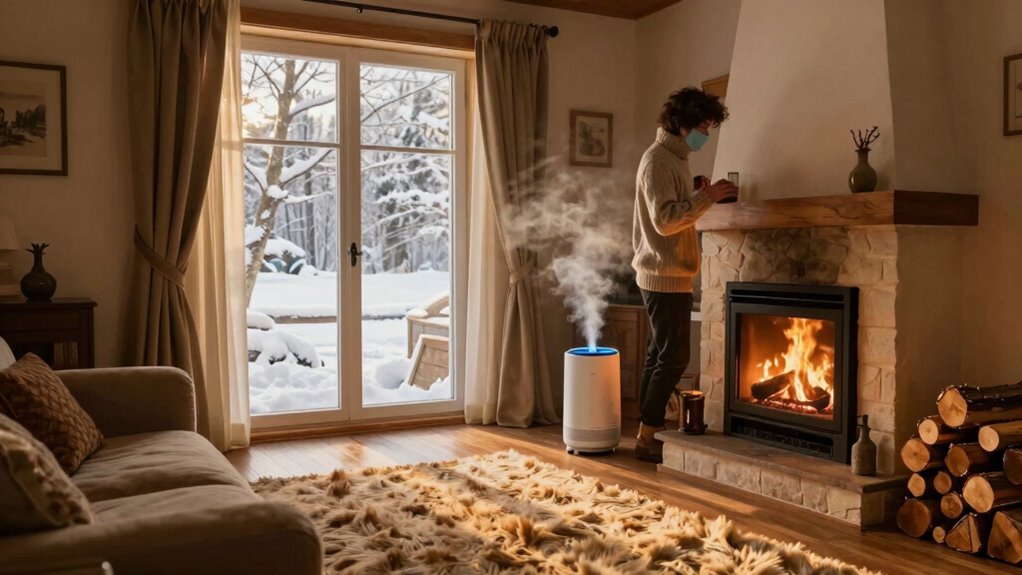

In winter, indoor air quality becomes a bigger issue because sealing homes tightly traps pollutants like dust, pet dander, mold spores, and VOCs inside. Dry air from heating systems can cause discomfort and respiratory irritation. Limited airflow reduces fresh air exchange, making pollutants and humidity problems worse. If you keep indoor spaces poorly ventilated, your health can suffer. Want to discover simple ways to improve your indoor air quality during winter? Keep going to find out more.

Get everyday essentials delivered free — and shop member deals
- Fast, free delivery on millions of items
- Access to Prime Big Deal Days deals on October 6–7
- Prime Video, Amazon Music and more included
Key Takeaways
- Closing windows and doors traps indoor pollutants, reducing fresh air circulation during winter.
- Heating systems dry out indoor air, exacerbating respiratory irritation and discomfort.
- Tight sealing of homes limits natural ventilation, allowing pollutants and humidity to accumulate.
- Low outdoor temperatures decrease the effectiveness of natural air exchange.
- Increased indoor activities and use of heating devices can elevate pollutant levels indoors.
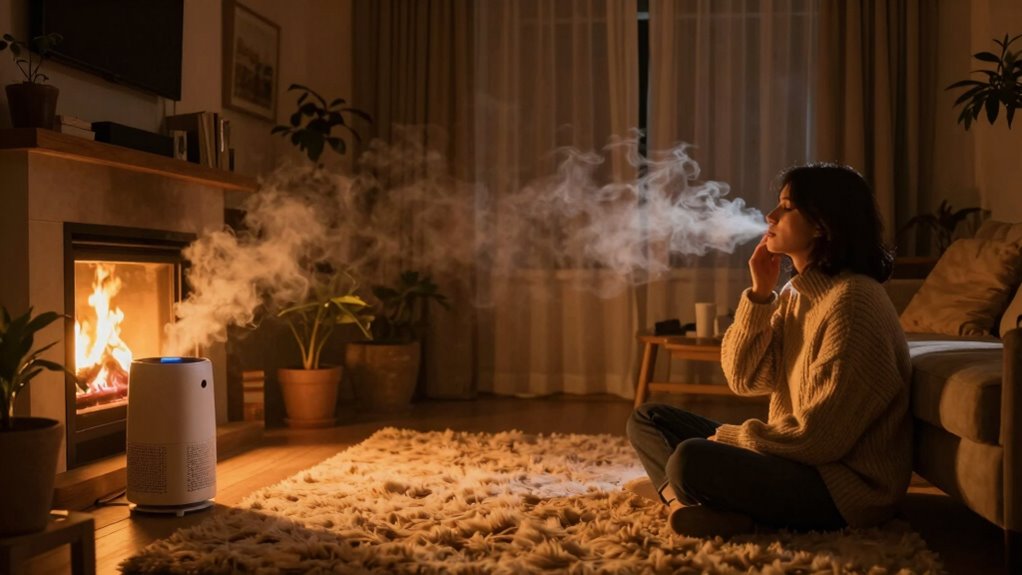
When winter arrives and you spend more time indoors, maintaining good indoor air quality becomes even more important. Cold weather often leads you to close windows and doors to keep the warmth in, which can trap pollutants and reduce fresh air circulation. This can significantly impact your health, especially if proper ventilation isn’t maintained. This creates a buildup of indoor pollutants like dust, pet dander, mold spores, and volatile organic compounds, making the air you breathe less healthy. To combat this, you need to focus on effective ventilation strategies. Instead of simply sealing your home tight, consider using exhaust fans, air purifiers, or controlled ventilation systems that bring in fresh air while filtering out contaminants. Good ventilation ensures that stale indoor air is replaced regularly, reducing the risk of respiratory issues and improving overall air quality.
Another key factor during winter is humidity control. Indoor air tends to become drier as heating systems pull moisture out of the air, leading to discomfort, dry skin, and irritated respiratory passages. Low humidity levels can also cause wood furniture and musical instruments to crack and create static electricity. To maintain a healthy balance, you should use humidifiers to add moisture when indoor air gets too dry. Aim for a humidity level between 30% and 50%, which helps keep your respiratory system functioning properly and inhibits the growth of mold and dust mites. Maintaining proper air exchange is essential, as it helps prevent the buildup of indoor pollutants and keeps the air fresh. Too much humidity, however, can promote mold growth and worsen indoor air quality, so it’s important to monitor and adjust humidity levels accordingly. Incorporating ventilation strategies can help manage indoor humidity and air exchange effectively during the winter months, especially since air quality can deteriorate quickly without proper airflow. Additionally, understanding the importance of indoor air quality can motivate you to implement these strategies for a healthier living environment.
air purifier for indoor air quality
As an affiliate, we earn on qualifying purchases.
As an affiliate, we earn on qualifying purchases.
Frequently Asked Questions
How Can I Test My Home’s Indoor Air Quality Effectively?
To test your home’s indoor air quality effectively, use an air quality monitor that detects pollutants, humidity levels, and VOCs. Place the device in common areas and regularly check the readings. Incorporate air purifiers to remove pollutants and control humidity to prevent mold growth. These steps help you identify issues and maintain a healthier indoor environment during winter when air quality often declines.
Are There Specific Indoor Pollutants That Worsen During Winter?
When winter hits, certain indoor pollutants become more problematic. Ventilation challenges trap combustion byproducts like carbon monoxide and nitrogen dioxide inside, making the air quality worse. You might also notice an increase in mold spores due to dampness and poor airflow. Since fresh air is harder to get during cold months, it’s essential to regularly check your indoor environment and use air purifiers to keep pollutants at bay.
What Are the Health Risks of Poor Indoor Air Quality in Winter?
Poor indoor air quality in winter can lead to health issues like allergies, respiratory problems, and even infections. You risk exposing yourself to pollutants trapped indoors due to limited ventilation. To reduce these risks, use effective ventilation strategies and air purifying devices. These tools help remove pollutants, improve air circulation, and keep your indoor environment healthier during the colder months, protecting your lungs and overall well-being.
Can Indoor Plants Improve Air Quality During the Colder Months?
You’ll be pleased to know that indoor plants can improve air quality during colder months. Studies show that certain plants can remove toxins and increase humidity, which is especially helpful when seasonal changes dry out the air. Their benefits include filtering pollutants and boosting your mood. During winter, these plant benefits become even more important, helping you breathe easier and stay healthier despite the closed windows and heating systems.
How Often Should I Replace or Clean Air Filters in Winter?
You should replace or clean your air filters every 1 to 3 months during winter, depending on your filter’s lifespan and your home’s air quality. Follow your HVAC system’s maintenance schedule for maximum performance. Regularly checking filters ensures they don’t get clogged, which can reduce airflow and indoor air quality. Changing filters more frequently in winter helps maintain good air quality as indoor activity levels increase.
As an affiliate, we earn on qualifying purchases.
Conclusion
As winter’s chill settles in, remember that your home becomes a fortress and a trap all at once. Just as a glass window reveals both the beauty outside and the dust inside, your indoor air reflects your environment’s health. Keep it clean and ventilated, or risk letting pollutants silently settle like snow—hidden yet impactful. By staying vigilant, you turn your home into a sanctuary, not a trap, ensuring fresh air flows like a breath of spring even in winter’s grasp.
As an affiliate, we earn on qualifying purchases.
As an affiliate, we earn on qualifying purchases.
Fall Picks
fall essentials
As an affiliate, we earn on qualifying purchases.