
Searching for an astrophotography telescope in 2026 means balancing performance, ease of use, and budget. The Celestron NexStar 8SE stands out as the best overall choice, combining powerful optics with sophisticated computerized tracking. For those seeking portability, the Dwarf 3 Smart Telescope offers a compact, auto-tracking solution with 4K imaging, perfect for on-the-go astrophotography. Meanwhile, the SVBONY SV503 Refractor balances quality and affordability for enthusiasts new to astrophotography but still serious about capturing detailed images. Keep in mind, the main tradeoffs revolve around size, complexity, and cost—more powerful setups tend to be bulkier and pricier, while portable options might sacrifice some optical quality. Continue reading for a detailed breakdown of these options and help narrowing down your perfect telescope.
Key Takeaways
- The best overall astrophotography telescope combines power and user-friendly automation, with the Celestron NexStar 8SE leading that balance.
- Portability matters: the Dwarf 3 Smart Telescope offers auto-tracking in a compact form, ideal for travel but with some optical limitations.
- Affordable refractors like the SVBONY SV503 provide great value for beginners who want quality images without high costs.
- Optical size and type significantly influence image detail—larger Schmidt-Cassegrain models outperform smaller refractors in deep-sky imaging.
- Automation features such as GoTo mounts and auto-tracking are game-changers for ease of capturing astrophotos, but add complexity and expense.




More Details on Our Top Picks
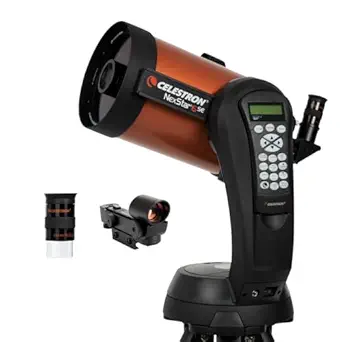
Celestron NexStar 8SE Computerized Telescope – 8-Inch Schmidt-Cassegrain
The Celestron NexStar 8SE stands out for its large 8-inch aperture, which delivers detailed lunar and planetary views, as well as the ability to capture faint deep-sky objects. Its fully automated GoTo mount with SkyAlign technology makes it accessible for beginners, but its weight and need for power can be drawbacks for portable use. Compared with the smaller 6-inch NexStar 6SE, this model excels in light-gathering capacity, though it requires a sturdier setup and more space. Its extensive database of over 40,000 objects and upgrade options make it versatile for serious astrophotographers willing to handle the added complexity and weight. This choice is ideal for users who want a powerful, expandable system capable of detailed lunar, planetary, and deep-sky work, despite the tradeoffs in portability and setup effort.
Pros:- Large 8-inch aperture for sharp, detailed lunar and planetary images
- Automated GoTo mount simplifies locating objects
- Extensive object database and upgrade support
Cons:- Heavy and less portable, requiring a sturdy mount and space
- Requires external power source for operation
- Steep learning curve for new users
Best for: Intermediate to advanced amateur astronomers seeking a versatile, high-performance telescope for detailed astrophotography and celestial observations.
Not ideal for: Travelers or beginners who prioritize portability and simple setup over maximum light-gathering power.
- Aperture:8 inches
- Optical Design:Schmidt-Cassegrain
- Mount Type:Computerized GoTo
- Object Database:40,000+ objects
- Alignment Technology:SkyAlign
- Warranty:2 years
Bottom line: This telescope makes the most sense for dedicated amateurs who want serious observational and imaging capabilities and are prepared for a more involved setup.
SVBONY SV503 Refractor Telescope with Built-in Field Flattener, 70mm F6.78, Achromatic Refractor OTA for Astrophotography and Visual Astronomy
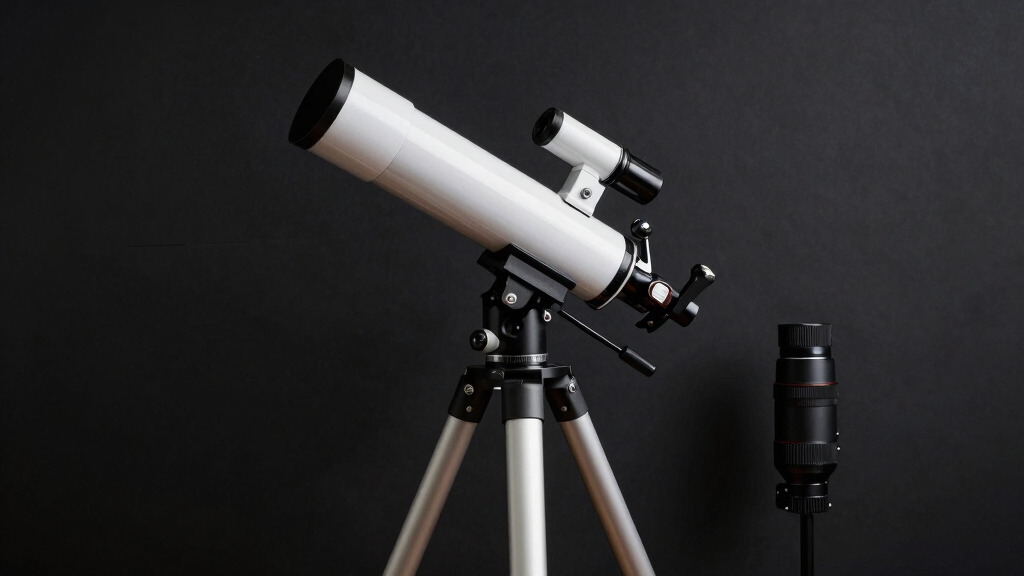
The SVBONY SV503 offers a compact, 70mm aperture with a built-in field flattener that minimizes chromatic aberration, making it excellent for capturing bright, crisp images of planets and the moon. Unlike the larger Schmidt-Cassegrain options, it’s ideal for users who want a lightweight setup without sacrificing image quality, especially for astrophotography and visual observations. Its dual-speed focuser allows precise focusing, a necessity for sharp shots, but the small aperture limits its effectiveness for deep-sky imaging compared to the 8-inch NexStar 8SE. Designed primarily for enthusiasts with some experience, it’s less suited for those seeking to pursue advanced astrophotography without additional accessories. Overall, it’s a strong choice for those prioritizing portability and sharp visual results, even if it means sacrificing some deep-sky capabilities.
Pros:- Built-in field flattener simplifies setup and reduces accessories needed
- Bright, sharp images with minimal chromatic aberration
- Dual-speed focuser enhances precise focusing
Cons:- Limited aperture size restricts deep-sky imaging potential
- Requires additional accessories for advanced astrophotography
- Designed mainly for experienced users
Best for: Intermediate astrophotographers who want a portable, sharp-image telescope for planetary and lunar imaging.
Not ideal for: Deep-sky imaging enthusiasts seeking high-detail images of faint galaxies or nebulae, or complete beginners without experience in astrophotography accessories.
- Aperture:70mm
- Focal Ratio:F6.78
- Built-in Field Flattener:Yes
- Optical Design:Achromatic Refractor
- Focuser:Dual-speed
- Material:Aluminum CNC components
Bottom line: This refractor is perfect for astrophotographers focused on planetary and lunar imaging who value portability and clarity over deep-sky capability.
Celestron NexStar 6SE Computerized Telescope – 6-Inch Schmidt-Cassegrain Optical Tube with Fully Automated GoTo Mount
The Celestron NexStar 6SE combines a 6-inch aperture with an automated GoTo mount and SkyAlign technology, making it accessible for beginners interested in both planetary and deep-sky observing. While it offers less light-gathering power than the 8-inch NexStar, it remains capable of detailed views of the moon, planets, and brighter deep-sky objects, with the advantage of being more portable. Its compact design and ease of setup make it a practical starter telescope, but its limited aperture means it struggles with faint, distant galaxies compared to the larger models. The cost can be a barrier for absolute beginners, especially considering the need for power and Celestron-specific accessories. Overall, it’s a balanced choice for newcomers who want a manageable, automated system that still handles a variety of celestial targets.
Pros:- Easy setup with automated alignment
- Decent 6-inch aperture for detailed lunar and planetary views
- Portable and compact design for travel and storage
Cons:- More expensive relative to beginner expectations
- Requires external power for operation
- Limited to Celestron accessories, restricting upgrade options
Best for: Beginners and casual observers wanting an easy-to-use, portable telescope with good planetary and bright deep-sky viewing capabilities.
Not ideal for: Experienced astrophotographers seeking high-detail deep-sky imaging or users wanting the largest possible aperture for faint objects.
- Aperture:6 inches
- Optical Design:Schmidt-Cassegrain
- Mount Type:GoTo computerized
- Object Database:40,000+ objects
- Alignment Technology:SkyAlign
- Warranty:2 years
Bottom line: This telescope suits newcomers who want a straightforward, portable system capable of handling a variety of celestial objects with minimal fuss.
Dwarf 3 Smart Telescope – Portable Astrophotography Camera with 4K Auto-Tracking
The Dwarf 3 Smart Telescope offers exceptional portability at just 3 pounds, making it ideal for outdoor adventures and quick setup. Its dual lenses for day and night use and integrated 4K auto-tracking turn it into a versatile device suitable for beginners and casual users interested in astrophotography, wildlife, or landscape shots. Unlike traditional telescopes, it’s designed for smartphone or app connectivity, simplifying operation but limiting optical specifications details like zoom or sensor size. It excels in producing clear, well-tracked images on the go, but isn’t meant to replace larger, dedicated astrophotography rigs for high-resolution deep-sky imaging. This pick makes the most sense for those who prioritize mobility and instant results over detailed optical performance.
Pros:- Ultra-lightweight and portable for travel
- Dual lenses for day and night imaging versatility
- Smart auto-tracking with 4K clarity for quality photos
Cons:- Limited optical specifications and sensor details
- Dependent on smartphone or app for full functionality
- Battery life and long-term use details are unclear
Best for: Travelers and outdoor enthusiasts seeking quick, high-quality auto-tracked astrophotos and landscapes without heavy equipment.
Not ideal for: Users aiming for high-resolution deep-sky imaging or who prefer traditional telescope setups with extensive optical control.
- Weight:3 lb
- Mode:AZ/EQ
- Resolution:4K
- Auto-Tracking:Yes
- Connectivity:USB-C
- Included Accessories:Carrying bag, magnetic filters, wipe cloth
Bottom line: This device is perfect for outdoor enthusiasts who want instant, high-quality auto-tracking photos during travel and outdoor excursions.
SVBONY SV503 Telescope for Adults 102mm F7 Refractor with Dual-Speed Focuser and 360° Field Rotator
The SVBONY SV503 stands out as a versatile choice for dedicated astrophotographers who prioritize image quality and precise control. Its 102mm aperture and FMC coating deliver bright, high-contrast images, while the ED glass helps minimize chromatic aberration, resulting in sharper, more accurate color images compared to smaller or less advanced scopes like the SVBONY 70mm. The dual-speed focuser and 360° field rotator facilitate fine adjustments, making it easier to capture detailed shots with minimal frustration. However, this model is relatively heavy and requires some setup, which might be inconvenient for casual observers or those needing portability. Additionally, its price surpasses entry-level options, making it better suited to enthusiasts willing to invest in quality. Overall, this telescope provides a solid balance of optical excellence and control for users committed to astrophotography.
Pros:- High-quality FMC coating for bright, high-contrast images
- ED glass reduces chromatic aberration for sharper colors
- Dual-speed focuser and 360° field rotator enable precise focusing
Cons:- Heavier and less portable, challenging for travel
- Requires assembly and adjustment for optimal use
- Higher price point may be a barrier for entry-level users
Best for: Serious amateur astrophotographers who want high-quality optics and precise focusing tools
Not ideal for: Casual stargazers or those prioritizing portability over optical performance
- Aperture:102mm
- Focal Length:714mm (f/7)
- Focusing Travel:90mm
- Optical Coating:FMC
- Glass Type:S-FPL51 ED
- Focus Mechanism:Dual-speed (1:10)
- Field Rotator:360°
Bottom line: This telescope is ideal for dedicated astrophotographers seeking top optical performance and control, despite its weight and cost.
Smart Telescope with 4K Astrophotography Camera and Dual Screens
The Smart Telescope with 4K camera offers a highly portable solution for users who want quick setup and instant sharing, making it a solid alternative to larger, more specialized systems like the SV503 for casual use. Its 80mm aperture and 300mm focal length produce bright, detailed images suitable for both astronomy and outdoor photography, with up to 350X magnification. The inclusion of dual screens allows for real-time viewing and easy photo or video sharing, which is a significant advantage over traditional telescopes that lack integrated displays. While its 4K camera captures stunning images, the battery life may limit extended sessions, and setup can be complex for first-time users. External storage support is helpful but adds to the overall system complexity. Overall, this model makes the most sense for outdoor enthusiasts who want instant results and portability at the expense of some long-term operational flexibility.
Pros:- High-resolution 4K camera delivers stunning images
- Dual screens enable real-time viewing and easy sharing
- Portable and versatile for outdoor activities
Cons:- Limited battery life for extended use
- Requires external storage for large video files
- Setup may be complex for beginners
Best for: Outdoor hobbyists seeking a portable, all-in-one astrophotography and observation device with instant sharing capabilities
Not ideal for: Advanced astrophotographers requiring long exposure controls and extensive customization
- Aperture:80mm
- Focal Length:300mm
- Magnification:up to 350X
- Sensor:Starlight-grade
- Camera Resolution:4K
- External Storage Support:up to 512GB
- Battery Capacity:4500mAh
- Battery Life:up to 6 hours
- Diopter Adjustment:+/-4
Bottom line: This telescope shines for casual users who want quick, high-quality images and real-time sharing in a portable package, even if it sacrifices some long-term flexibility.

How We Picked
These products were selected based on their optical performance, ease of use, build quality, and suitability for astrophotography. Priority was given to telescopes that offer precise tracking, good image quality, and user-friendly features, especially for amateur astronomers and hobbyists. We considered factors like aperture size, mount stability, automation capabilities, and overall value for money. Products were ranked by how well they balance these elements, with an emphasis on those that serve both beginner and intermediate needs while also including premium options for advanced users.Factors to Consider When Choosing Astrophotography Telescope
Choosing the right astrophotography telescope involves more than just optical size. To get the best results, consider factors like mount stability, automation features, and optical design. Understanding these can help avoid common pitfalls, like investing in a large telescope without proper tracking, which often results in blurry images. It’s also wise to think about portability if you plan to travel, as well as compatibility with accessories like cameras and filters. The right balance depends on your skill level, budget, and specific astrophotography goals.Optical Size and Type
Larger apertures generally gather more light, resulting in brighter, more detailed images of faint objects like nebulae and galaxies. Schmidt-Cassegrain telescopes are favored for astrophotography due to their compact design and excellent image quality, but refractors often provide sharper planetary images and are easier to set up. The choice between these depends on what celestial objects you most want to capture and how much space and weight you can manage.Mount Stability and Automation
A sturdy, well-mounted telescope with accurate tracking is essential for clear astrophotos. Automated GoTo mounts simplify object locating, saving time and frustration, especially for beginners. However, high-end automated mounts tend to be more expensive and require more setup. For casual users, a reliable manual mount with good stability might suffice, but it will demand more patience and skill.Ease of Use and Setup
Beginners should prioritize telescopes with straightforward assembly and intuitive controls. Automated features like auto-alignment and tracking reduce the learning curve and help ensure successful imaging sessions. Advanced users may prefer more customizable setups, accepting additional complexity for greater control and quality. Consider how much time you want to dedicate to setup versus imaging; simplicity often leads to more consistent results for newcomers.Compatibility with Cameras and Accessories
Ensure the telescope supports your intended camera system, whether DSLR, dedicated astrophotography cameras, or smartphones. Some models come with dedicated mounting points or adapters, simplifying integration. Additional accessories, like filters and extenders, can improve image quality but add to the overall cost and setup complexity. Planning for future upgrades can save money and effort down the line.Budget and Long-Term Value
While high-end telescopes deliver superior performance, they also come with a higher price tag. Balance your budget with your ambitions—if you’re just starting, a mid-range model may be the best investment, providing room to grow. For seasoned astrophotographers, investing in premium features like advanced tracking and larger apertures is often worth the extra cost. Avoid overspending on features you won’t use, but don’t cut corners where quality matters most for your imaging goals.Frequently Asked Questions
Can I use a beginner telescope for astrophotography?
Yes, many beginner telescopes can be used for astrophotography, especially models with stable mounts and basic tracking features. However, results will be limited compared to more advanced setups, and you might need to accept longer exposure times or simpler images. Starting with a telescope that offers auto-tracking or GoTo capabilities can significantly improve your experience, making it easier to capture clear images without extensive manual adjustments. As your skills grow, you can upgrade to more sophisticated equipment.What size aperture do I need for deep-sky astrophotography?
For deep-sky objects like galaxies and nebulae, an aperture of at least 6 inches (150mm) is recommended to gather enough light for detailed images. Larger apertures, such as 8 inches or more, provide even better detail but come with increased cost and weight. Keep in mind that a bigger telescope requires a more stable mount and more careful setup. If portability is a concern, a smaller aperture with longer exposures can still produce impressive results.Is a computerized mount necessary for astrophotography?
While a computerized mount with GoTo capabilities is not strictly necessary, it greatly simplifies locating and tracking celestial objects, especially for long exposure imaging. Manual mounts require more skill and patience but can still be effective if you’re willing to invest time in learning star alignment and tracking. For most hobbyists aiming for consistent, high-quality images, a computerized mount offers a significant advantage in reducing errors and saving setup time.How important is portability when choosing an astrophotography telescope?
Portability becomes important if you plan to travel with your telescope or set up in different locations regularly. Smaller, lightweight models like refractors or portable smart telescopes can be carried easily and set up quickly. However, these often sacrifice some aperture size and image detail compared to larger, stationary setups. Balancing size and weight with your imaging goals will ensure you’re not discouraged by cumbersome gear or limited mobility.Should I invest in filters or accessories for better astrophotography images?
Adding filters and accessories can significantly enhance your astrophotography results by reducing light pollution, improving contrast, and helping to capture specific wavelengths of light. For example, narrowband filters are popular for deep-sky imaging from light-polluted areas. However, these accessories increase the overall cost and complexity, so it’s wise to start with a good quality telescope and mount first. Upgrading with filters and accessories can be a valuable step as your skills and budget grow.Conclusion
For those new to astrophotography, a portable, easy-to-use refractor or smart telescope like the Dwarf 3 Smart Telescope offers a manageable entry point. Serious amateurs aiming for deep-sky imaging should consider the Celestron NexStar 8SE for its powerful optics and reliable tracking. Budget-conscious buyers will find great value in models like the SVBONY SV503 for clear images at a lower cost. Meanwhile, experienced astrophotographers seeking the best quality and features should explore premium options with larger apertures and advanced automation. Your choice depends on your goals, budget, and how much complexity you’re willing to handle.