
Drone technology is expanding into civilian industries by offering new ways to capture aerial imagery, monitor wildlife, inspect infrastructure, and support agriculture. You can use drones to get detailed views of land, buildings, and crops quickly and safely. They help emergency responders assess situations faster and more accurately. With increasing regulations and public awareness, responsible use is becoming easier and safer. Keep exploring to discover how this innovative tech can transform your industry and everyday tasks.
Key Takeaways
- Drones are increasingly used in agriculture for crop monitoring and precision farming.
- Industry inspections, such as infrastructure and bridges, are now safer and more efficient with drone technology.
- Aerial photography and filmmaking have expanded into commercial markets like real estate and event coverage.
- Wildlife monitoring and conservation efforts benefit from non-intrusive, large-area data collection via drones.
- Evolving regulations and safety standards facilitate broader civilian adoption of drone applications.
As drone technology continues to advance, its presence is becoming increasingly prominent across various civilian industries. You might have already seen drones capturing stunning aerial photography, giving photographers a new perspective that was once impossible without helicopters or cranes. Drones equipped with high-resolution cameras allow you to get sweeping, dramatic shots from the sky, making them indispensable tools for real estate, event coverage, and even filmmaking. Their ability to easily access hard-to-reach spots means you can now document landscapes, construction projects, or outdoor events with a level of detail that was previously difficult or costly to achieve.
Beyond photography, drones are playing an essential role in wildlife monitoring. If you’re involved in conservation or research, you’ll appreciate how drones can help you track animal populations without disturbing them. Their quiet operation and ability to cover large areas efficiently reduce the need for intrusive ground surveys. You can fly a drone over forests, wetlands, or savannahs to gather crucial data on species distribution, migration patterns, or habitat health. This application not only enhances the accuracy of your observations but also speeds up data collection, enabling quicker decision-making for conservation efforts. Additionally, the evolving regulatory landscape is making it easier for civilians and businesses to adopt drone technology responsibly and legally. As public awareness about drone safety increases, there’s a growing emphasis on responsible operation and adherence to regulations, further supporting safe integration into civilian use.
Drones enhance wildlife monitoring with quiet, efficient surveys, speeding up data collection and improving conservation decisions.
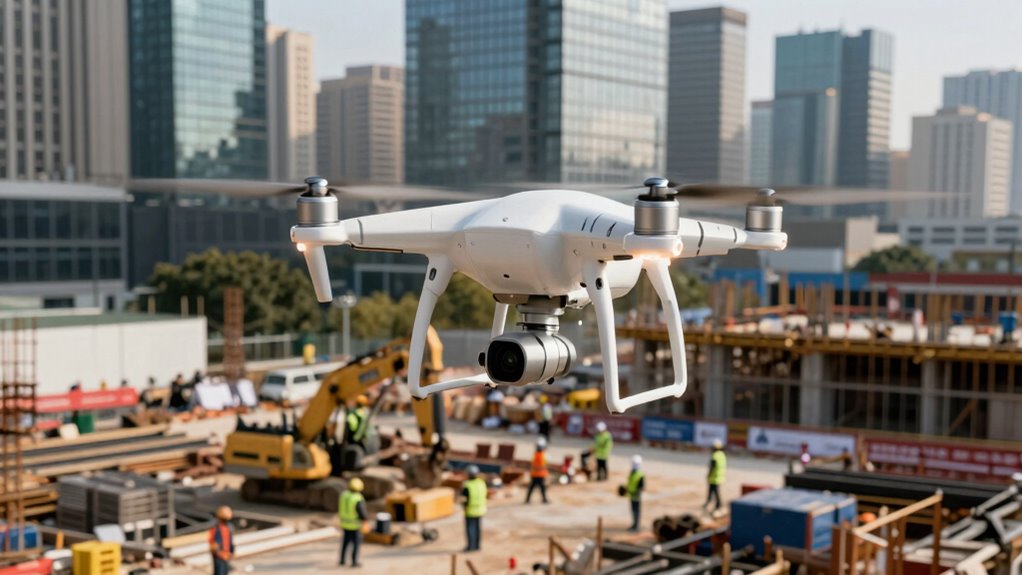
The expansion of drone use in these areas isn’t just about convenience; it’s reshaping how industries operate. If you’re a land surveyor or involved in infrastructure inspection, drones offer a safer, faster alternative to traditional methods. You can survey large properties, inspect bridges, or assess damage after natural disasters with minimal risk and time investment. The ability to deploy drones quickly and get real-time data means you can respond more effectively and make informed decisions sooner. Moreover, as regulations around drone safety and privacy continue to develop, there’s a growing emphasis on responsible use to protect both operators and the public. Additionally, as drone regulations evolve, there are increasing opportunities for civilians and businesses to leverage this technology legally and responsibly.
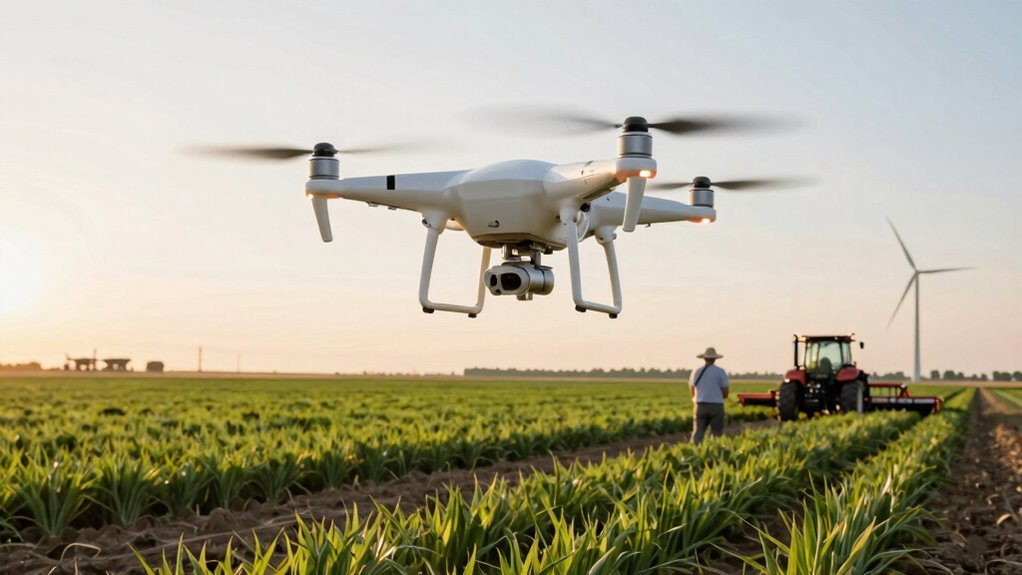
In agriculture, drones are transforming crop management by providing detailed aerial imagery that helps you identify unhealthy plants or irrigation issues early. This precision agriculture approach increases yields and reduces waste. Similarly, in emergency services, drones can deliver real-time visuals of accident sites or disaster zones, giving responders critical information before they even arrive on the scene. As drone technology becomes more accessible, it’s also expanding into civilian industries, where its ability to perform tasks efficiently and safely is revolutionizing traditional practices.

G11PRO 6K Drone with Camera for Adults, 4K/30fps Video
【𝗜𝗡 𝗦𝗘𝗔𝗥𝗖𝗛 𝗢𝗙 𝗧𝗛𝗘 𝗜𝗗𝗘𝗔𝗟 𝗙𝗟𝗜𝗚𝗛𝗧, 𝗖𝗔𝗣𝗧𝗨𝗥𝗘 𝗬𝗢𝗨𝗥 𝗔𝗘𝗥𝗜𝗔𝗟 𝗠𝗢𝗠𝗘𝗡𝗧𝗦】Are you spending more for better aerial footage or…
As an affiliate, we earn on qualifying purchases.
As an affiliate, we earn on qualifying purchases.
Frequently Asked Questions
What Are the Primary Regulatory Challenges for Civilian Drone Use?
You face primary regulatory challenges like airspace management and privacy regulations when using civilian drones. Authorities require you to coordinate flight paths to avoid conflicts with manned aircraft, ensuring safe guidance. Privacy laws restrict you from capturing images or data without consent, protecting individuals’ rights. Navigating these regulations demands careful planning, compliance, and awareness of evolving rules to operate drones legally and responsibly in civilian environments.
How Affordable Are Drones for Everyday Consumers?
Imagine capturing stunning aerial shots with a drone you bought for just a few hundred dollars—that’s how affordable drone technology has become for everyday consumers. Drone affordability varies, but entry-level models now cost between $50 and $300, making consumer accessibility much easier. For example, basic drones with high-quality cameras are widely available online, allowing hobbyists and beginners to explore drone flying without breaking the bank.
What Safety Concerns Exist With Widespread Civilian Drone Deployment?
You should be aware that widespread civilian drone use raises safety concerns like wildlife disturbance and privacy invasion. Drones can disturb animals in natural habitats or cause stress to wildlife. Additionally, they can invade people’s privacy by capturing images or videos without consent. To address these issues, regulations and responsible flying practices are essential, ensuring safety for both wildlife and individuals while enjoying the benefits of drone technology.
How Is Drone Data Security Maintained in Civilian Applications?
You can guarantee drone data security in civilian applications by implementing robust encryption protocols that protect transmitted information from unauthorized access. Additionally, prioritizing data privacy involves strict access controls and secure storage practices. Regular updates and security audits help identify vulnerabilities, while clear policies on data handling reinforce privacy standards. These measures keep your drone data safe, maintaining trust and compliance in civilian industries.
What Training Is Required for Civilians to Operate Advanced Drones?
Thinking you can just hop on an advanced drone and fly away? Think again! You need proper training, including drone maintenance skills and pilot certification, to operate these machines safely and legally. Civilian operators often undergo specialized courses covering navigation, safety protocols, and system troubleshooting. Skimping on training risks accidents, fines, and lost equipment. So, before taking to the skies, get certified and master those drone maintenance tasks—your future high-flying adventures depend on it!

Agricultural Drone Workflow Guide: Plan Crop Monitoring, Field Mapping, Irrigation Checks, and Farm Reports
As an affiliate, we earn on qualifying purchases.
As an affiliate, we earn on qualifying purchases.
Conclusion
As drone technology continues to soar into civilian industries, it’s clear that the sky’s not the limit—it’s just the beginning. Imagine a world where drones seamlessly assist in our daily lives, transforming everything from farming to emergency response. Are you ready to embrace this airborne revolution? Because, like the wind guiding these innovations, the future of drone tech is unstoppable, beckoning you to look up and envision what’s next. The horizon awaits your next move.

Air Power – Drone Strategies for Modern Infrastructure Inspection: Streamline Processes, Elevate Safety, Amplify Accuracy (How Drones Took Off in the … Leaders Are Using Them to Work Smarter)
As an affiliate, we earn on qualifying purchases.
As an affiliate, we earn on qualifying purchases.
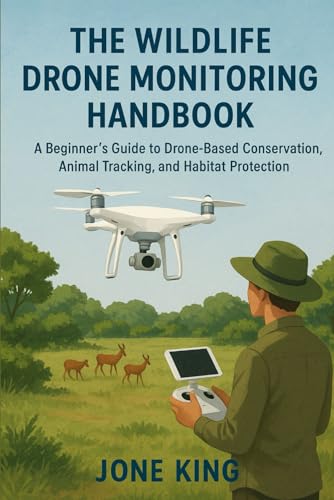
THE WILDLIFE DRONE MONITORING HANDBOOK: A Beginner’s Guide to Drone-Based Conservation, Animal Tracking, and Habitat Protection
As an affiliate, we earn on qualifying purchases.
As an affiliate, we earn on qualifying purchases.