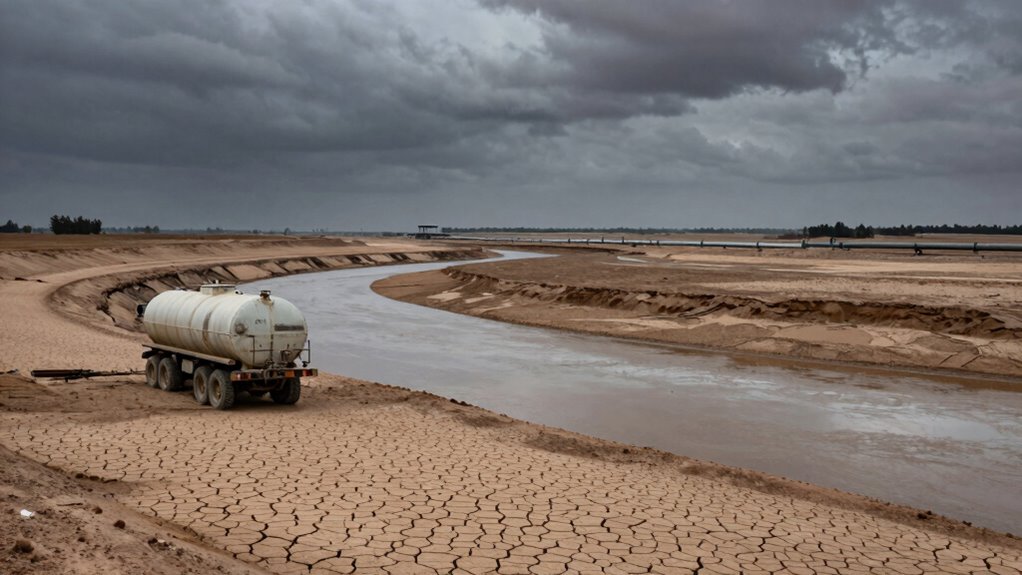

Water security is becoming a global political issue because many countries are competing over limited freshwater resources due to rising demand, population growth, and climate change. Shared water sources like transboundary rivers often spark disputes over access and control, affecting regional stability. Diplomatic solutions focus on cooperation and agreements, but political tensions remain high. If you keep exploring, you’ll discover how international efforts aim to address these challenges and promote peaceful management.

Get everyday essentials delivered free with Prime
- Fast, free delivery on millions of items
- Prime Video, Amazon Music and more included
- Member-only deals all year
Key Takeaways
- Increasing water scarcity and climate change threaten global stability, making water security a critical geopolitical concern.
- Transboundary water disputes over shared resources heighten regional tensions and require diplomatic resolution.
- Water access influences national sovereignty, economic stability, and regional security, elevating its political significance.
- International water management and cooperation are vital to prevent conflicts and promote sustainable development.
- Effective water governance and proactive diplomacy are essential to address emerging water security challenges globally.
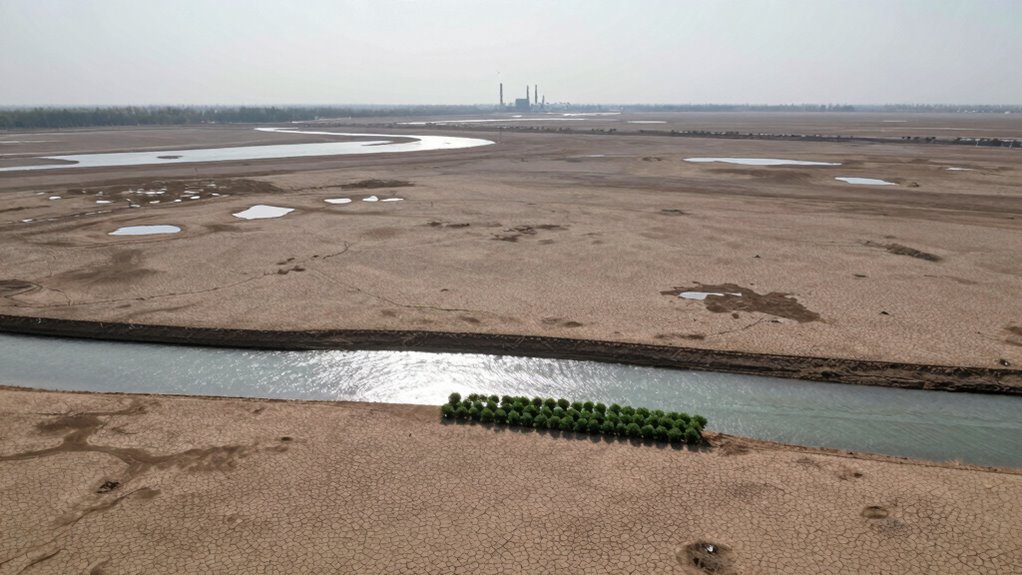
Have you ever wondered why water security has become a pressing global political issue? The answer lies in the increasing scarcity of freshwater resources and the geopolitical tensions that come with it. Many rivers, lakes, and aquifers cross national borders, creating complex situations known as transboundary disputes. When countries share water sources, access and control become contentious topics, especially as populations grow and climate change reduces overall water availability. In these cases, water isn’t just about survival; it’s a matter of sovereignty, economic stability, and regional security. These disputes can escalate quickly, threatening diplomatic relations and sometimes leading to conflicts. That’s where water diplomacy comes into play—an approach aimed at fostering cooperation and peaceful solutions among nations sharing water resources. It involves negotiations, treaties, and joint management frameworks designed to prevent disputes from spiraling into violence or prolonged disagreements. Water diplomacy emphasizes building trust and understanding, recognizing that cooperation often benefits all parties more than conflict. International organizations and regional bodies are increasingly involved, mediating disputes and encouraging collaborative projects like shared dam management or joint water monitoring. But even with these efforts, tensions persist, especially in regions where water is already scarce or where political relations are strained. For instance, the Nile Basin and the Tigris-Euphrates are hot spots where transboundary disputes are ongoing, and tensions often hinge on water rights and access. Countries in these regions face tough choices—whether to prioritize their immediate needs or to work together for long-term stability. As water becomes more limited due to climate change, the urgency for effective water diplomacy grows. Nations are realizing that cooperation isn’t just ideal; it’s essential for avoiding conflicts and ensuring equitable access. Additionally, the interdependence of water resources highlights how interconnected regional stability is with water management. This interconnectedness underscores the importance of comprehensive water governance in addressing these multifaceted challenges. The challenge is balancing national interests with regional needs, especially when resources are under threat. This makes water security a highly sensitive issue in international politics. You can see how water isn’t just an environmental concern but a strategic one, influencing diplomatic relations and regional stability. Governments and international bodies are increasingly aware of the importance of proactive diplomacy, aiming to resolve disputes before they escalate. Recognizing the importance of water management is crucial for fostering sustainable peace and development in vulnerable regions. Moreover, understanding the complexity of transboundary water issues underscores the need for comprehensive and adaptive solutions. Ensuring effective water governance is key to addressing the complex challenges posed by water scarcity and political tensions. In the end, securing water isn’t just about managing resources; it’s about managing relationships and fostering peace in a world where water access is becoming more contested every day.
As an affiliate, we earn on qualifying purchases.
Frequently Asked Questions
How Does Water Scarcity Impact International Relations?
Water scarcity impacts international relations by prompting nations to engage in water diplomacy to manage shared resources effectively. You might find countries negotiating treaties to allocate water fairly, reducing potential conflicts. Limited resources force governments to prioritize resource allocation, sometimes leading to tensions or cooperation. Recognizing water’s importance, nations increasingly see diplomatic efforts as essential for ensuring access, stability, and peace in water-scarce regions.
What Role Do Climate Change Policies Play in Water Security?
Climate change policies play a vital role in water security by promoting climate adaptation and encouraging policy integration. When you support these policies, you help guarantee water resources are managed sustainably amidst changing weather patterns. Effective climate adaptation strategies and integrated policies help reduce water scarcity risks, protect ecosystems, and foster international cooperation. Your involvement in advocating for such policies makes a tangible difference toward building resilient water systems globally.
Which Countries Are Most at Risk of Water Conflicts?
You should know that countries most at risk of water conflicts include those with transboundary disputes over shared water resources, like the Nile Basin nations, India and Pakistan, and parts of the Middle East. In these regions, water diplomacy becomes essential to prevent tensions. Recognizing the importance of cooperative water management can help reduce conflict risks and promote peaceful solutions, especially as water scarcity worsens due to climate change.
How Can Technology Improve Global Water Management?
Imagine technology as a lighthouse guiding us through stormy waters—this is how it can improve global water management. You can harness tech innovations for water conservation, like smart sensors and data analytics, to detect leaks and optimize usage. These tools symbolize hope, helping communities manage scarce resources efficiently, prevent conflicts, and guarantee everyone has access to clean water. Embracing these innovations transforms challenges into opportunities for sustainable water security worldwide.
What Are the Economic Costs of Water Insecurity?
You’ll face significant economic costs from water insecurity, including increased healthcare expenses due to waterborne diseases and reduced agricultural productivity. Water pricing strategies can help manage demand and fund infrastructure investment, but inconsistent access leads to higher costs for communities and governments. Failing to address these issues results in economic losses, hampering development and straining resources, ultimately undermining both local and global stability.
As an affiliate, we earn on qualifying purchases.
Conclusion
You now stand at a crossroads where water security shapes nations’ fates, much like the great empires of old. As history has shown, neglecting this essential resource can lead to chaos and conflict. In this modern age, water isn’t just a commodity but a political battleground. Remember, the future of water security depends on your awareness and action—lest we repeat the mistakes of the past and find ourselves in a dystopian Aquaman’s nightmare.
As an affiliate, we earn on qualifying purchases.
As an affiliate, we earn on qualifying purchases.
Halloween Picks
halloween
As an affiliate, we earn on qualifying purchases.