
In 2025, UN peacekeeping missions face complex challenges like evolving mandates that demand agility and strategic focus, often amid limited resources. Rapid troop deployment is hindered by bureaucratic delays, while maintaining troop safety in volatile zones remains tough. Overstretching forces reduces effectiveness, especially as conflicts grow more complicated. To succeed, peacekeepers need better coordination, flexible strategies, and sustained support. Stay with us to discover how these challenges are shaping future peace operations and what solutions are emerging.
Key Takeaways
- Evolving mandates increase complexity, requiring flexible strategies amid limited resources and shifting political landscapes.
- Rapid troop deployment faces bureaucratic, financial, and political delays, reducing mission effectiveness.
- Ensuring troop safety and sustainability in volatile environments remains a critical challenge.
- Overstretch and inadequate planning compromise peacekeeping effectiveness and heighten operational risks.
- Strategic reforms and international coordination are essential to address capacity gaps and improve crisis response.
What are the biggest hurdles facing UN peacekeeping missions in 2025? One of the most significant challenges is adapting to the ongoing mandate evolution. Over the years, the scope of peacekeeping has expanded beyond traditional ceasefire monitoring to include complex tasks like protecting civilians, supporting political processes, and countering non-state armed groups. This shift demands that you, as a peacekeeper, operate under increasingly multifaceted mandates, which often come with limited resources and unclear priorities. Balancing these evolving responsibilities while maintaining clarity and focus can be overwhelming. Furthermore, the mandates are frequently shaped by political negotiations among member states, leading to inconsistencies that complicate on-the-ground implementation. You might find yourself steering a constantly shifting landscape, where operational objectives are in flux and the expectations are high. This mandate evolution requires agility, strategic thinking, and a clear understanding of your limited capacities.
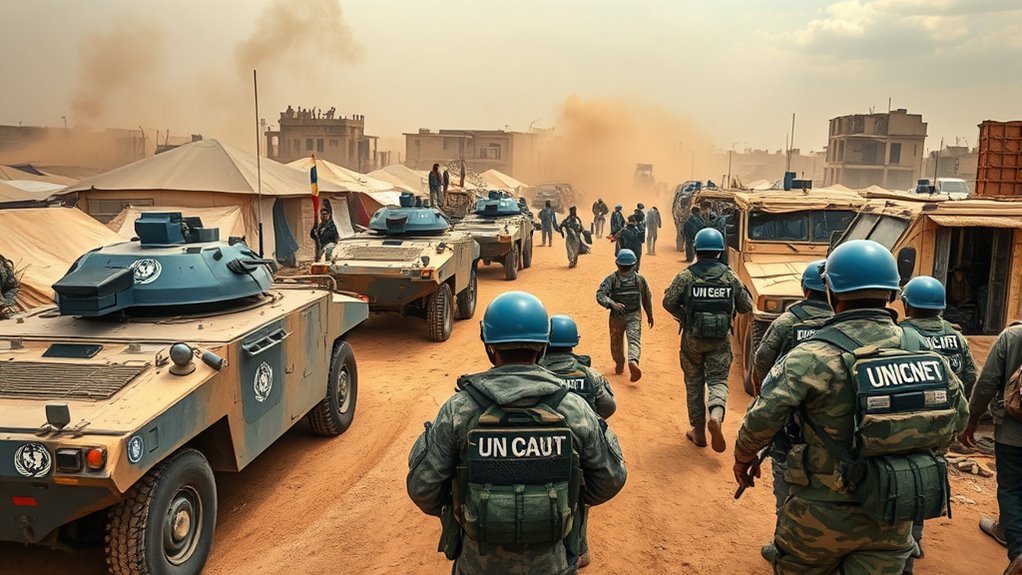
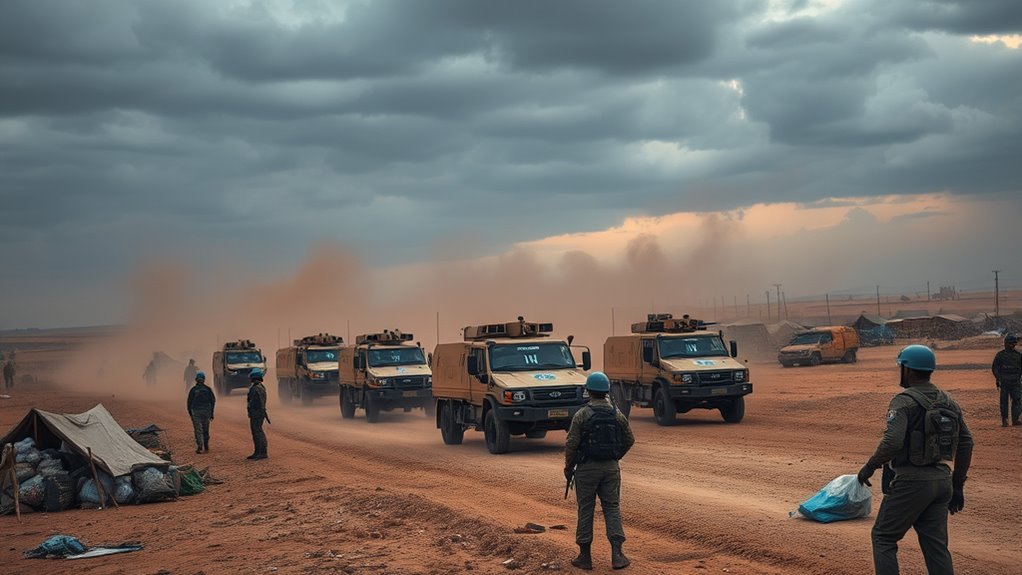
Another critical hurdle you face is troop deployment. Deploying peacekeeping troops swiftly and effectively remains a logistical nightmare. You’re often asked to mobilize personnel and equipment rapidly to respond to emerging crises, yet bureaucratic red tape, funding constraints, and political considerations slow down this process. When troop deployment is delayed, the window for effective intervention narrows, and the mission’s credibility suffers. Additionally, you have to contend with uneven troop contributions from member states, leading to disparities in capabilities and readiness. The question of force protection also looms large; deploying troops to volatile environments raises serious safety concerns. You need adequate training, equipment, and support to guarantee your safety and that of the civilians you’re tasked with protecting. The challenge is not just in getting troops on the ground but also in sustaining long-term peace efforts amid fluctuating political will and resource availability.
Furthermore, deployment strategies must be carefully managed to avoid overstretching your force. Overextension can compromise mission effectiveness and increase risks. As conflicts grow more complex, you’re required to adapt quickly, often with limited guidance and resources. The difficulty lies in balancing rapid deployment with thoughtful planning, ensuring that peacekeepers are properly equipped, trained, and supported. The realities of troop deployment in 2025 demand a streamlined, flexible approach—one that can respond swiftly to crises while maintaining the integrity of the mission. Ultimately, these hurdles—mandate evolution and troop deployment—highlight the need for ongoing reforms, better coordination, and more robust international support if peacekeeping efforts are to succeed in an increasingly challenging global landscape.
Frequently Asked Questions
How Will UN Peacekeepers Adapt to Technological Advancements by 2025?
You’ll see UN peacekeepers adopting AI integration to improve decision-making and operational efficiency. They’ll also implement stronger cybersecurity measures to protect sensitive data against cyber threats. By training personnel on new technologies and fostering collaboration with tech experts, you’ll help guarantee peacekeeping missions stay ahead of evolving threats. This proactive approach enables peacekeepers to respond more swiftly and effectively, maintaining peace and security in complex, digital landscapes.
What Measures Are in Place to Ensure Safety of Peacekeepers in Volatile Regions?
You’re protected through strict safety protocols and proactive risk mitigation strategies. The UN equips peacekeepers with advanced training, real-time intelligence, and secure communication tools. Regular safety assessments identify potential threats, allowing for swift adjustments. When volatile regions escalate, peacekeepers follow clear procedures, such as evacuation plans and enhanced security measures. These measures work together to guarantee your safety, helping you focus on your mission despite unpredictable challenges.
How Does the UN Coordinate With Regional Organizations During Missions?
Imagine the UN as the ultimate party planner, juggling regional collaboration and strategic planning, all while coordinating with local hosts. You’ll find that they team up with regional organizations by sharing intel, aligning goals, and creating joint operations. This seamless dance guarantees resources are used wisely, and efforts don’t step on each other’s toes. In this way, the UN and regional bodies work hand in glove, making peacekeeping more effective and less like herding cats.
What Funding Challenges Threaten the Sustainability of Peacekeeping Efforts?
Funding shortages threaten the sustainability of peacekeeping efforts by limiting resources and hindering operational capacity. You might find that inadequate financial support leads to inefficient resource allocation, which compromises mission effectiveness. To address this, you need to advocate for increased funding commitments and better resource management from member states, ensuring peacekeepers have the necessary tools and resources to fulfill their mandate effectively and maintain stability in conflict zones.
How Are Local Communities Involved in Peacekeeping Strategies?
You directly involve local communities in peacekeeping strategies through active community engagement and strengthening local governance. By listening to their needs and incorporating their insights, you foster trust and cooperation. This participatory approach guarantees peace initiatives are culturally sensitive and sustainable. Your efforts empower local leaders, enabling them to take ownership of peacebuilding, which ultimately enhances the effectiveness of peacekeeping missions and promotes long-term stability in conflict-affected areas.
Conclusion
As you face the future of peacekeeping, remember it’s like steering a stormy sea—you need a steady hand and adaptable strategies. In 2025, UN missions will confront complex crises, much like sailors battling unpredictable waves. Your resilience and innovation are essential to steer through these turbulent waters. Just as a lighthouse guides ships safely home, your commitment and creativity will illuminate the path toward peace amidst ongoing challenges. Stay determined, and progress is possible.

Elena’s passion for the arts and culture shines through in her vivid reporting. From film festivals to gallery openings, her coverage is an essential source for anyone interested in the latest cultural trends and artistic movements.