
TL;DR

Get everyday essentials delivered free with Prime
- Fast, free delivery on millions of items
- Prime Video, Amazon Music and more included
- Member-only deals all year
The UK’s crackdown on online anonymity has prompted US lawmakers to consider similar legislation. This development raises questions about privacy rights and free expression in America. The move signals a shift in how governments approach anonymity online.
The United Kingdom’s recent legislative efforts to restrict online anonymity are now influencing policy discussions in the United States, marking a significant shift in how governments regulate digital privacy and free speech. This development comes amid growing concerns over anonymous online harassment and misinformation, prompting US lawmakers to consider similar measures.
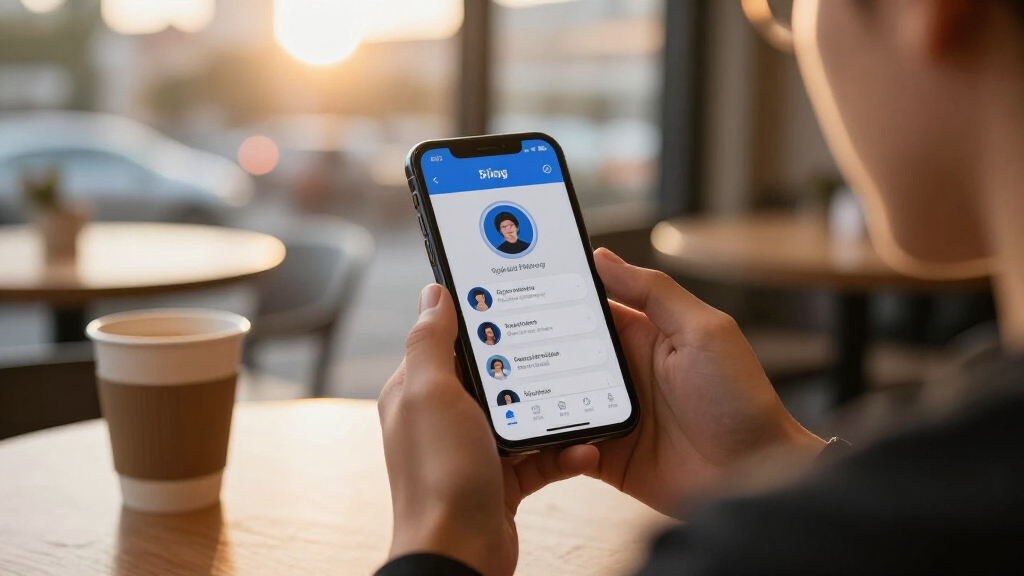
In the UK, new laws have been introduced that require online platforms to verify user identities, aiming to reduce anonymous abuse and illegal content. These measures have sparked debates over privacy rights and government overreach. According to officials, the UK government believes that increased accountability will improve online safety.
Now, US legislators are discussing comparable legislation. Several members of Congress have proposed bills that would mandate identity verification for certain online activities, particularly on social media platforms. The discussions are still in early stages, and there is no enacted federal law yet.
Experts warn that such policies could lead to increased surveillance and diminish privacy protections. Civil liberties organizations have expressed concern that these measures could set a precedent for broader government control over online identities.
Implications for Privacy and Free Speech in the US
This expansion of UK-style anti-anonymity laws into the US raises important questions about balancing online safety with individual privacy rights. If implemented, these measures could alter how Americans communicate online, potentially reducing anonymity that is often used for free expression, whistleblowing, and political activism. Civil liberties advocates warn that such laws might lead to increased government surveillance and censorship.
As an affiliate, we earn on qualifying purchases.
UK’s Legislation Sparks International Policy Shifts
The UK introduced legislation in late 2023 aimed at cracking down on anonymous online content, citing concerns over hate speech, harassment, and illegal activity. The laws require platforms to verify user identities, which critics argue could infringe on privacy rights. The UK’s move has prompted discussions among US lawmakers, with some proposing similar bills in early 2024. Historically, the US has prioritized free speech protections, but recent incidents involving online harassment have reignited debates over anonymity.
As an affiliate, we earn on qualifying purchases.
Unclear Impact on US Privacy Protections
It remains uncertain whether the US will pass legislation with similar scope or enforceability. There are ongoing debates among lawmakers, privacy groups, and tech companies about the potential legal and societal consequences. It is also unclear how such laws would be implemented and enforced at the federal level, and what safeguards might be included to protect civil liberties.
As an affiliate, we earn on qualifying purchases.
Next Steps in US Legislative and Public Discourse
US lawmakers are expected to hold hearings and debates over proposed bills related to online identity verification in the coming months. Civil liberties organizations plan to challenge any legislation perceived as infringing on privacy rights. Meanwhile, tech companies are preparing for increased regulatory scrutiny and potential compliance requirements. The issue is likely to remain a prominent topic in digital policy discussions through 2024.
digital identity verification services
As an affiliate, we earn on qualifying purchases.
As an affiliate, we earn on qualifying purchases.
Key Questions
Could the US pass laws similar to the UK’s anti-anonymity legislation?
Yes, several bills are currently under discussion in Congress that aim to require identity verification for online platforms, but none have been enacted into law yet.
What are the main concerns about implementing such laws in the US?
Privacy advocates warn that these laws could lead to increased government surveillance, reduce free speech, and undermine civil liberties.
How might these laws affect everyday internet users?
If implemented, users might be required to verify their identities to participate in online discussions, which could discourage anonymous speech and impact privacy protections.
What is the position of tech companies on these proposals?
Many tech companies express concern over privacy and free expression, though some support measures that promote accountability, provided safeguards are in place.
Source: hn
Columbus Day / Indigenous Peoples' Day Picks
long weekend sales
As an affiliate, we earn on qualifying purchases.