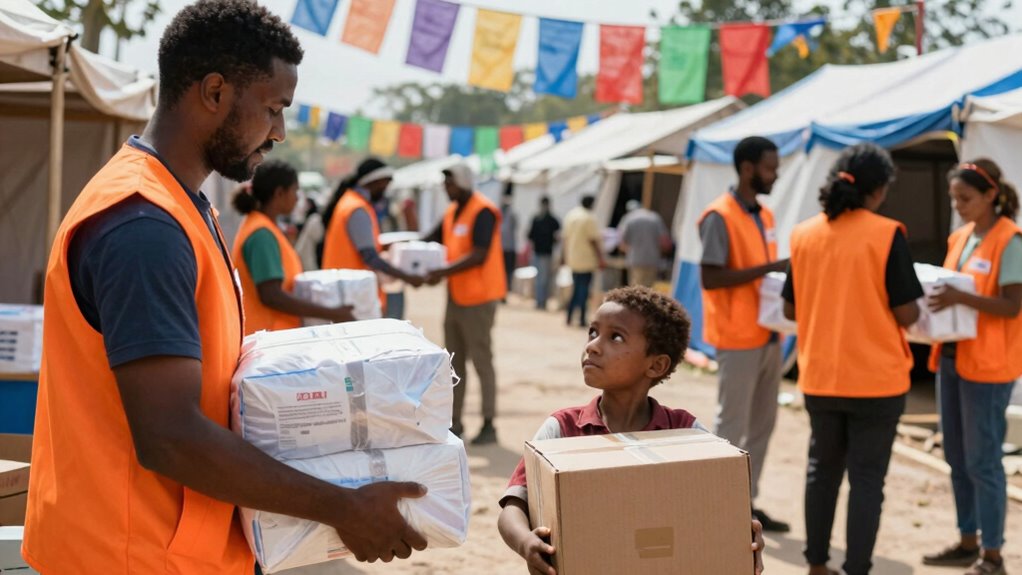

International aid influences a country just as much as it offers relief by shaping its sovereignty, cultural identity, and development goals. When aid comes with conditions, you might find your government pressured to follow donor interests, which can limit independence. Cultural norms may shift as foreign programs introduce new customs, sometimes eroding local traditions. These impacts highlight the complex power of aid beyond immediate help—continuing to explore reveals how deeply aid can alter a nation’s core.

Get everyday essentials delivered free with Prime
- Fast, free delivery on millions of items
- Prime Video, Amazon Music and more included
- Member-only deals all year
Key Takeaways
- International aid often comes with conditions that influence recipient countries’ policies and sovereignty.
- Aid can alter cultural practices, leading to societal changes and potential erosion of traditional identities.
- Development metrics prioritized by aid may overshadow local values and social cohesion.
- External assistance fosters cultural exchange but risks homogenizing diverse traditions.
- Well-meaning aid can unintentionally undermine political independence and cultural integrity.
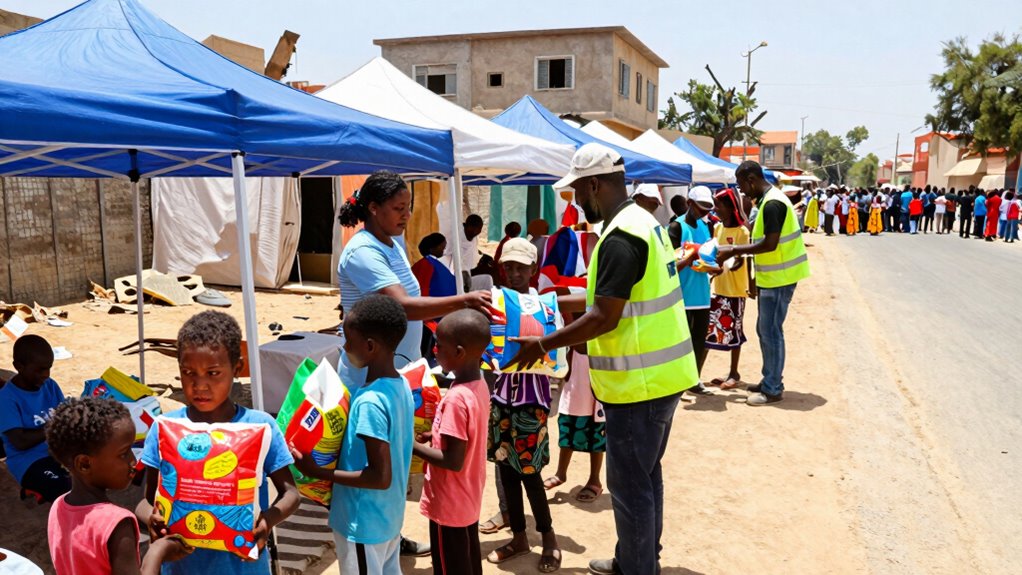
Have you ever wondered how international aid shapes the development of nations? It’s not just about providing immediate relief; it’s also about the subtle ways aid influences sovereignty and cultural identity. When countries accept aid, they often face sovereignty challenges, as external donors sometimes impose conditions or expectations that can limit a nation’s autonomy. You might see governments feeling pressured to adopt policies aligned with donor interests, which can undermine their ability to make independent decisions. This dynamic creates a delicate balance—while aid can bolster economic growth or health outcomes, it can also inadvertently erode a country’s control over its own affairs. Recognizing this, many nations become cautious about how aid is structured and administered, aware that too much reliance might diminish their sovereignty over time.
Beyond sovereignty challenges, aid’s cultural impacts are equally significant. When aid comes with strings attached—such as promoting specific development models or encouraging certain social behaviors—it can alter local traditions and societal norms. For example, introducing foreign education programs or health initiatives might unintentionally sideline indigenous practices or beliefs. You may notice communities adopting new customs that, while beneficial in some respects, could also lead to the erosion of unique cultural identities. This influence isn’t always negative, but it raises essential questions about respecting local traditions versus implementing externally driven solutions. As aid programs become more globalized, there’s a risk that cultural differences get overshadowed by a one-size-fits-all approach, which can cause friction or resistance among local populations. Additionally, the cultural impact of aid can sometimes lead to a loss of traditional knowledge that has been passed down through generations, emphasizing the importance of culturally sensitive development efforts. Understanding the cultural dynamics involved helps ensure that aid initiatives support sustainable and respectful development. It’s also crucial to consider how aid’s perception of progress can sometimes overshadow the importance of maintaining cultural integrity. Furthermore, the cultural exchange facilitated by aid initiatives can sometimes foster mutual understanding, but if not managed carefully, it may also contribute to cultural homogenization.
Aid can reshape local traditions, risking cultural erosion through externally driven solutions and a one-size-fits-all approach.
Furthermore, the influence of aid extends into shaping perceptions of development and progress. When external actors prioritize certain metrics—like GDP growth or health statistics—they might overlook the importance of cultural values or social cohesion. You might see a community improve on paper, but feel that the authentic social fabric has been compromised. This highlights how aid, while essential for addressing immediate needs, can also redefine what a successful or “modern” society looks like, sometimes at the expense of traditional ways of life. The challenge lies in designing aid initiatives that respect sovereignty and cultural identity while still delivering meaningful development.
In the end, aid’s influence isn’t just about providing resources; it’s about steering complex political and cultural terrains. You should be aware that well-intentioned efforts can have unintended consequences, shaping a nation’s sovereignty and cultural landscape in profound ways. Understanding this dual impact helps you see international aid not just as charity but as a powerful force that molds the very identity and independence of nations.
cultural sensitivity training books
As an affiliate, we earn on qualifying purchases.
As an affiliate, we earn on qualifying purchases.
Frequently Asked Questions
How Do Recipient Countries Influence International Aid Priorities?
You influence international aid priorities through your country’s cultural considerations and economic dependencies. By sharing your cultural values and needs, you shape donor perceptions and focus areas. Additionally, if your country relies heavily on aid for economic stability, donors may prioritize projects that support your economy. Your advocacy and diplomatic engagement help guarantee aid aligns with your national interests, making your country’s influence as significant as the aid itself.
What Role Do Private Donors Play in Shaping Aid Influence?
You might be surprised to learn that private donors contribute over 70% of international aid funding, giving them significant influence. Their private funding often aligns with their personal or organizational donor agendas, shaping aid priorities more than governments do. This influence means that private donors can steer aid efforts toward issues they care about, impacting global development strategies and sometimes creating a shift away from recipient countries’ most urgent needs.
How Does Aid Impact Local Governance and Political Stability?
Aid can influence local governance by shaping policies and priorities, sometimes undermining cultural sovereignty and policy autonomy. When governments rely heavily on international support, they may adopt donor-driven agendas, reducing their independence. This can lead to weakened political stability, as local populations feel disconnected from decision-making processes. To avoid this, aid should prioritize empowering local leaders, respecting cultural sovereignty, and fostering autonomous governance that reflects the community’s needs.
Are There Ethical Concerns Regarding Aid-Driven Influence?
Yes, there are ethical concerns regarding aid-driven influence. Around 60% of aid recipients worry about losing cultural identity and sovereignty due to external pressures. When aid isn’t culturally sensitive, it can undermine local customs and authority, risking dependency. Preserving sovereignty should remain a priority, ensuring aid supports, rather than overrides, local decision-making, respecting communities’ autonomy while addressing their needs ethically.
How Do International Organizations Ensure Aid Effectiveness?
You can guarantee aid effectiveness by promoting donor transparency, which helps prevent aid dependency and ensures resources reach those who need them most. International organizations implement rigorous monitoring and evaluation processes, set clear objectives, and involve local communities to foster accountability. By maintaining transparency and accountability, they build trust and maximize the impact of aid, making a meaningful difference in the communities they serve.
sovereignty awareness educational materials
As an affiliate, we earn on qualifying purchases.
As an affiliate, we earn on qualifying purchases.
Conclusion
Think of international aid as a delicate garden hose—your help waters the roots of change, shaping influence just as much as providing relief. When you understand how your support flows through communities, you become part of a powerful current that cultivates growth and resilience. Every act of aid isn’t just a drop in the bucket; it’s an essential stream shaping a brighter future. Your involvement helps steer this river toward lasting impact.
development aid impact documentaries
As an affiliate, we earn on qualifying purchases.
As an affiliate, we earn on qualifying purchases.
As an affiliate, we earn on qualifying purchases.
Halloween Picks
halloween
As an affiliate, we earn on qualifying purchases.