
In 2025, biotech breakthroughs will revolutionize medicine and biology. CRISPR precision therapies will correct genetic issues with minimal risks, and cloning tech will create personalized tissues and organs for transplants. Regenerative medicine will repair tissues and revive damaged organs faster. Ethical debates will shape regulations, but innovations will push forward boundaries. If you continue exploring, you’ll discover how these advances could change your understanding of health, identity, and what’s possible in life sciences.
Key Takeaways
- CRISPR gene editing will achieve higher precision, enabling routine correction of genetic disorders with minimal off-target effects.
- Lab-grown, personalized organs and tissues will become commonplace, reducing transplant wait times and rejection risks.
- Cloning and cellular reprogramming will advance, facilitating tailored tissue regeneration and innovative therapeutic options.
- Ethical frameworks will evolve to address new challenges in cloning, gene editing, and bioengineering applications.
- Bioinformatics will play a critical role in accelerating discoveries and developing personalized biotech treatments in 2025.
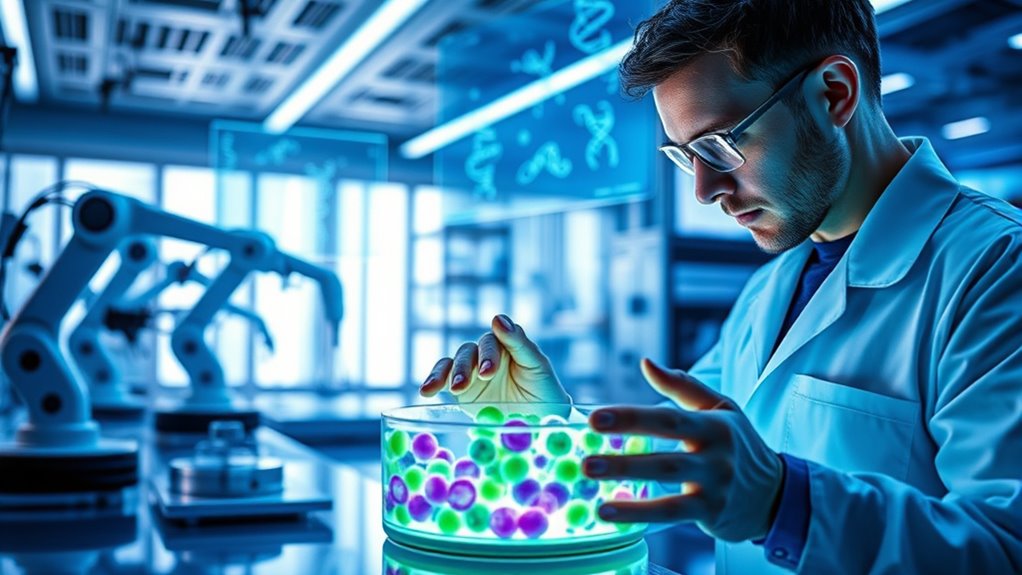
What will biotech look like in 2025? It’s a question that sparks excitement and curiosity, especially as rapid advances continue to reshape medicine and biology. By then, you’ll see gene therapy becoming more refined and accessible, transforming how we treat genetic disorders. Instead of waiting for symptoms to appear, early intervention will be common, thanks to breakthroughs in bioinformatics. These digital tools will help you analyze vast amounts of genetic data quickly, pinpointing mutations or variations that cause disease. Bioinformatics will streamline the development of personalized treatments, making it easier to design gene therapies tailored specifically to an individual’s genetic makeup. This means you won’t just be treating symptoms; you’ll be addressing the root causes at the DNA level.
In 2025, gene editing technologies like CRISPR will be more precise and widely used. You might not even notice it happening, but your healthcare provider could routinely use CRISPR-based therapies to correct genetic defects or enhance certain traits. The technology will have advanced beyond its initial applications, reducing off-target effects and increasing safety. As a result, gene therapy will become a standard option for a broad range of conditions, from inherited disorders to certain cancers. Researchers will also develop innovative ways to deliver these therapies, such as using viral vectors or lipid nanoparticles, making treatments more effective and less invasive.
Cloning and regenerative biology will also see significant progress. You could see lab-grown organs becoming more common, reducing transplant waiting times and eliminating compatibility issues. Cloning techniques might be refined enough to produce tissue tailored to individual patients, minimizing rejection risks. This progress will be driven by a deeper understanding of cellular reprogramming and stem cell technology, enabling scientists to revive or replace damaged tissues with precision. The ethical landscape will continue to evolve, but the potential for creating a new frontier in medicine will be undeniable. Additionally, advances in bioinformatics will accelerate the analysis of complex biological data, further supporting these innovations.

DIY Bacterial Genome Engineering CRISPR Kit
All-In-One kit, you don't need anything else but water and a microwave
As an affiliate, we earn on qualifying purchases.
As an affiliate, we earn on qualifying purchases.
Frequently Asked Questions
How Will Biotech Regulations Evolve by 2025?
By 2025, you’ll see biotech regulations adapt to keep pace with advances in synthetic biology and personalized medicine. Authorities will likely tighten safety standards for gene editing and cloning while fostering innovation. Expect more streamlined approval processes for tailored therapies, but also increased oversight to prevent misuse. You’ll need to stay informed, as evolving regulations aim to balance rapid progress with ethical considerations and public health protections.
What Ethical Concerns Surround Advanced Cloning Techniques?
Cloning ethics weigh heavily on your mind, like a storm threatening calm seas. You might worry about identity concerns, wondering if clones are truly individuals or mere copies. Ethical debates focus on the morality of creating life artificially, potential exploitation, and loss of uniqueness. These concerns challenge your sense of morality, reminding you that advancing technology must be balanced with respecting human dignity and the intrinsic value of every life.
Will CRISPR Be Accessible to Developing Countries?
CRISPR will likely become more accessible to developing countries, but accessibility barriers remain. You might face challenges like high costs, limited infrastructure, and regulatory hurdles. However, international collaborations are working to bridge these gaps by sharing knowledge, resources, and technology. If these efforts succeed, you’ll see broader use of CRISPR worldwide, helping address health, agriculture, and environmental issues in developing regions.
How Might Biotech Impact Global Food Security?
Biotech could boost global food security considerably, with studies showing genetically resistant crops can increase yields by up to 20%. You’ll see more resilient crops that withstand pests and climate change, ensuring steady food supplies. This technology promotes crop resilience, reducing hunger and dependency on imports. As a result, communities become more self-sufficient, and farmers can harvest more reliable, nutritious food, making a real difference worldwide.
What Are the Potential Risks of Gene Editing in Humans?
You should be aware that gene editing in humans carries risks like off-target effects, where unintended mutations occur, possibly causing health issues. Germline modifications, which pass changes to future generations, raise ethical concerns and could lead to unforeseen genetic problems. These risks underscore the need for strict regulation and careful consideration before advancing human gene editing to ensure safety and ethical integrity.
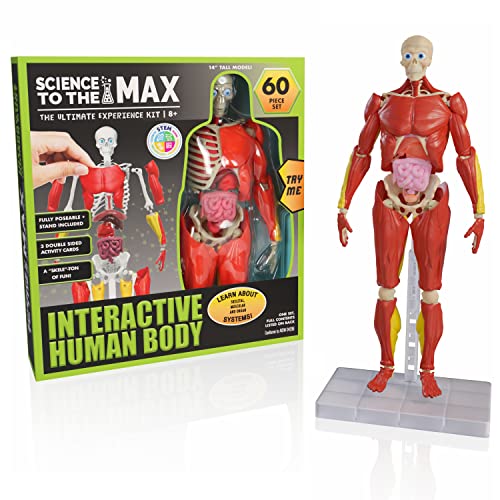
Be Amazing! Toys Interactive Human Body – 60 Piece Fully Poseable Anatomy Figure – 14” Tall Model – Anatomy Kit – Removable Muscles, Organs,Bones STEM Toy – Ages 8+
FULLY EQUIPPED 3D BODY PUZZLE – The Interactive Human Body is a 14" Tall, Fully Articulated and Posable…
As an affiliate, we earn on qualifying purchases.
As an affiliate, we earn on qualifying purchases.
Conclusion
By 2025, biotech will feel like you’re holding a powerful, yet delicate, compass guiding us through uncharted biological territories. Imagine a scientist carefully adjusting a tiny, intricate switch—each tweak revealing new possibilities, from curing diseases to cloning. Just as a master chef perfects a recipe, you’ll witness innovations that transform medicine and life itself. Embrace this journey, knowing that every breakthrough is a step closer to rewriting the story of life, one discovery at a time.

Plant Cloning Machine – Deluxe 21-Site Bucket Cloner Kit by PowerGrow Systems
Easily clone your plants and cuttings with the PowerGrow Bucket Cloning System ✅
As an affiliate, we earn on qualifying purchases.
As an affiliate, we earn on qualifying purchases.

COACO Personalized Tissue Paper, Your Custom Design, Logo, or Text, Great for Holiday or Special Occasion, Small Business Packaging or Gift Wrapping, 30, 50, or 100 Count, White (18"x15")
PERSONALIZE YOUR BRAND EXPERIENCE: Elevate your packaging and gifts, making it enjoyable for customers, friends, and family to…
As an affiliate, we earn on qualifying purchases.
As an affiliate, we earn on qualifying purchases.

Elena’s passion for the arts and culture shines through in her vivid reporting. From film festivals to gallery openings, her coverage is an essential source for anyone interested in the latest cultural trends and artistic movements.