

Get everyday essentials delivered free with Prime
- Fast, free delivery on millions of items
- Prime Video, Amazon Music and more included
- Member-only deals all year
Transforming Healthcare Delivery
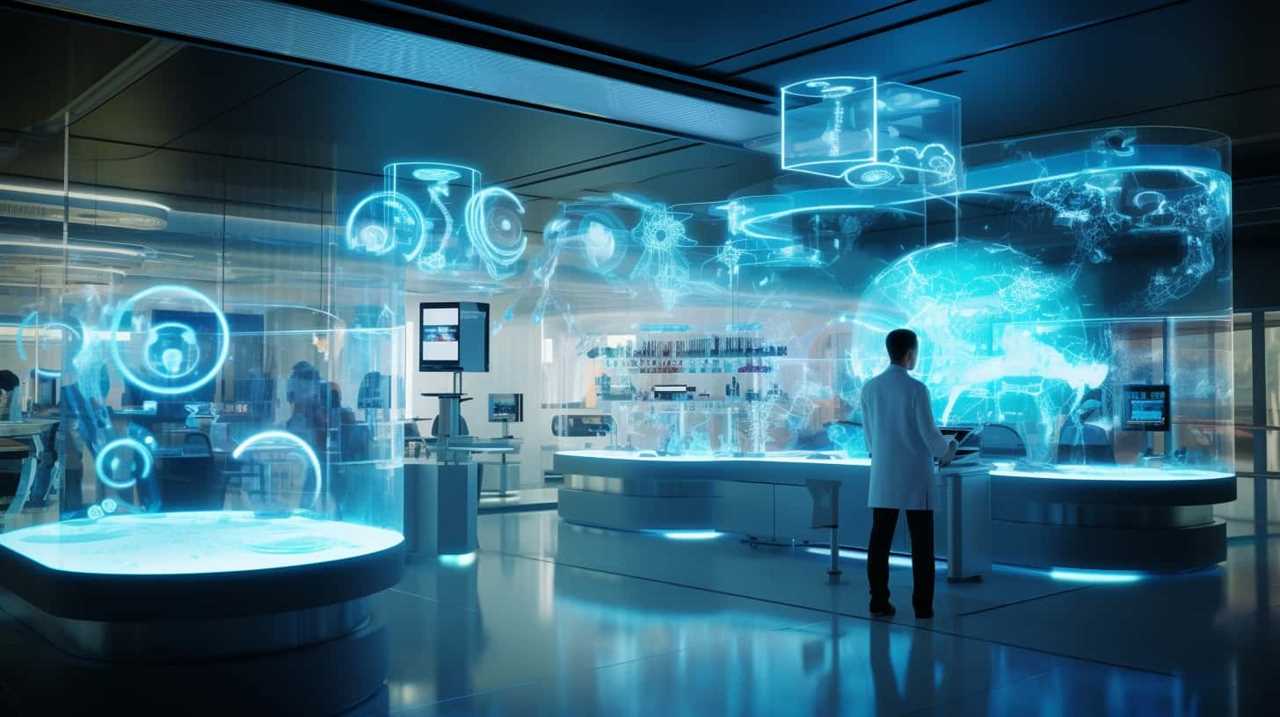
With enhanced detection and early diagnosis, improved accuracy in complex conditions, and efficient triage and prioritization of patients, medical imaging AI is reshaping the future of healthcare. By streamlining workflow and reducing turnaround time, this innovative technology empowers radiologists to provide more accurate and timely diagnoses.
Popular right now

Apple AirPods Pro 3 Wireless Earbuds with Active Noise Cancellation

Samsung 43-Inch M70H Series 4K Mini LED Smart TV (2026)

Hisense E6SR Series 55-Inch 4K UHD Hi-QLED Roku Smart TV
As an affiliate, we earn on qualifying purchases.
Enhancing Detection and Diagnosis
Medical imaging AI revolutionizes the accuracy of detection and diagnosis by analyzing vast amounts of data with unparalleled speed and precision. This technology enables healthcare professionals to identify abnormalities and potential diseases in their early stages, leading to timely interventions and improved patient outcomes.
Improving Patient Care
With advancements in medical imaging AI, healthcare providers can achieve more efficient patient management, leading to improved patient outcomes and better overall healthcare delivery. By optimizing workflow and reducing turnaround time, this technology paves the way for a future of more precise and effective medical diagnoses.
Empowering Radiologists with Advanced Tools
Advanced diagnostic tools empowered by medical imaging AI enable radiologists to enhance their accuracy and efficiency in medical imaging diagnosis. By leveraging AI algorithms, radiologists can make more informed decisions, reduce the risk of human error, and prioritize cases effectively, ultimately improving patient care.
Revolutionizing Healthcare with AI
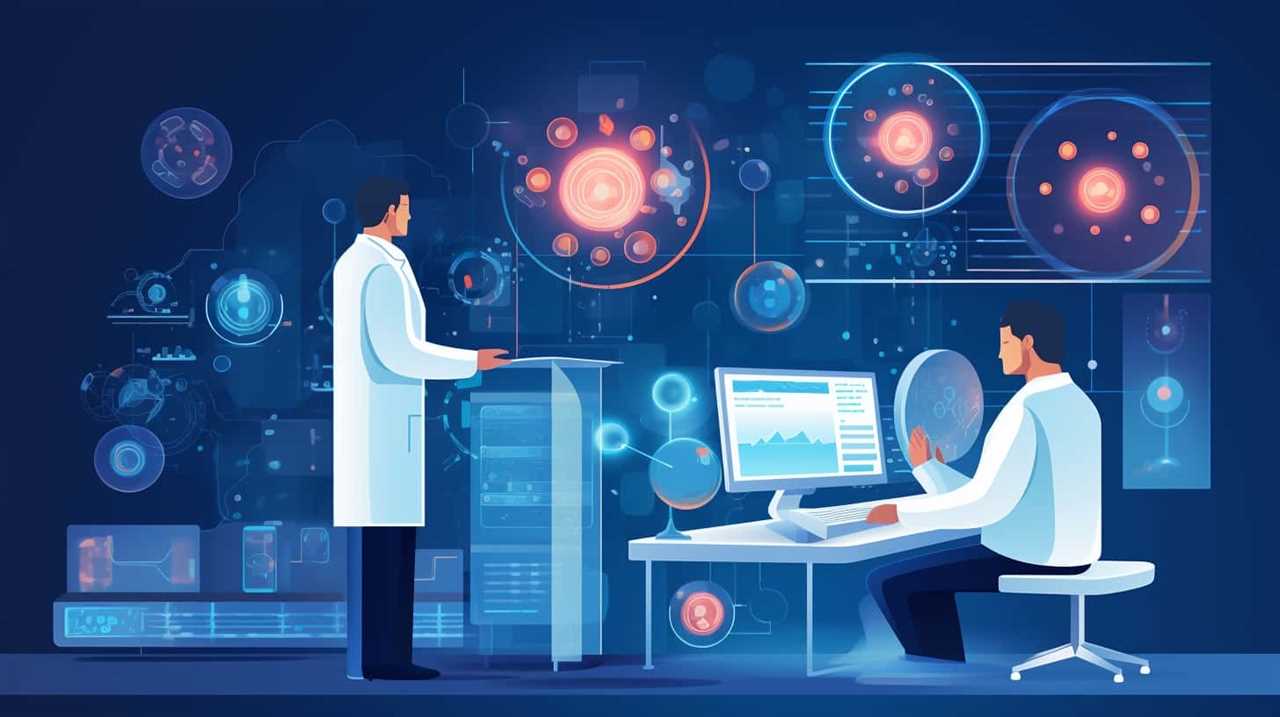
In conclusion, medical imaging AI has revolutionized healthcare by enhancing detection and early diagnosis, improving accuracy in complex medical conditions, efficiently triaging and prioritizing patients, and streamlining workflow with reduced turnaround time. This advanced technology is transforming the way healthcare professionals provide accurate and efficient care, paving the way for a future of more precise medical diagnoses.