
Pipe insulation is one of the simplest winter fixes because it’s affordable, easy to install, and highly effective at preventing pipes from freezing and bursting. It creates a barrier against cold air, especially in vulnerable spots like basements, exterior walls, and unheated spaces. By protecting your pipes, you reduce the risk of costly repairs and water damage. Keep exploring to discover how these simple tips can keep your plumbing safe all winter long.

Get everyday essentials delivered free with Prime
- Fast, free delivery on millions of items
- Prime Video, Amazon Music and more included
- Member-only deals all year
Key Takeaways
- Easy to install with minimal tools and disruption, making it accessible for DIY winter preparations.
- Provides immediate protection against freezing pipes with simple, cost-effective materials like foam sleeves.
- Prevents costly pipe bursts and water damage, reducing the need for complex repairs.
- Enhances energy efficiency by reducing heat loss with straightforward insulation solutions.
- Suitable for various vulnerable areas, offering quick and adaptable winter fixes.
As winter approaches, protecting your pipes from freezing becomes essential to prevent costly damage. If you live in an urban area, your plumbing system might face unique challenges, such as limited outdoor space and older infrastructure. Fortunately, pipe insulation is one of the simplest and most effective winter fixes you can implement. It’s a straightforward solution that saves you money and hassle by preventing burst pipes and water damage.
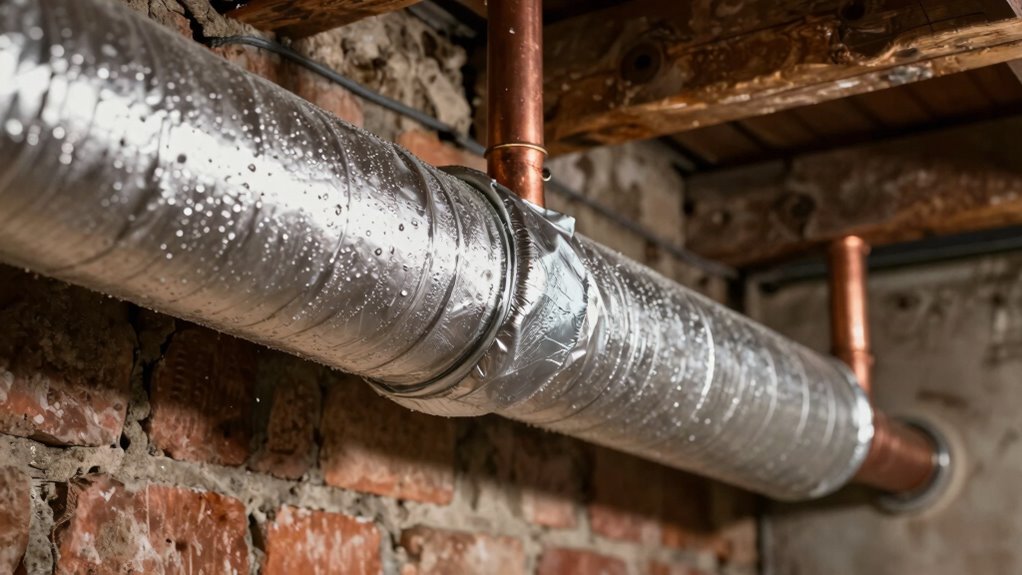
Urban plumbing often involves pipes running through less insulated areas like basements, crawl spaces, or exterior walls. These spots are especially vulnerable to freezing temperatures. By using proper insulation materials, you create a barrier that helps retain heat around your pipes and keeps the water flowing smoothly, even during the coldest days. You don’t need to be a professional to get started—many insulation materials are easy to install and widely available at hardware stores.
Insulate pipes in basements, crawl spaces, and exterior walls to prevent freezing and keep water flowing smoothly.
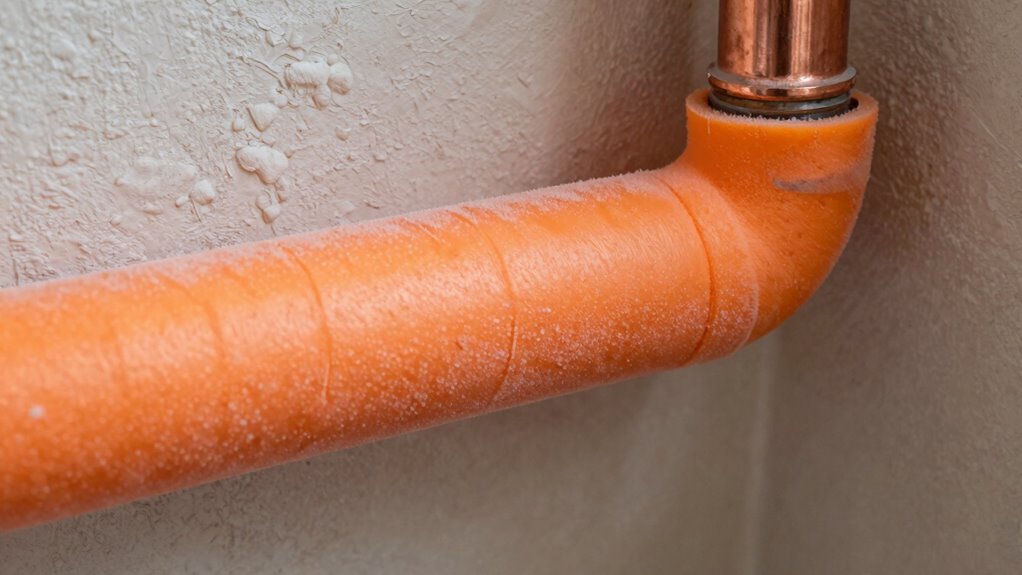
Foam pipe insulation sleeves are a popular choice because they’re affordable, flexible, and easy to cut to size. Just measure the length of your pipes and trim the sleeves accordingly. Once fitted, these sleeves form a snug barrier, preventing cold air from reaching the pipe surface. If you have exposed pipes in unheated spaces, wrapping them with insulation tape or utilizing spray foam insulation can give additional protection. These materials expand on application, filling gaps and providing a continuous insulation layer that’s perfect for irregular shapes or tight spots.
Choosing the right insulation materials depends on your specific needs and climate. For instance, rubber or fiberglass wraps are more durable for outdoor pipes, while foam sleeves work well indoors. Keeping pipes insulated isn’t just about preventing freezing; it also reduces heat loss, which can lower your energy bills. Plus, insulation helps prevent condensation that could lead to mold or corrosion over time. Additionally, selecting the appropriate insulation material can be influenced by the urban environment, where space constraints might require more flexible options. Using insulation in urban plumbing systems can improve overall efficiency and durability, especially in older infrastructure. Proper insulation can also be part of a broader approach to smart home technology, enhancing your home’s energy efficiency. Moreover, insulating pipes in older buildings can help address the unique challenges posed by aging infrastructure and limited renovation options.
In urban settings, where space is often limited, you’ll appreciate how quick and non-intrusive pipe insulation is. It requires minimal disruption to your daily routine and doesn’t involve complex tools or procedures. Applying insulation also adds an extra layer of protection against drafts and temperature fluctuations common in city environments. It’s also beneficial to consider the use of specialized insulation materials designed specifically for harsh climates or space-restricted areas. The investment in insulation materials pays off by avoiding emergency repairs, water damage, and the inconvenience of dealing with burst pipes during the cold season.
All in all, pipe insulation is a simple, cost-effective winter fix that offers peace of mind and protects your home’s plumbing system. Whether you’re insulating exposed pipes or adding an extra layer of defense in tricky spots, it’s one of the easiest ways to prepare for winter’s chill. With just a little effort, you can keep your water flowing smoothly and avoid unnecessary headaches caused by freezing pipes.
As an affiliate, we earn on qualifying purchases.
Frequently Asked Questions
How Long Does Pipe Insulation Typically Last?
Pipe insulation typically lasts 10 to 15 years, depending on the insulation’s material and exposure to elements. You’ll find that insulation durability varies with factors like insulation type—foam, fiberglass, or rubber—and environmental conditions. To guarantee ideal material longevity, check for signs of wear or damage regularly. Replacing damaged insulation promptly helps maintain energy efficiency and prevents pipe freezing, especially during harsh winters.
Can Pipe Insulation Prevent All Types of Pipe Freezing?
Pipe insulation can substantially reduce the risk of freezing, but it doesn’t prevent all types of pipe freezing, especially in extremely cold conditions. Its durability varies, and over time, it may need replacing to maintain effective outdoor pipe protection. You should use high-quality insulation and guarantee proper installation for the best results. Remember, combining insulation with other winter precautions offers the best defense against pipe freezing.
Is Pipe Insulation Suitable for Outdoor Pipes?
Yes, pipe insulation suits outdoor pipes. It provides essential outdoor protection, shielding pipes from harsh winter weather. Durable insulation materials withstand wetness, wind, and freezing temperatures, ensuring pipes stay warm and functional. Proper insulation not only prevents freezing but also guards against moisture damage. You should choose weather-resistant, durable insulation options designed for outdoor use. This simple step markedly enhances insulation durability, making it a smart, cost-effective solution for winter’s worst weather.
What Materials Are Safest for DIY Pipe Insulation?
You should choose foam or rubber pipe insulations for DIY projects because they’re safe and easy to install. These materials are generally non-toxic, which makes them safer for your family and pets. Plus, they have a lower environmental impact compared to chemical-based insulations like spray foam or fiberglass, which may contain harmful chemicals. Always check product labels for chemical safety information to verify you’re selecting eco-friendly options.
Does Pipe Insulation Reduce Energy Bills Significantly?
You’ll notice a comforting sense of cost savings when you install pipe insulation, as it considerably boosts insulation effectiveness. By reducing heat loss, your energy bills can drop more than you might expect, especially during winter. This simple fix keeps your home warmer and your expenses lower, providing peace of mind. It’s an easy, effective way to protect your household while saving money — a small effort with a big impact.
pipe insulation tape for outdoor pipes
As an affiliate, we earn on qualifying purchases.
As an affiliate, we earn on qualifying purchases.
Conclusion
Wrapping your pipes with insulation might just be the cozy touch your winter routine needs. It’s a small step that quietly guards against chilly surprises, keeping your home warm and worry-free. Think of it as giving your pipes a warm blanket—simple, comforting, and surprisingly effective. So, take a moment to insulate, and let your winter worries melt away, leaving you with peace of mind and a snug, cozy home all season long.
As an affiliate, we earn on qualifying purchases.
As an affiliate, we earn on qualifying purchases.
Halloween Picks
halloween
As an affiliate, we earn on qualifying purchases.