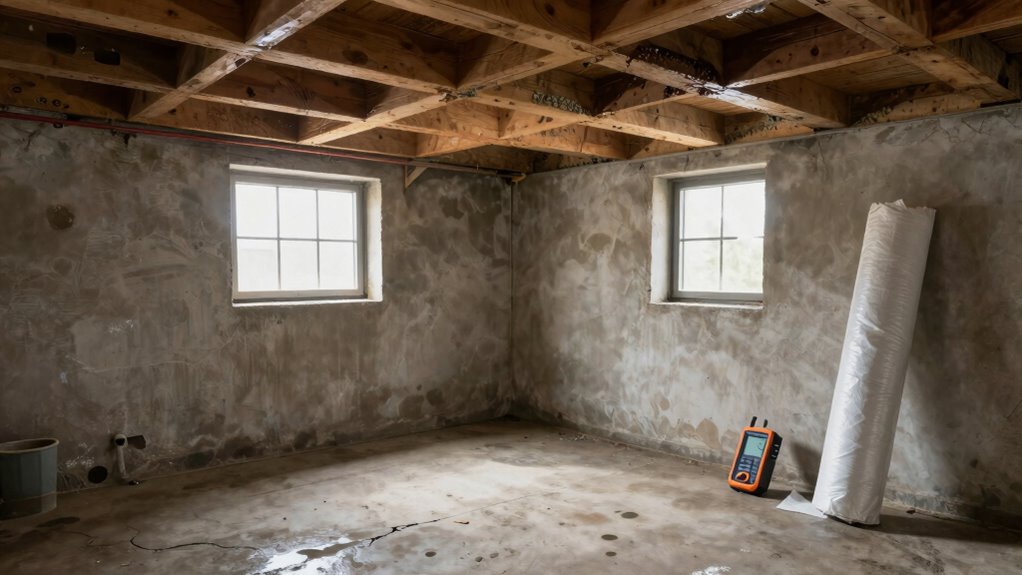

Regular basement inspections help you catch early issues like foundation cracks and moisture problems before seasonal weather worsens them. By identifying these problems early, you can take preventative measures such as sealing cracks or fixing drainage, which saves you money on costly repairs later. As seasons change, inspections guarantee your home stays protected from freeze-thaw cycles, flooding, and mold growth. Stay ahead of potential damage and discover how proactive maintenance keeps your home safe and secure.

Get everyday essentials delivered free with Prime
- Fast, free delivery on millions of items
- Prime Video, Amazon Music and more included
- Member-only deals all year
Key Takeaways
- Regular inspections detect foundation cracks early, preventing worsening damage during seasonal freeze-thaw cycles.
- Identifying moisture issues before seasons change helps avoid mold growth and water intrusion.
- Inspections ensure drainage systems and sump pumps are functional, reducing flood risk during heavy rains.
- Early detection of vulnerabilities allows timely repairs, minimizing costly damage from seasonal weather events.
- Maintaining foundation health through inspections enhances home resilience and safety across all seasons.
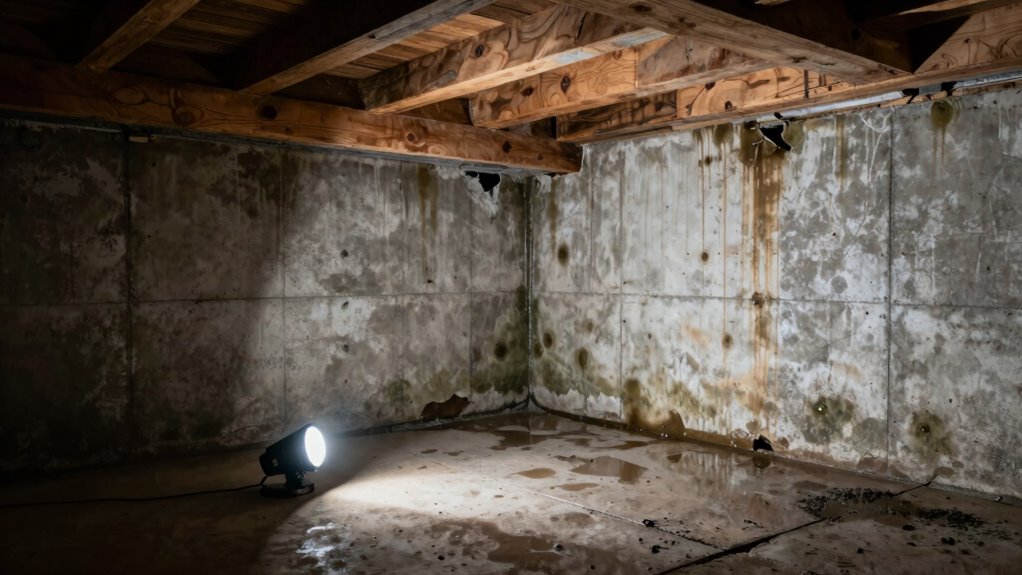
Regular basement inspections are essential because they can catch problems early before they cause significant damage. When you routinely check your basement, you’re more likely to notice issues like foundation cracks or signs of excess moisture that could lead to mold growth. Foundation cracks might seem minor at first, but if ignored, they can widen over time, compromising the structural integrity of your home. Catching these cracks early allows you to address them before they turn into costly repairs or dangerous safety hazards. A professional inspection can reveal subtle cracks that might not be visible to the untrained eye, giving you the opportunity to take preventative measures immediately.
Regular inspections catch early foundation cracks, preventing costly damage and ensuring home safety.
Mold prevention is another critical reason to keep up with regular basement inspections. Moisture is a primary trigger for mold growth, and basements are particularly vulnerable because they tend to be cooler and damp. By inspecting your basement regularly, you can identify and fix leaks, high humidity levels, or poor drainage that create the ideal environment for mold to thrive. Mold doesn’t just damage your property; it can also pose serious health risks, especially for allergy sufferers or those with respiratory issues. Addressing moisture issues early, before mold becomes visible or widespread, saves you from expensive remediation later on.
In addition to catching cracks and preventing mold, regular inspections help you stay ahead of seasonal damage. During colder months, water from snow or rain can seep into unsealed cracks or foundation gaps, causing freeze-thaw cycles that worsen existing cracks. Conversely, heavy rains in spring or fall can increase basement flooding risk if your drainage system isn’t functioning properly. By inspecting and maintaining your basement before these seasons, you reduce the likelihood of water damage, mold outbreaks, and structural deterioration. Early detection means you can take proactive steps such as sealing cracks, improving drainage, or installing sump pumps, rather than facing emergency repairs when damage has already occurred. Recognizing potential hazards early can significantly reduce repair costs and improve your home’s resilience.
Staying vigilant with basement inspections also allows you to plan maintenance around seasonal changes. You can schedule repairs, clean gutters, and check sump pumps before heavy rain or snowfalls, ensuring your home remains protected year-round. This proactive approach not only minimizes damage but also extends the lifespan of your foundation and structural components. Regular inspections can also help you understand the importance of foundation health, which is crucial for maintaining your home’s stability. Recognizing the signs of moisture problems early can save you significant costs and prevent long-term damage. Additionally, understanding how water intrusion affects your basement can motivate you to take preventive measures more seriously. Being aware of the seasonal vulnerabilities your home faces can help you prioritize repairs and maintenance accordingly. Ultimately, a little regular effort saves you money and hassle, keeping your home safe, dry, and mold-free through every season.
As an affiliate, we earn on qualifying purchases.
Frequently Asked Questions
How Often Should I Schedule Basement Inspections?
You should schedule basement inspections at least once a year, especially before heavy seasonal changes. Regular inspections help identify issues with basement waterproofing and mold prevention early, saving you money and hassle. If you notice signs of dampness, leaks, or mold, it’s wise to inspect more frequently. Staying proactive guarantees your basement stays dry, protected, and mold-free, ultimately preventing costly repairs and preserving your home’s value.
What Signs Indicate Immediate Basement Inspection Needs?
You should schedule an immediate basement inspection if you notice foundation cracks or mold growth. Foundation cracks can weaken your structure and worsen over time, while mold indicates excess moisture and potential health issues. Addressing these signs early helps prevent costly repairs and seasonal damage. Don’t wait; acting promptly guarantees your basement’s safety and preserves your home’s integrity. Regular inspections catch problems before they escalate.
Are Professional Inspections Necessary for Minor Issues?
Professional inspections are often necessary even for minor issues because DIY assessments might miss hidden problems. You may think small cracks or damp spots aren’t urgent, but professionals can identify underlying causes before they escalate. Considering cost considerations, investing in a professional inspection can save you money in the long run by preventing costly repairs. Plus, early detection ensures your basement stays dry and damage-free through seasonal changes.
How Long Does a Typical Basement Inspection Take?
A typical basement inspection takes about 1 to 2 hours. During this time, you’ll review the inspection checklist with your professional, covering key areas like foundation, plumbing, and drainage. They’ll provide a clear cost estimation based on their findings. This thorough process helps identify minor issues early, saving you money by preventing costly seasonal damage. Be prepared to answer questions and discuss potential repairs during the inspection.
Can Inspections Prevent All Types of Basement Damage?
Inspections can substantially reduce many types of basement damage, but they can’t prevent all. You’ll catch issues like basement mold and foundation cracks early, which helps avoid costly repairs later. Regular inspections allow you to address problems before they worsen, giving you peace of mind. However, some damage may develop quickly or be hidden, so ongoing maintenance and vigilance are essential to keep your basement safe and protected over time.
As an affiliate, we earn on qualifying purchases.
Conclusion
Regular basement inspections can save you from costly repairs down the line. By catching issues early, you prevent water damage, mold, and structural problems before they worsen. Did you know that over 60% of home insurance claims involve basement flooding? Staying proactive with inspections not only protects your property but also your finances. Don’t wait for signs of damage—schedule an inspection today and keep your home safe and dry year-round.
As an affiliate, we earn on qualifying purchases.
As an affiliate, we earn on qualifying purchases.
Halloween Picks
halloween
As an affiliate, we earn on qualifying purchases.