TL;DR

Get everyday essentials delivered free with Prime
- Fast, free delivery on millions of items
- Prime Video, Amazon Music and more included
- Member-only deals all year
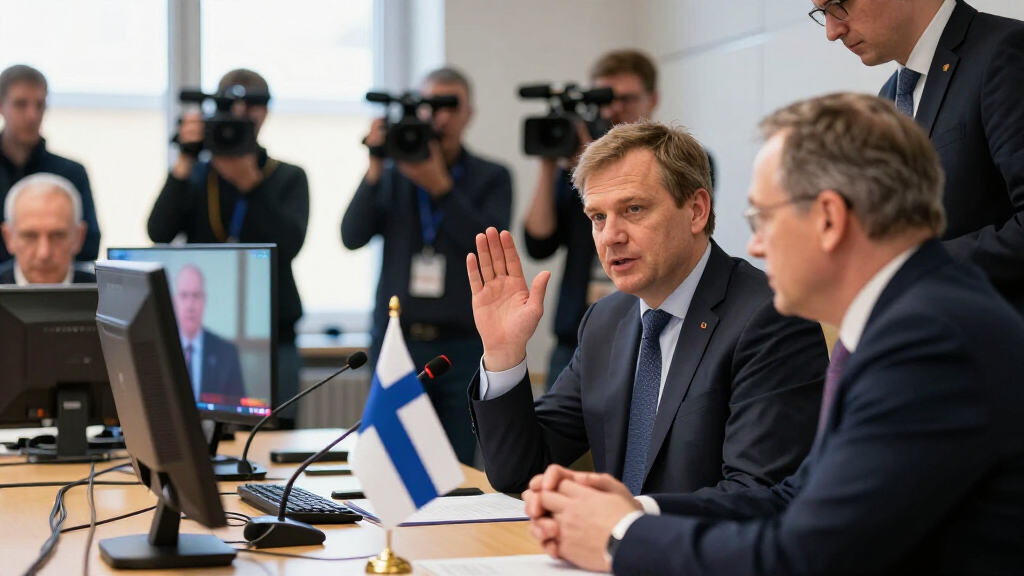
EU officials are discussing who could represent the bloc in talks with Russian President Vladimir Putin, Politico reports, with Finnish President Alexander Stubb among the candidates. Ursula von der Leyen and António Costa are also being considered, but no appointment or mandate has been announced.
European Union officials are discussing who could represent the bloc in negotiations with Russian President Vladimir Putin, with Finnish President Alexander Stubb among the possible candidates, Politico reported on October 22. The discussions reportedly intensified after U.S. presidential special envoy Steve Witkoff met Putin in St. Petersburg on October 21; no EU negotiator has been selected, and there is no confirmed mandate or schedule for talks.
Politico reported that European diplomatic sources cited Stubb’s relationship with U.S. President Donald Trump and Finland’s long border with Russia as factors in considering him. Stubb also took part in a meeting with Ukrainian President Volodymyr Zelensky and Witkoff in Oslo before Witkoff’s trip to Russia, according to the report. The source material does not describe Stubb as formally appointed or say that he has accepted a role.
Other names under consideration include European Commission President Ursula von der Leyen and European Council President António Costa, Politico reported. Czech President Petr Pavel has called for the EU to identify an individual or group able to speak for Europe, while saying that representatives need not necessarily hold senior EU or NATO positions. Sources cited by Politico said it was important for the EU to participate as a single entity rather than through individual member states.
The immediate development is a reported discussion about representation, not a confirmed start to negotiations. The source material provides no agreed EU position on a lead negotiator, details of a mandate, or confirmation that the Kremlin has agreed to talks with a representative chosen by the bloc.
Who Speaks for the EU
A decision about representation would shape whether European governments can present a shared position in any negotiations involving Russia’s war against Ukraine. A single representative could help coordinate the bloc’s approach, while separate national initiatives risk giving European capitals different roles and messages. Those are possible consequences of the reported debate, not outcomes that have already occurred.
The issue also concerns Europe’s place in diplomacy as outside powers engage directly with Moscow. Politico’s report describes EU officials considering how the bloc could be represented; it does not establish that Europe has been excluded from a specific negotiation or that a final process has been agreed. The choice of representative, and the authority given to that person, would indicate how member states intend to coordinate their involvement.
As an affiliate, we earn on qualifying purchases.
The Meetings Behind the Debate
The reported discussion gathered pace after U.S. special envoy Steve Witkoff met Putin in St. Petersburg on October 21. Before that trip, Witkoff met Zelensky in Oslo, with Stubb and von der Leyen also attending, according to Politico. The report presents those contacts as relevant to the renewed discussion over who might speak for Europe, but does not say they produced an EU negotiating plan.
Pavel told the Axel Springer Global Reporters’ Network that Putin does not treat the EU as an authority and does not speak with several senior European figures. He argued that Europe should identify someone with a mandate from other leaders. Separately, Putin has previously said former German Chancellor Gerhard Schröder, with whom he has a friendly relationship, could serve as a negotiator. That statement does not amount to an EU proposal or an agreed appointment.
A separate Wall Street Journal report, cited in the source material, said Putin had proposed a trilateral meeting among the leaders of the United States and China to discuss ending the Russia-Ukraine war, and that EU representatives were not expected to be invited. The details and status of that proposal are not established in the material provided.
“The EU needs to “identify a person or a group of people who would speak for Europe.””
— Czech President Petr Pavel, in an interview with the Axel Springer Global Reporters’ Network
As an affiliate, we earn on qualifying purchases.
Mandate and Timing Remain Open
No candidate has been formally chosen in the information available, and officials have not announced whether the EU will appoint one negotiator, a group, or a representative for a particular set of discussions. The scope of any mandate, who would approve it, and how it would relate to the positions of individual member states remain unclear.
It is also not confirmed that negotiations between Putin and an EU representative are scheduled or that Moscow would accept a person selected by the bloc. Politico’s account relies in part on diplomatic sources; the report does not provide a public EU decision or a direct statement from the candidates confirming their roles. The status of the proposed U.S.-China meeting described by the Wall Street Journal is also unclear from the source material.
international negotiation training kit
As an affiliate, we earn on qualifying purchases.
As an affiliate, we earn on qualifying purchases.
EU Leaders Must Set a Mandate
The next concrete development would be a public decision by EU leaders or institutions on whether to appoint a representative and what authority that person would have. Until such a decision is announced, Stubb, von der Leyen and Costa remain reported possibilities, not confirmed negotiators.
Further statements from EU officials, member-state leaders, or the Kremlin may clarify whether talks are planned and whether Europe would participate directly. The source material gives no date for a selection, no timetable for negotiations, and no confirmed next meeting involving an EU representative and Putin.
As an affiliate, we earn on qualifying purchases.
Key Questions
Has the EU appointed Alexander Stubb to lead talks with Putin?
No. Politico reports that Stubb is among the candidates being considered, but no appointment or negotiating mandate has been announced in the source material.
Who else is reportedly being considered?
Politico also names Ursula von der Leyen, president of the European Commission, and António Costa, president of the European Council. Their consideration does not confirm that either has been selected.
Why is the EU discussing a single representative?
Czech President Petr Pavel has argued that Europe needs a person or group authorized to speak for it. Diplomatic sources cited by Politico said the EU should participate as a single entity, rather than through separate member-state leaders.
When would talks with Putin take place?
No timetable has been confirmed. The report says discussions about a possible EU representative intensified after Witkoff met Putin on October 21, but it does not confirm negotiations with an EU envoy are scheduled.
Source: rss
Fall Picks
fall essentials
As an affiliate, we earn on qualifying purchases.