By 2025, space tourism is quickly becoming more accessible and luxurious, thanks to innovations like reusable rockets, orbital hotels, and improved life support systems. These advancements make longer stays and unique experiences possible, bringing space closer to everyday travelers. However, challenges remain around safety, scalability, and sustainability that could impact its growth. If you want to explore how these obstacles are being addressed and what the future holds, there’s more to uncover.
Key Takeaways
- The space tourism industry has rapidly expanded by 2025, driven by technological innovations and increased accessibility.
- Orbital hotels and extended stays offer new luxurious experiences, transforming space tourism into a vacation-like industry.
- Advances in reusable rockets and propulsion systems have lowered costs and improved travel efficiency.
- Safety, energy efficiency, and maintenance innovations are essential for sustainable, long-duration space tourism.
- Despite progress, challenges remain in scaling infrastructure, ensuring safety, and addressing high costs and regulatory hurdles.

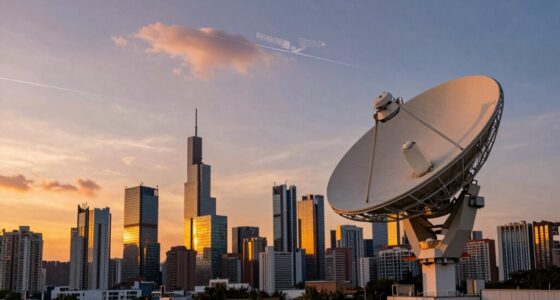
By 2025, space tourism has become more accessible and exciting than ever, transforming from a niche experience into a growing industry that invites everyday travelers to explore the cosmos. You can now envision booking a trip not just to see Earth from space but to stay in orbital hotels that orbit hundreds of miles above the planet. These hotels are no longer distant dreams; they’re becoming reality thanks to recent spacecraft innovations that prioritize safety, comfort, and sustainability. Companies have developed spacecraft that are more reliable and cost-effective, making space travel feasible for a broader audience. These advancements include reusable rockets, faster launch times, and more efficient propulsion systems, all of which drive down costs and increase frequency of trips.
Orbital hotels, in particular, have gained significant attention as the next step in space tourism. Imagine stepping out onto a balcony overlooking Earth’s curvature, with panoramic views that are impossible to replicate anywhere else. These hotels are designed to mimic luxury accommodations on Earth but are built to withstand the unique challenges of space. They feature pressurized living modules, advanced life support systems, and even zero-gravity recreational areas, giving travelers the sensation of floating in space. The development of modular hotel designs allows for scalability, so more travelers can experience space without the need for entirely new structures. These innovations are made possible through spacecraft breakthroughs that ensure safety, energy efficiency, and ease of maintenance.
You’ll also notice that spacecraft innovations have enabled longer stays in orbit, turning space tourism into a more immersive experience. Previously, trips were limited to brief suborbital hops, but now, with more sophisticated spacecraft, travelers can enjoy extended visits, participate in research projects, or engage in microgravity experiments. These spacecraft are equipped with improved life support, radiation shielding, and advanced navigation, making space a more hospitable environment for tourists. As a result, space tourism is shifting from short, adrenaline-pumping trips to more luxurious, prolonged stays that resemble a vacation but in orbit. Additionally, spacecraft innovation is crucial for ensuring the safety and comfort of travelers during these extended journeys.
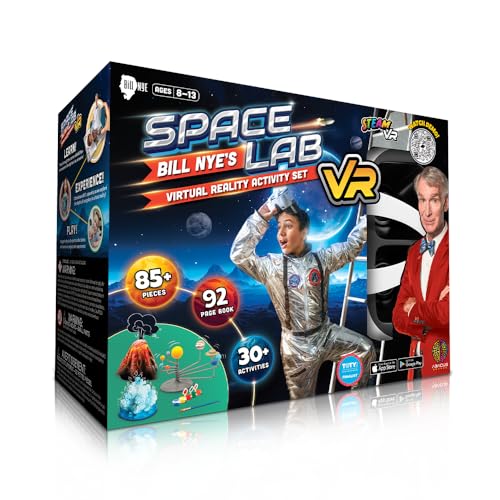
Abacus Brands Bill Nye's VR Space Lab – Virtual Reality Kids Science Kit, Book and Interactive STEM Learning Activity Set (Bill Nye Space (2025 Version))
Bill Nye Space
As an affiliate, we earn on qualifying purchases.
As an affiliate, we earn on qualifying purchases.
Frequently Asked Questions
How Affordable Will Space Tourism Be for the Average Consumer?
Space tourism likely won’t be affordable for the average consumer yet, but as companies focus on cost reduction and expanding their market, prices will gradually drop. You might see more accessible options in the next few years, especially as competition increases and technology improves. While it won’t be cheap now, ongoing innovations could make space travel more affordable for everyday travelers in the future.
What Safety Measures Are in Place for Commercial Space Tourists?
Think of space tourism safety measures as your lifeboat on a vast ocean. You’re protected by rigorous spacecraft safety protocols, including multiple redundancies and regular maintenance checks. Emergency preparedness is top priority, with crew trained for various scenarios. Safety briefings ensure you know how to respond if needed. These steps help guarantee your journey is thrilling yet secure, giving you confidence to enjoy your cosmic adventure without worry.
How Will Space Tourism Impact Earth’s Environment?
Space tourism could increase space debris, cluttering orbit and raising collision risks, which might threaten satellite operations and space stations. Additionally, frequent launches can contribute to atmospheric pollution from rocket emissions, impacting Earth’s climate. As a tourist, you should be aware that these environmental effects may lead to stricter regulations and innovations aimed at reducing pollution and managing space debris, ensuring sustainable growth of the industry.
What Legal Regulations Govern Space Tourism Activities?
You might think regulations are strict, but international treaties like the Outer Space Treaty and liability frameworks govern space tourism activities. These laws guarantee safety, accountability, and responsible exploration, holding operators liable for damages. While some regulations are still evolving, they aim to balance innovation with safety. As a traveler, you benefit from these legal protections, ensuring your journey is both exciting and safe within a well-regulated space tourism industry.
Will Space Tourism Be Accessible to People With Disabilities?
Yes, space tourism will become more accessible to people with disabilities. You’ll see efforts to address accessibility challenges through adaptive technologies, making it easier for everyone to participate. Companies are working on specialized equipment and accommodations to guarantee safety and comfort for all travelers. While some hurdles remain, advancements in adaptive tech will help you experience space travel, breaking down barriers and expanding opportunities for people with disabilities.

DRIFTED ROOT NASA Licensed No Hook Shower Curtain Set, Orbital Atlas Moon Surface Design, Space Poster Art, Oxford Cloth, Bathroom Hotel Decor (Orbital Atlas-Gray/White, 72" W x 74" L (Pack of 1))
No Hook Printed Shower Curtain 72''W x 74''H inches, Oxford Cloth, 150 GSM, Machine Washable
As an affiliate, we earn on qualifying purchases.
As an affiliate, we earn on qualifying purchases.
Conclusion
By 2025, space tourism promises adventure, innovation, and exploration. You’ll glimpse the Earth from above, experience weightlessness, and be part of a new frontier. Yet, you’ll also face challenges—costs, safety concerns, and environmental impacts—that test your resolve. As you stand on this cusp of discovery, remember: the journey to the stars is a leap into the unknown, a chance to dream bigger, reach higher, and redefine what’s possible. The cosmos awaits your bold step.

Estes 1469 Tandem X Rocket-Building Kit, Beginner Flying-Rocket Model Kit for Ages 10+, Includes Launch Pad and Controller
BEGINNER MODEL-ROCKET LAUNCH SET: The Tandem-X rocket-model launch set offers adults and kids ages 10+ hours of fun…
As an affiliate, we earn on qualifying purchases.
As an affiliate, we earn on qualifying purchases.
microgravity recreational equipment
As an affiliate, we earn on qualifying purchases.
As an affiliate, we earn on qualifying purchases.

Elena’s passion for the arts and culture shines through in her vivid reporting. From film festivals to gallery openings, her coverage is an essential source for anyone interested in the latest cultural trends and artistic movements.