In 2025, health misinformation still spreads rapidly online, affecting your trust and choices about vaccines and diets. False claims, amplified by social media and sensational headlines, often overshadow credible sources and reinforce myths. To protect yourself, verify information with reputable organizations like the CDC and WHO, and rely on peer-reviewed studies. Staying informed and skeptical helps you navigate the chaos, and there’s more you can do to stay empowered as you uncover the truth behind these myths.
Try Amazon Prime free for 30 days
Fast free delivery, Prime Video and member-only deals. Cancel anytime.
As an affiliate, we earn on qualifying purchases.
Key Takeaways
- Promoting digital literacy and critical thinking helps individuals identify and resist health misinformation effectively.
- Strengthening the credibility of health communication by trusted organizations like CDC and WHO combats false claims.
- Encouraging fact-checking and reliance on peer-reviewed research reduces the spread of myths about vaccines and diets.
- Implementing platform policies to detect and remove false health information minimizes online misinformation.
- Public education campaigns emphasizing vaccine safety and evidence-based nutrition empower informed health decisions.
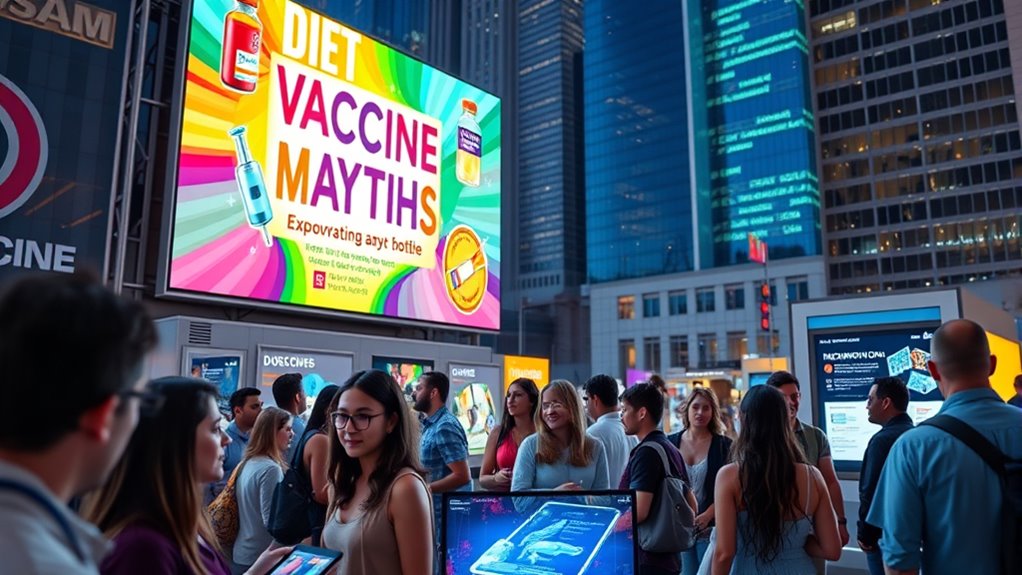
Have you ever wondered how health misinformation continues to spread despite advances in technology? It’s a frustrating reality that false claims about diets and vaccines persist, influencing perceptions and decisions worldwide. The internet’s vast reach makes it easy for misinformation to circulate rapidly, often overshadowing credible sources. One common battleground is the domain of nutritional myths, where false ideas about what’s healthy or dangerous dominate social media and even some mainstream outlets. These myths can lead you to believe that certain foods or supplements can cure diseases or that eliminating entire food groups is necessary for good health. Meanwhile, vaccine misconceptions continue to sow doubt about safety and efficacy, despite overwhelming scientific evidence proving their importance. You might encounter claims that vaccines cause autism or contain dangerous toxins, fueling fears that discourage vaccination and threaten herd immunity.
Understanding how these myths take hold is vital to combating them. Misinformation often appeals to your emotions, playing on fears and hopes rather than facts. When you see sensational headlines about miracle diets or supposed vaccine dangers, it’s easy to get caught up in the hype, especially if you lack access to reliable, science-based information. Social media algorithms tend to reinforce your existing beliefs, creating echo chambers where misinformation flourishes. Furthermore, the spread of false information is often amplified by individuals or groups with specific agendas, whether to sell health products or to push certain ideologies. This environment makes it challenging to discern truth from fiction, especially when credible sources are drowned out by clickbait and sensationalism.
You can take steps to protect yourself from falling prey to these myths. Always question the source of health information and look for evidence from reputable organizations like the CDC or WHO. Recognize that nutritional myths often rely on anecdotal evidence or outdated research, so rely on peer-reviewed studies and expert consensus. When it comes to vaccines, remember that scientific consensus overwhelmingly supports their safety and importance in preventing disease. Avoid sharing or acting on unverified claims, and instead, consult healthcare professionals when in doubt. By staying informed and skeptical of sensationalized stories, you empower yourself to make healthier, evidence-based choices. Combating health misinformation requires active effort, but with critical thinking and reliance on trusted sources, you can navigate the complex landscape of health information more confidently.
As an affiliate, we earn on qualifying purchases.
Frequently Asked Questions
How Can Individuals Effectively Identify Credible Health Information Online?
You can effectively identify credible health information online by practicing critical appraisal of sources and verifying their credibility. Look for reputable websites, such as government health agencies or well-known medical institutions. Check the author’s qualifications and look for evidence-based data. Avoid sensational headlines and cross-reference information with multiple trusted sources. By critically evaluating content and confirming sources, you ensure you’re getting accurate, reliable health guidance, helping you make informed decisions.
What Role Do Social Media Platforms Play in Spreading Health Myths?
Social media platforms play a significant role in spreading health myths by amplifying viral trends and misinformation algorithms. You might see false health claims gain traction quickly because algorithms prioritize engaging content, regardless of accuracy. To protect yourself, be cautious of viral trends, verify information through trusted sources, and report misleading posts. Recognizing how these algorithms work helps you stay informed and avoid falling for health misinformation.
Are There Legal Measures to Combat Health Misinformation?
Yes, legal frameworks and regulatory enforcement are in place to combat health misinformation. Governments and agencies create laws that hold platforms accountable for false health claims, and they enforce regulations to remove or flag misleading content. You can expect stricter penalties for spreading harmful myths, and platforms are encouraged to monitor and fact-check content actively. These measures aim to safeguard public health and ensure accurate information reaches everyone.
How Do Health Authorities Plan to Counteract Misinformation in 2025?
In 2025, health authorities plan to counter misinformation through community engagement and expert collaboration. Did you know 70% of people trust information from local sources? They’ll work with trusted community leaders and healthcare experts to share accurate info and dispel myths. By actively involving communities and leveraging expert insights, they aim to build trust and promote healthier choices, making accurate health information more accessible and credible for everyone.
What Impact Does Health Misinformation Have on Public Trust in Medicine?
Health misinformation fuels public skepticism, leading to trust erosion in medicine. When you encounter false claims, it can make you doubt the safety and effectiveness of vaccines or treatments. This skepticism spreads, weakening confidence in health authorities and medical professionals. As a result, you might delay or refuse essential care, which can harm your health. Combating misinformation is vital to restoring trust and ensuring you receive accurate, reliable medical guidance.
peer-reviewed nutrition research
As an affiliate, we earn on qualifying purchases.
As an affiliate, we earn on qualifying purchases.
Conclusion
By 2025, combating health misinformation remains essential as nearly 60% of people report encountering false health claims online. You play a critical role in discerning fact from fiction, trusting credible sources, and sharing accurate information. Staying vigilant helps protect yourself and others from harmful myths, whether about vaccines or diets. Remember, your awareness can make a difference—so question, verify, and stay informed to help create a healthier, more truthful future.
vaccine safety informational brochures
As an affiliate, we earn on qualifying purchases.
As an affiliate, we earn on qualifying purchases.
As an affiliate, we earn on qualifying purchases.
Fall Picks
fall essentials
As an affiliate, we earn on qualifying purchases.