TL;DR

Get everyday essentials delivered free with Prime
- Fast, free delivery on millions of items
- Prime Video, Amazon Music and more included
- Member-only deals all year
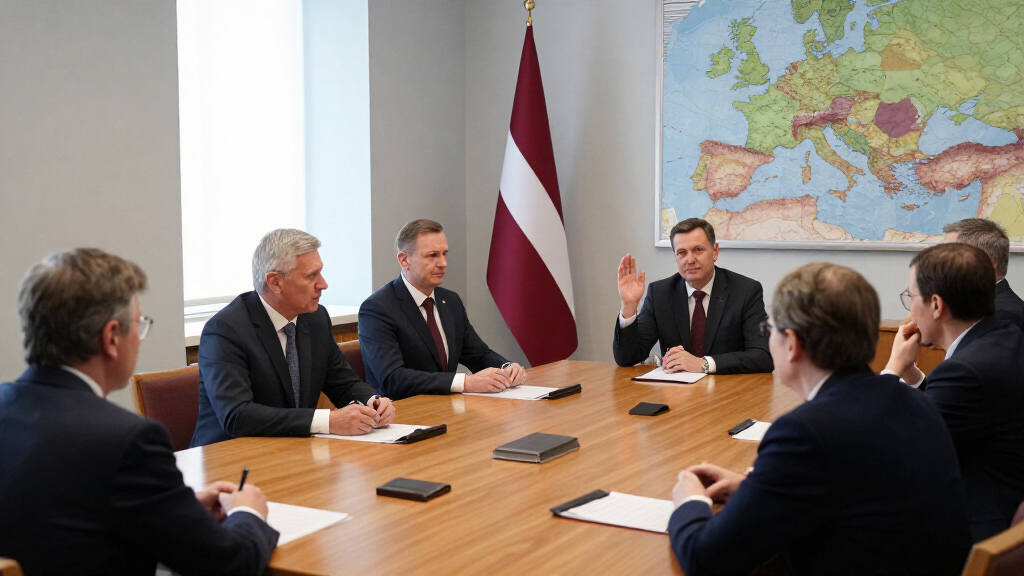
Latvian Prime Minister Andris Kulbergs backed authorities’ decision to expel Russian journalist Leonid Ragozin and said independent Russian journalism should be treated with “great precaution and triple checking.” Ragozin says the notice he received did not specify the conduct behind the decision; Latvia has cited information from competent authorities but has not publicly detailed it in the account reported by Meduza.
Latvian Prime Minister Andris Kulbergs has backed authorities’ decision to expel Russian journalist Leonid Ragozin, saying independent Russian journalism should be treated with “great precaution and triple checking.” Ragozin received formal notice of his expulsion on October 13; he says it did not identify specific misconduct or statements behind the decision.
Kulbergs made the remarks in response to Latvia’s decision to remove Ragozin from the country. According to Meduza’s report, plans to declare the journalist persona non grata became public in early October, before the formal notice was delivered. Kulbergs also said, “We were way too patient, way too tolerant,” in a statement about how Latvia has handled independent Russian journalism.
Latvia’s Foreign Ministry has said the decision was based on information “from the competent authorities.” The ministry said the matter followed consultations with the interior minister and the prime minister. The reported public explanation does not identify the specific information on which officials relied or set out particular acts by Ragozin.
Ragozin has described the expulsion as political persecution in retaliation for his work and public statements. That is his characterization, not an established finding. The available account confirms that he received notice and that officials have defended the decision, but does not provide a detailed evidentiary basis for either the government’s action or Ragozin’s allegation.
Scrutiny and Press-Freedom Concerns
The case puts a government security decision alongside questions about journalistic independence and the grounds for restricting a reporter’s right to remain in the country. Kulbergs’ call for extra caution toward independent Russian journalism signals the government’s position that work presented as independent may still warrant close scrutiny. But without a publicly described basis for the expulsion, readers cannot assess what conduct officials considered relevant.
For journalists and media organizations, the distinction between a general warning and a specific case matters. Authorities may rely on information they do not disclose publicly, while the affected person may have limited ability to answer claims that have not been identified. The published account does not establish whether Latvia has released a fuller rationale through another process, or what legal avenues Ragozin may have to challenge the decision.
The dispute also has consequences beyond Ragozin’s individual case: it may shape how reporters working in Latvia understand the risks of covering Russia-related issues. That is a potential effect, not a documented outcome. The confirmed development is narrower: the prime minister supports the expulsion, and the journalist disputes the basis for it.
professional digital video camera for journalism
As an affiliate, we earn on qualifying purchases.
As an affiliate, we earn on qualifying purchases.
From Public Plans to Formal Notice
The reported sequence began in early October 2026, when plans to designate Ragozin persona non grata became public. On October 13, he received an official notification that he was being expelled. The prime minister’s comments followed the authorities’ decision and framed it as part of a broader need for caution in dealing with independent Russian journalism.
The Foreign Ministry’s account, as reported by Meduza, refers to information from competent authorities and consultations with senior government officials. It does not, in the material available here, give a public description of the underlying information. Likewise, Ragozin’s account is that his notice named no specific misdemeanors or statements. These are the competing descriptions currently reported; the precise administrative or legal grounds are not set out in the source material.
““Independent Russian journalism has to be treated with great precaution and triple checking.””
— Latvian Prime Minister Andris Kulbergs
compact portable microphone for reporters
As an affiliate, we earn on qualifying purchases.
As an affiliate, we earn on qualifying purchases.
The Grounds Have Not Been Detailed
The main unresolved issue is what information prompted the expulsion. The Foreign Ministry has referred to competent authorities but, in the reported material, has not publicly specified the evidence, conduct, or statements at issue. Ragozin says his notice contained no such specifics, and his allegation that the action is political retaliation remains his claim.
The available account also does not establish the deadline for Ragozin to leave, whether he has appealed or can appeal, or whether officials intend to publish further details. It is not clear whether the government’s concerns relate to national security, particular reporting, public statements, or another basis. No conclusion on those points can be drawn from the statements reported so far.
As an affiliate, we earn on qualifying purchases.
Possible Appeal and Further Explanation
The next developments to watch are whether Latvian authorities provide a more detailed explanation, and whether Ragozin challenges the expulsion through any available legal or administrative process. The source material does not report an appeal, a hearing, or a date by which he must leave Latvia, so those steps should not be treated as confirmed.
Any new official statement or court filing could clarify the grounds, process, and timing. Until then, the confirmed position remains that Kulbergs supports the decision, the Foreign Ministry has cited information from competent authorities, and Ragozin disputes the basis for his removal.
portable voice recorder for journalists
As an affiliate, we earn on qualifying purchases.
As an affiliate, we earn on qualifying purchases.
Key Questions
What did Latvia’s prime minister say about the expulsion?
Andris Kulbergs backed the decision and said independent Russian journalism should be treated with “great precaution and triple checking.” He also said Latvia had been “way too patient, way too tolerant.”
Who is Leonid Ragozin?
Ragozin is a Russian journalist whom Latvian authorities have decided to expel. The source report does not provide further biographical details.
What reason has Latvia given for the decision?
Latvia’s Foreign Ministry said the decision was based on information “from the competent authorities” and followed consultations with the interior minister and prime minister. The reported account does not identify the specific information or conduct involved.
What does Ragozin say about the notice?
Ragozin says the notice he received on October 13 did not identify specific misdemeanors or statements that prompted the decision. He considers the expulsion political persecution related to his work and public statements.
Has Ragozin appealed the expulsion?
The source material does not say whether he has appealed or what legal options are available. The status of any challenge and the deadline for leaving Latvia remain unclear.
Source: rss
Halloween Picks
halloween
As an affiliate, we earn on qualifying purchases.