
TL;DR

Get everyday essentials delivered free with Prime
- Fast, free delivery on millions of items
- Prime Video, Amazon Music and more included
- Member-only deals all year
Shipping traffic through the Strait of Hormuz has significantly decreased as the US and Iran engage in renewed hostilities. This escalation impacts global oil supplies and regional security. Details on the extent of the clashes are still emerging.
Maritime traffic through the Strait of Hormuz has plummeted as military clashes between the United States and Iran have resumed, according to maritime monitoring sources and regional officials. Learn more about recent U.S. strikes in the Strait of Hormuz. The renewed hostilities have caused a sharp decline in shipping activity, raising concerns over regional stability and global oil supplies. Stay updated on the Strait of Hormuz tensions.
According to maritime tracking data, the number of ships passing through the Strait of Hormuz has decreased by approximately 60% over the past 24 hours. The US Navy confirmed that it intercepted several Iranian vessels near the Strait, which they described as provocative actions. Iran has also reported targeting what it claims are American military assets in the region, though details remain unconfirmed by independent sources.
Officials from the US Department of Defense stated that tensions escalated after Iran attempted to seize a commercial vessel, prompting a US naval response. See the latest on Iran’s threat to close the Strait of Hormuz. Iran’s Revolutionary Guard has issued statements warning against what they call American aggression, while the US has accused Iran of attempting to disrupt international shipping lanes.
Impact on Global Oil Markets and Regional Security
The decline in maritime traffic through the Strait of Hormuz, a critical chokepoint for global oil exports, could lead to increased oil prices and supply disruptions. The renewed conflict heightens regional instability, potentially affecting international markets and diplomatic relations. The situation underscores the fragile security environment in the Persian Gulf and the risk of broader escalation.As an affiliate, we earn on qualifying purchases.
Recent Tensions and Historical Clashes in the Strait of Hormuz
The Strait of Hormuz has long been a flashpoint for US-Iran tensions, with previous incidents involving attacks on oil tankers, drone strikes, and naval confrontations. In recent months, diplomatic efforts to de-escalate have faltered, and both sides have increased military posturing. The current clashes follow a series of provocative actions by Iran, including the seizure of ships and threats against US interests, while the US has maintained a military presence in the region to safeguard shipping lanes.
“Our forces are defending Iranian sovereignty against foreign interference. Any hostile act will be met with a firm response.”
— Iranian military official
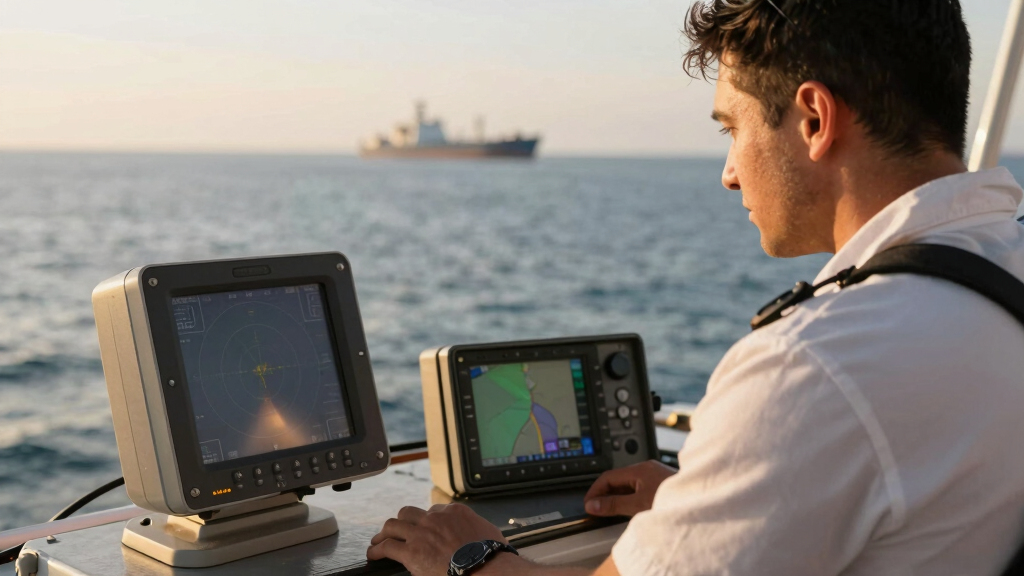
maritime satellite tracking device
As an affiliate, we earn on qualifying purchases.
As an affiliate, we earn on qualifying purchases.
Extent and Duration of the Current Clashes Remain Unclear
It is not yet clear how long the current escalation will last or whether it will escalate further into broader conflict. The precise nature and scale of the military engagements are still emerging, and independent verification of some claims is pending. The impact on shipping and regional stability may depend on subsequent developments.
As an affiliate, we earn on qualifying purchases.
Potential for Diplomatic Engagement or Further Escalation
Next steps include monitoring statements from US and Iranian officials, potential diplomatic efforts to de-escalate tensions, and continued maritime tracking. International actors may call for restraint, but the risk of further military incidents remains if tensions persist or escalate.
As an affiliate, we earn on qualifying purchases.
Key Questions
Why is the Strait of Hormuz so important?
The Strait of Hormuz is a critical chokepoint through which about 20% of the world’s oil passes, making it vital for global energy supplies.
What caused the recent clashes between the US and Iran?
The clashes reportedly began after Iran attempted to seize a commercial vessel, prompting a US naval response, with both sides accusing each other of provocative actions.
How has shipping traffic been affected?
Maritime tracking indicates a roughly 60% reduction in ships passing through the Strait over the past 24 hours, reflecting heightened tensions and security concerns.
Could this lead to a larger conflict?
While escalation is possible, it remains uncertain. The situation could either de-escalate with diplomatic efforts or escalate further if hostilities continue.
What is the US’s response to Iran’s actions?
The US has confirmed intercepting Iranian vessels and has accused Iran of attempting to disrupt international shipping lanes, emphasizing readiness to respond to threats.
Source: google-trends
Halloween Picks
halloween
As an affiliate, we earn on qualifying purchases.