TL;DR

Get everyday essentials delivered free with Prime
- Fast, free delivery on millions of items
- Prime Video, Amazon Music and more included
- Member-only deals all year
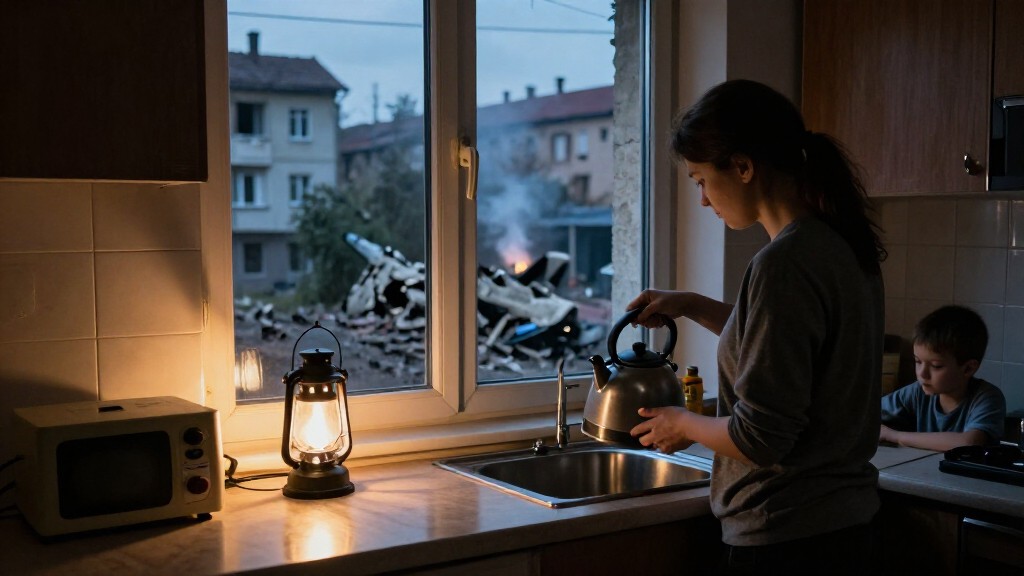
Russian jet-powered drones have significantly increased the frequency of air raids across Ukraine, disrupting daily routines in major cities. Residents in Kharkiv, Dnipro, Odesa, Zaporizhzhia, and Kyiv are adapting by using underground schools, modifying business hours, and ignoring some alerts. Essential services continue operating under constant threat, while healthcare and transportation systems face mounting strain.
Russian air attacks using jet-powered drones have fundamentally altered daily life across Ukraine’s major cities, forcing residents and businesses to adapt to constant air raid sirens and strikes on civilian infrastructure. According to a report by Ukrainska Pravda and Meduza, cities including Kharkiv, Dnipro, Odesa, Zaporizhzhia, and Kyiv are implementing new safety protocols, such as underground schools and modified business hours, to maintain functionality amid the escalating danger.
The introduction of jet-powered drones in late summer 2026 has changed the operational rhythm of Ukrainian cities. Strikes now frequently target factories, warehouses, train stations, and even kindergartens, leading to a normalization of emergency procedures. In Kharkiv, air raid sirens sound approximately 10 times a day. Despite this, factories remain open, and entrepreneurs continue to register new companies. Shopping malls operate during alerts, with some stores renting space in parking areas designated as shelters. Restaurants and stores typically close between 8 and 10 p.m. to mitigate risks during nighttime hours.
In Zaporizhzhia, the impact on industry has been severe. The Zaporizhstal steel plant, the city’s largest employer, ceased operations following missile strikes in September. However, cultural life persists, with theaters and concert halls drawing crowds. Schools have adapted by combining in-person and remote learning, with 10 underground schools established to ensure continuity. Public transportation faces direct threats, with first-person-view drones attacking buses, prompting the use of metal mesh coverings on minibuses in vulnerable areas.
Dnipro has seen air raid alerts increase five times compared to the previous year. While some malls close during threats, others remain open, and shoppers often wait by entrances for alerts to pass. Healthcare facilities have implemented strict protocols, with private clinics requiring liability waivers during alerts. Public clinics suspend services only during red-level missile threats. The city lacks sufficient shelters, leading many residents to rely on the two-wall rule rather than evacuating for every siren.
Resilience Amid Escalating Drone Threats
The adaptation of daily life in these cities demonstrates a significant societal resilience in the face of intensified aerial bombardment. The shift to underground education and modified business hours indicates a long-term acceptance of the threat, suggesting that Ukrainian society is structurally adjusting to a protracted conflict. The continued operation of businesses, despite direct hits and frequent alerts, challenges the expectation that economic activity would collapse under such pressure. This normalization of danger also highlights the psychological toll on residents, who are increasingly ignoring alerts to maintain their livelihoods.
underground school safety supplies
As an affiliate, we earn on qualifying purchases.
As an affiliate, we earn on qualifying purchases.
Shift to Jet-Powered Drone Warfare
The current situation marks a distinct escalation from previous phases of the war. The extensive use of jet-powered drones beginning in late summer 2026 has increased the speed and frequency of attacks, making traditional sheltering methods less effective for every alert. This technological shift has forced a reevaluation of civil defense strategies, moving from sporadic emergency responses to integrated, daily safety protocols. The targeting of diverse infrastructure, from gas stations to shopping malls, reflects a broadening of military objectives to include economic and social disruption.
“Even during an attack, life on the streets carries on at the same pace as long as the strike isn’t too close.”
— Ukrainska Pravda
personal protective equipment for emergencies
As an affiliate, we earn on qualifying purchases.
As an affiliate, we earn on qualifying purchases.
Long-Term Sustainability of Adaptations
It remains unclear how long the current adaptations, such as underground schooling and modified retail operations, can be sustained without significant economic or educational degradation. The strain on the healthcare system, particularly in Kharkiv where surgeons postpone scheduled operations, suggests potential long-term health consequences that are not yet fully quantified. Additionally, the effectiveness of improvised protections, such as metal mesh on buses and cables around gas stations, against evolving drone tactics is uncertain.
As an affiliate, we earn on qualifying purchases.
Continued Adaptation to Aerial Threats
Authorities in these cities are expected to continue refining safety protocols as drone technology evolves. The construction of underground hospital facilities in Kharkiv and the expansion of underground schools in Zaporizhzhia indicate ongoing infrastructure investments aimed at mitigating the impact of future strikes. Residents and businesses will likely face further adjustments as the frequency and intensity of attacks potentially increase, requiring continuous adaptation of daily routines and economic activities.
As an affiliate, we earn on qualifying purchases.
Key Questions
Why are air raid sirens sounding so frequently?
The frequent sirens are due to the extensive use of jet-powered drones by Russian forces, which can strike quickly and frequently, necessitating constant alerts to warn civilians of imminent danger.
How are schools continuing education during attacks?
Many cities, including Zaporizhzhia and Kharkiv, have established underground schools and adopted hybrid models combining in-person and remote learning to ensure educational continuity despite interruptions from air raids.
Are businesses still operating in these cities?
Yes, many businesses remain open, though they have adapted by changing hours, using parking areas as shelters, and accepting risks. Some malls operate during alerts, while others close only during high-threat levels.
What is the two-wall rule?
The two-wall rule is a safety practice where residents seek cover behind two walls to protect against shrapnel and blast waves, used by those who cannot reach a formal shelter quickly during alerts.
Source: rss
Fall Picks
fall essentials
As an affiliate, we earn on qualifying purchases.