
TL;DR

Get everyday essentials delivered free with Prime
- Fast, free delivery on millions of items
- Prime Video, Amazon Music and more included
- Member-only deals all year
Major European powers have publicly reaffirmed their support for Ukrainian President Volodymyr Zelensky after U.S. President Donald Trump suggested Ukraine needs a new leader. German, British, and French officials issued statements backing Zelensky, emphasizing Western unity. Zelensky responded by offering to hold elections within 60 days if a total ceasefire is agreed upon, a proposal Moscow dismissed as a stalling tactic.
European allies have publicly rallied behind Ukrainian President Volodymyr Zelensky following remarks by U.S. President Donald Trump stating that Ukraine needs a new leader. German, British, and French officials issued statements on Sunday and Monday reaffirming their support for Zelensky, signaling a diplomatic rift with Washington over Kyiv’s leadership. The coordinated endorsements highlight growing European anxiety over U.S. policy shifts and aim to present a united Western front despite Trump’s criticism of the Ukrainian president’s wartime decision-making.
German Foreign Minister Johann Wadephul stated that Germany remains firmly on the side of Ukraine and its government, expressing full support for Zelensky as he carries out his “difficult duties.” British Defense Secretary Wes Streeting emphasized that London stands with Zelensky and prioritizes “strong Western unity” in resolve and support for Ukraine. French President Emmanuel Macron also confirmed that Paris will continue to stand by Ukraine and its president, reinforcing the diplomatic consensus among Europe’s largest powers.
The diplomatic backlash followed Trump’s Saturday comments, in which he claimed Zelensky “could’ve made many deals and for some reason he never does,” and asserted it was “time for Ukraine to get a new President.” In response, Zelensky offered to hold new presidential elections without waiting for the war to end, but conditioned this on a 60-day total ceasefire. He stated he would accept whatever choice the Ukrainian people make if given the opportunity to vote.
Trump’s remarks coincided with a separate announcement that Russia and Ukraine had agreed to an “energy ceasefire,” though details remain vague. Zelensky noted that Russian drones struck a power plant in Kharkiv shortly after Trump’s statement, casting doubt on the ceasefire’s effectiveness. Kremlin spokesperson Dmitry Peskov dismissed the idea of a 60-day ceasefire for elections, arguing it would only allow Ukraine to “regroup, heal wounds, and continue the war.”
Fractures in Western Unity Over Kyiv Leadership
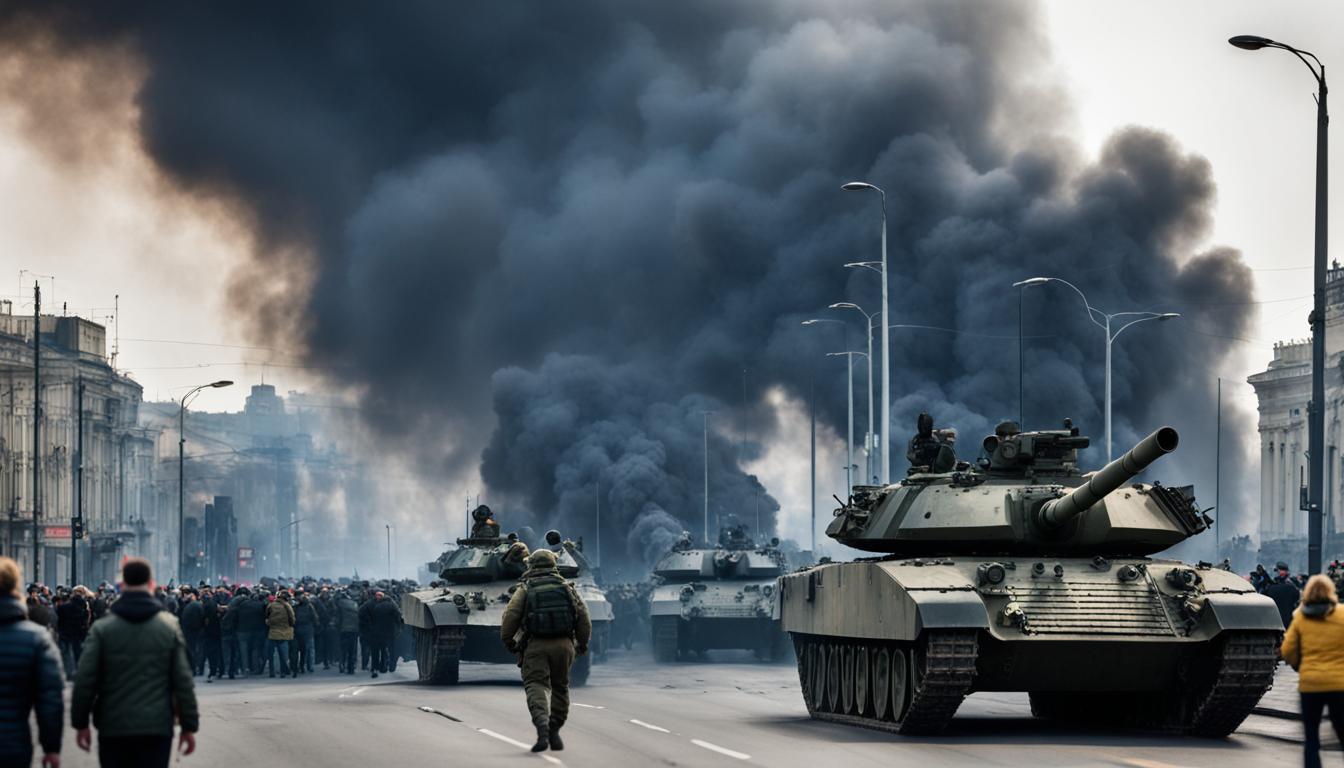
The public divergence between Washington and its key European allies over Ukraine’s leadership marks a significant shift in the geopolitical landscape of the ongoing conflict. For over two years, Western support for Ukraine has relied on a unified stance backing Zelensky as the legitimate wartime leader. Trump’s suggestion of a leadership change introduces uncertainty into military aid packages and diplomatic strategies, potentially emboldening Moscow.
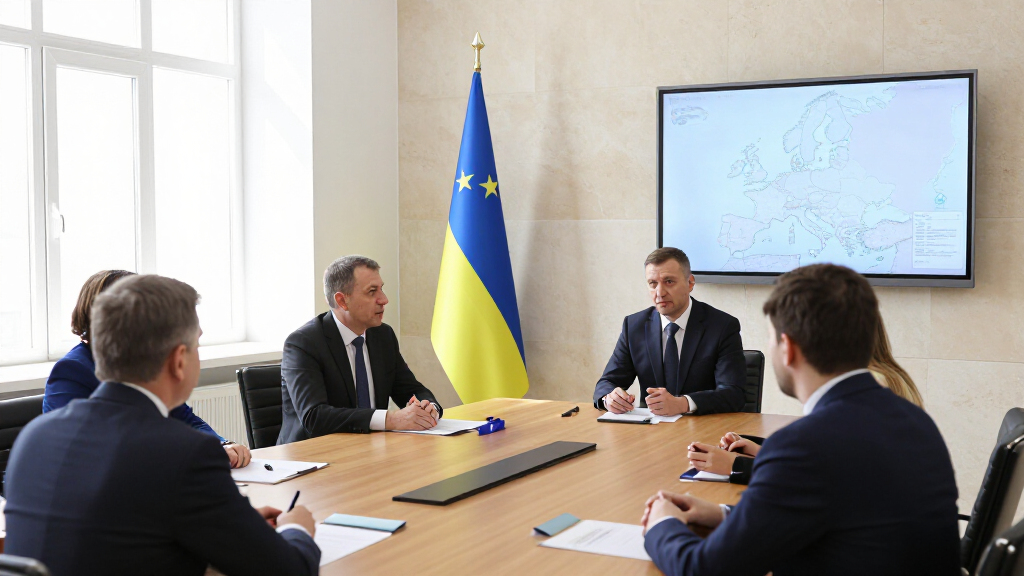
European leaders’ swift and coordinated response serves to insulate Kyiv from external pressure and reassure domestic audiences in Ukraine that their government retains international legitimacy. By explicitly backing Zelensky, Berlin, London, and Paris are signaling that they will not accept U.S. unilateral decisions on Ukraine’s political structure. This standoff complicates any potential peace negotiations, as it creates competing frameworks for resolution: one driven by U.S. pressure for concessions and leadership change, and another by European insistence on Ukrainian sovereignty and current leadership continuity.
As an affiliate, we earn on qualifying purchases.
Escalating Rhetoric and Ceasefire Ambiguities
The friction between Trump and Zelensky has intensified in recent weeks, driven by Trump’s demands that Kyiv cease strikes on Russian oil refineries and a reported deal to ease U.S. sanctions on Russian diesel exports. Trump’s criticism of Zelensky’s refusal to “make deals” reflects a broader skepticism in Washington regarding the war’s trajectory and the cost of continued support.
Meanwhile, the concept of an “energy ceasefire” remains poorly defined. Trump announced on Sunday that such an agreement had been reached, but Zelensky initially stated the news came as a surprise. Although Ukrainian forces later indicated they had received relevant orders, the immediate resumption of Russian drone strikes on Kharkiv suggests the agreement is either fragile or non-existent. The Kremlin has not officially commented on the ceasefire, focusing instead on dismissing the election proposal as a tactical delay by Kyiv.
“Germany remains on the side of Ukraine and its government and fully support the President as he carries out his difficult duties.”
— Johann Wadephul, German Foreign Minister
European Union diplomatic support flags
As an affiliate, we earn on qualifying purchases.
As an affiliate, we earn on qualifying purchases.
Ambiguity Surrounds Energy Ceasefire Terms
It remains unclear what specific terms govern the “energy ceasefire” announced by Trump. While Zelensky stated that Ukrainian forces received orders, he did not specify the nature of these directives or their scope. The immediate Russian strike on a Kharkiv power plant contradicts the premise of a cessation of attacks on energy infrastructure, leaving the operational reality of the agreement in question.
Furthermore, the feasibility of a 60-day total ceasefire required for elections is highly doubtful given the current intensity of combat. Moscow has explicitly rejected the proposal, and there is no indication that Russia would agree to halt all strikes for two months. The lack of official Kremlin commentary on the energy ceasefire adds to the confusion, suggesting that the announcement may have been unilateral or based on preliminary, non-binding discussions.
Ukraine presidential election campaign materials
As an affiliate, we earn on qualifying purchases.
As an affiliate, we earn on qualifying purchases.
Diplomatic Fallout and Military Escalation Risks
Western diplomats are expected to engage in urgent consultations to bridge the gap between U.S. and European positions on Ukraine. The focus will likely shift to clarifying the status of the energy ceasefire and determining whether it can be verified and enforced. If the ceasefire collapses quickly, as initial strikes suggest, European leaders may seek to distance themselves further from Trump’s initiatives.
Militarily, Ukraine has warned it will respond to Russian strikes if the energy ceasefire fails. The coming days will test whether both sides adhere to any informal understandings or if the conflict escalates further. The international community will watch for any formal U.S. policy shifts or additional comments from Trump regarding the legitimacy of the Zelensky government, which could further destabilize the alliance structure.
As an affiliate, we earn on qualifying purchases.
Key Questions
Why did European leaders back Zelensky after Trump’s comments?
European leaders backed Zelensky to maintain Western unity and uphold Ukraine’s sovereignty. They view Trump’s call for a new president as an interference in Ukraine’s internal affairs that could weaken Kyiv’s negotiating position and embolden Russia.
What condition did Zelensky set for holding new elections?
Zelensky stated he is ready to hold new presidential elections, but only if a 60-day total ceasefire is implemented. He argued that free and fair elections cannot be conducted while active combat is ongoing.
What is the ‘energy ceasefire’ mentioned by Trump?
Trump announced that Russia and Ukraine had agreed to an energy ceasefire, implying a halt to attacks on energy infrastructure. However, the terms are undefined, and Russian strikes on Ukrainian power plants continued shortly after the announcement, casting doubt on its validity.
How did Russia respond to the proposal for new elections?
Kremlin spokesperson Dmitry Peskov dismissed the proposal, claiming Zelensky would use the 60-day pause to “regroup, heal wounds, and continue the war” rather than to conduct genuine elections. Moscow has not agreed to the ceasefire required for such a vote.
Source: rss
Halloween Picks
halloween
As an affiliate, we earn on qualifying purchases.