
TL;DR

Get everyday essentials delivered free with Prime
- Fast, free delivery on millions of items
- Prime Video, Amazon Music and more included
- Member-only deals all year
Lockheed Martin’s Skunk Works has successfully integrated Guam’s missile defense systems into a unified network, improving command and control capabilities. The development aims to strengthen regional security amidst evolving threats.
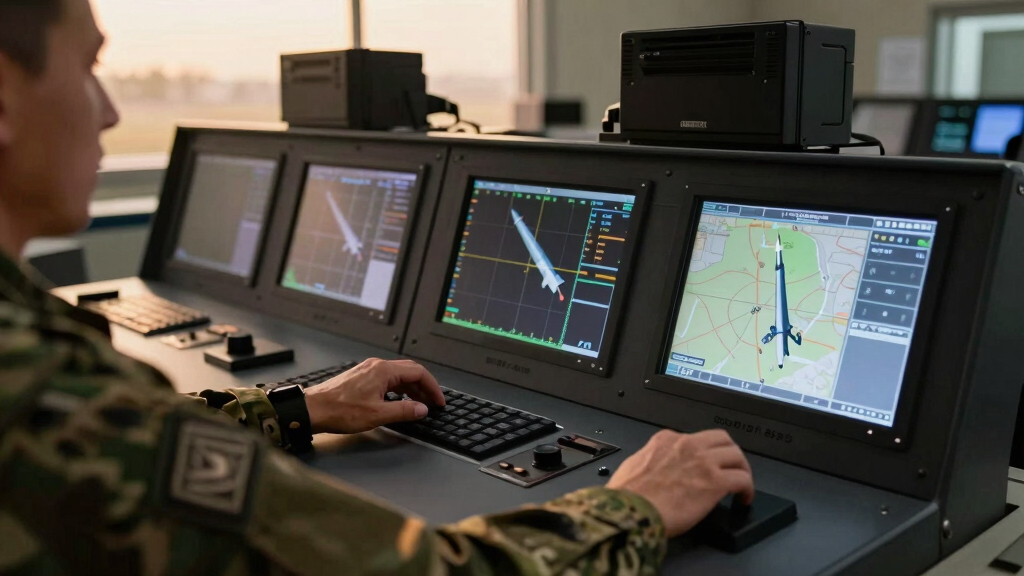
Lockheed Martin’s Skunk Works has completed the integration of Guam’s missile defense systems into a unified command and control network, significantly enhancing regional missile defense coordination. This development, confirmed by Lockheed officials, aims to improve response times and situational awareness in the Indo-Pacific region amid rising security challenges.
According to Lockheed Martin, the project involved connecting multiple missile defense sensors, radars, and command centers across Guam into a single, cohesive network. This unification allows for real-time data sharing and faster decision-making during missile threats. The effort is part of broader U.S. military modernization initiatives in the Indo-Pacific, designed to counter increasing regional missile activity.
Officials from Lockheed Martin confirmed that the system leverages advanced command-and-control technology developed by Skunk Works, the company’s advanced development division. The project reportedly completed testing and operational deployment in early March 2024, with the system now fully integrated into Guam’s existing defense architecture.
Enhanced Regional Missile Defense Coordination
This unification significantly boosts Guam’s missile defense capabilities, enabling faster and more coordinated responses to potential threats. It also demonstrates the U.S. military’s ongoing efforts to modernize its regional defense infrastructure amid rising tensions in the Indo-Pacific. The integration could serve as a model for future missile defense networks in other strategic locations, potentially influencing regional security dynamics and deterrence strategies.
As an affiliate, we earn on qualifying purchases.
Guam’s Strategic Role and Defense Modernization
Guam has long been a critical U.S. military hub in the Indo-Pacific, serving as a forward operating base for missile defense, airpower, and naval operations. Over the past few years, the U.S. has prioritized modernizing its missile defense systems on Guam in response to increased missile tests and threats from regional actors such as North Korea and China. The recent unification project by Lockheed Martin builds on previous upgrades, including the deployment of advanced radar and missile interceptors.
Lockheed’s Skunk Works has historically been responsible for cutting-edge defense technologies, and its involvement signals a focus on integrating complex systems for improved operational effectiveness. The project aligns with broader U.S. defense strategies aimed at strengthening deterrence and rapid response capabilities in the Pacific region.
“This unification enhances Guam’s missile defense response times and situational awareness, providing a more resilient and coordinated defense posture.”
— Lockheed Martin spokesperson
As an affiliate, we earn on qualifying purchases.
Details on System Capabilities and Future Upgrades
While the system has been confirmed as operational, specific technical details about the full capabilities of the unified network remain classified. It is unclear whether additional upgrades or expansions are planned for the near future, or how this system integrates with other regional missile defense assets operated by allies or partners.
command and control defense technology
As an affiliate, we earn on qualifying purchases.
As an affiliate, we earn on qualifying purchases.
Next Steps in Guam’s Missile Defense Modernization
Following the successful deployment, the U.S. military is expected to monitor system performance and conduct regular drills to ensure operational readiness. Further upgrades or integration efforts may be announced as part of ongoing regional security initiatives. Additionally, observers anticipate that the system will serve as a blueprint for similar projects elsewhere in the Indo-Pacific.
military missile detection equipment
As an affiliate, we earn on qualifying purchases.
As an affiliate, we earn on qualifying purchases.
Key Questions
What systems are now integrated into Guam’s missile defense network?
According to Lockheed Martin, the network includes multiple sensors, radars, and command centers across Guam, integrated into a single command and control system. Specific system names and technical details are classified.
How does this unification improve Guam’s missile defense?
The integration allows for real-time data sharing and quicker decision-making, leading to faster response times and improved situational awareness during missile threats.
Will this system be accessible to allies or partner nations?
Currently, the system is operated by U.S. military forces. There has been no official confirmation of sharing or joint operations with allies, but future cooperation could be considered.
Are there plans for further upgrades or expansions?
While specific future plans are not publicly detailed, defense officials suggest ongoing monitoring and potential upgrades as part of broader modernization efforts in the Indo-Pacific.
Source: google-trends
Halloween Picks
halloween
As an affiliate, we earn on qualifying purchases.