By 2025, your transportation options will radically evolve with hyperloops, flying cars, and autonomous delivery systems. Expect electric flying taxis to soar above city traffic, reducing congestion and travel time. Hyperloop systems will offer ultra-fast travel between major cities, while autonomous vehicles will be safer and more efficient. These innovations are creating a seamless, sustainable transportation network that impacts daily life profoundly. Keep exploring to discover how these cutting-edge solutions will transform your future journeys.
Key Takeaways
- Urban air mobility with electric eVTOLs and flying taxis will become common, reducing ground traffic congestion by 2025.
- Autonomous freight vehicles and delivery drones will enhance logistics, offering faster, safer, and eco-friendly transportation options.
- An integrated ecosystem will connect air and ground transportation, enabling seamless deliveries and commutes within cities.
- Electric and autonomous vehicles will significantly cut pollution, improve urban air quality, and promote sustainable mobility.
- Future transportation will be more interconnected, automated, faster, and environmentally sustainable, transforming daily travel and logistics.

Have you ever wondered what transportation will look like in the near future? As technology advances rapidly, the way we move around is set to change dramatically by 2025. One of the most exciting developments is urban air mobility, where electric vertical takeoff and landing vehicles, or eVTOLs, become commonplace in city skies. These flying taxis will reduce ground traffic congestion and offer faster, more direct routes across urban landscapes. You might find yourself hopping into a sleek drone-like craft to get to work or meet friends, avoiding gridlock on busy streets. This shift isn’t just about convenience; it’s about transforming urban living by freeing up ground space and cutting down on pollution caused by traditional vehicles.
By 2025, urban air mobility will transform city travel with electric flying taxis reducing congestion and pollution.
Alongside urban air mobility, autonomous freight is revolutionizing how goods move within cities and beyond. Imagine packages and supplies being transported seamlessly by self-driving trucks or delivery drones, all without human intervention. This technology promises faster delivery times, lower costs, and increased safety, as autonomous vehicles are equipped to eliminate human error. If you’re waiting for an online order, chances are it’s already on an autonomous freight vehicle making its way to you. Companies are investing heavily in these systems, which can operate around the clock, ensuring goods flow smoothly even during off-hours. This not only boosts efficiency but also reduces the environmental footprint, as autonomous freight vehicles are often electric and optimized for energy use.
Looking further ahead, autonomous freight and urban air mobility will intertwine, creating a holistic ecosystem where transport is safer, smarter, and more sustainable. Imagine a future where your groceries are delivered by autonomous drones directly to your balcony, while you commute in a quiet, electric urban air mobility craft above traffic jams. These innovations will reshape how cities handle transportation, making it more efficient and less intrusive. You’ll notice fewer cars clogging the streets, cleaner air, and shorter travel times. The integration of autonomous freight with urban air mobility will also streamline logistics, reducing delays and minimizing disruptions caused by accidents or roadworks. Additionally, the use of cold-pressed vegetable juices and other nutrient-rich beverages in daily routines highlights how health-conscious choices are becoming more accessible, supporting overall well-being in this rapidly evolving world.
In essence, by 2025, the future of transportation is set to become more interconnected and automated. Urban air mobility and autonomous freight aren’t just buzzwords—they’re the building blocks of a more efficient, sustainable, and exciting way to get around. As these technologies mature and become more widely adopted, you’ll experience a world where moving from point A to point B is faster, safer, and more eco-friendly than ever before. The horizon is bright, and the way we travel is about to change forever.
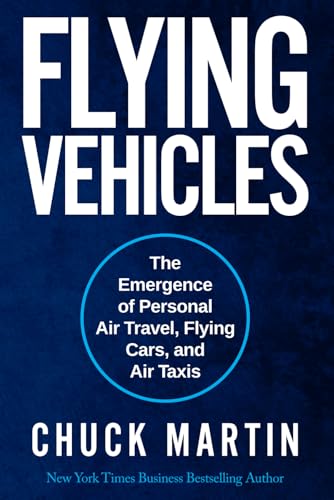
Flying Vehicles: The Emergence of Personal Air Travel, Flying Cars, and Air Taxis
As an affiliate, we earn on qualifying purchases.
As an affiliate, we earn on qualifying purchases.
Frequently Asked Questions
What Safety Measures Are in Place for Hyperloop Travel?
You’re protected with extensive safety measures like emergency protocols that activate instantly if issues arise. The hyperloop system also features multiple redundancies, ensuring that if one component fails, others take over seamlessly. Regular safety drills are conducted, and sensors constantly monitor for potential problems. These layers of safety help you travel securely, giving you peace of mind knowing the system prioritizes your safety at every step.
How Affordable Will Flying Cars Be for the Average Consumer?
Ever wonder if flying cars will truly be within your reach? They’re expected to become more affordable as manufacturers focus on cost reduction and expanding market accessibility. While prices may initially be high, mass production and technological advances should lower costs over time. So, in the future, you might find flying cars not just a luxury, but a practical, accessible mode of transport for everyday travel.
What Environmental Impacts Will These New Transport Systems Have?
You’ll find that these new transport systems could reduce emissions if powered by renewable energy, helping combat climate change. However, they might also cause habitat disruption during construction and operation, impacting local ecosystems. It’s essential to balance innovation with environmental responsibility, ensuring that advancements in hyperloop and flying cars minimize habitat disruption and prioritize renewable energy sources for a cleaner, sustainable future.
How Will Infrastructure Adapt to Support Hyperloop and Flying Cars?
Like Da Vinci sketching future visions, you’ll see infrastructure evolve with smart urban planning and seamless technological integration. Cities will adapt by creating dedicated Hyperloop corridors and vertiports for flying cars, intertwining these systems into existing transit networks. This transformation requires innovative design, modernization of transport hubs, and robust digital infrastructure, ensuring your journey becomes faster, safer, and more efficient, blending the old with the new in a symphony of progress.
What Regulatory Challenges Could Hinder Next-Gen Transportation Deployment?
You’ll face policy hurdles and unclear legal frameworks that could slow deployment of next-gen transportation. Regulators might struggle to keep up with rapid tech advances, creating delays and uncertainty. Ensuring safety, establishing standards, and coordinating across jurisdictions will be essential. If policymakers don’t adapt quickly, these legal and policy challenges could hinder innovation and limit how soon you experience the benefits of hyperloop, flying cars, and other future transport modes.

Autonomous Delivery Drone Battery Management: Power System Optimization That Extends Flight Range
As an affiliate, we earn on qualifying purchases.
As an affiliate, we earn on qualifying purchases.
Conclusion
As you look ahead to 2025, the future of transportation promises exciting innovations that could gently reshape how you move. While some marvels may seem just beyond reach, they serve as a reminder that progress often takes subtle steps, guiding us toward a more seamless and efficient travel experience. Embrace the journey, knowing that even the most ambitious ideas are quietly steering us toward a smarter, more connected world—one gentle leap at a time.

Important Innovations: Transportation: Exciting Innovations Changing Your Future (Latest travel innovations including flying cars, hyperloops & hypersonic jets)
As an affiliate, we earn on qualifying purchases.
As an affiliate, we earn on qualifying purchases.

The Economics of Urban Transportation
As an affiliate, we earn on qualifying purchases.
As an affiliate, we earn on qualifying purchases.

Elena’s passion for the arts and culture shines through in her vivid reporting. From film festivals to gallery openings, her coverage is an essential source for anyone interested in the latest cultural trends and artistic movements.