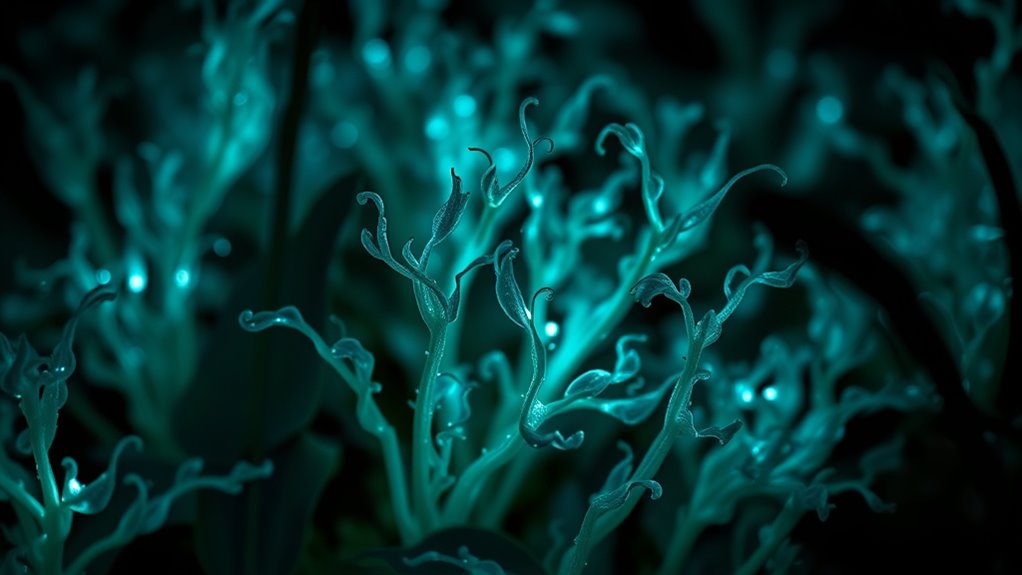

Bioluminescent plants glow in the dark through a natural chemical process involving specialized proteins and enzymes called luciferases, which produce light when interacting with molecules known as luciferins. These plants can generate their own soft, green or blue light without external power, thanks to genetic modifications that insert genes from luminous fungi or marine creatures. This fascinating process is still being studied to improve brightness and stability, so explore further to uncover how scientists are harnessing these glowing secrets.

Get everyday essentials delivered free with Prime
- Fast, free delivery on millions of items
- Prime Video, Amazon Music and more included
- Member-only deals all year
Key Takeaways
- Bioluminescent plants produce light through chemical reactions involving luciferase enzymes and luciferin molecules.
- Genetic modification introduces genes from glowing organisms to enable plants to glow naturally.
- The bioluminescent process in plants mimics natural mechanisms found in fungi and marine creatures.
- Advances in biotechnology enhance brightness, stability, and customization of the glow in genetically engineered plants.
- Bioluminescent plants offer sustainable, natural lighting alternatives, combining biology and innovation for aesthetic and practical uses.
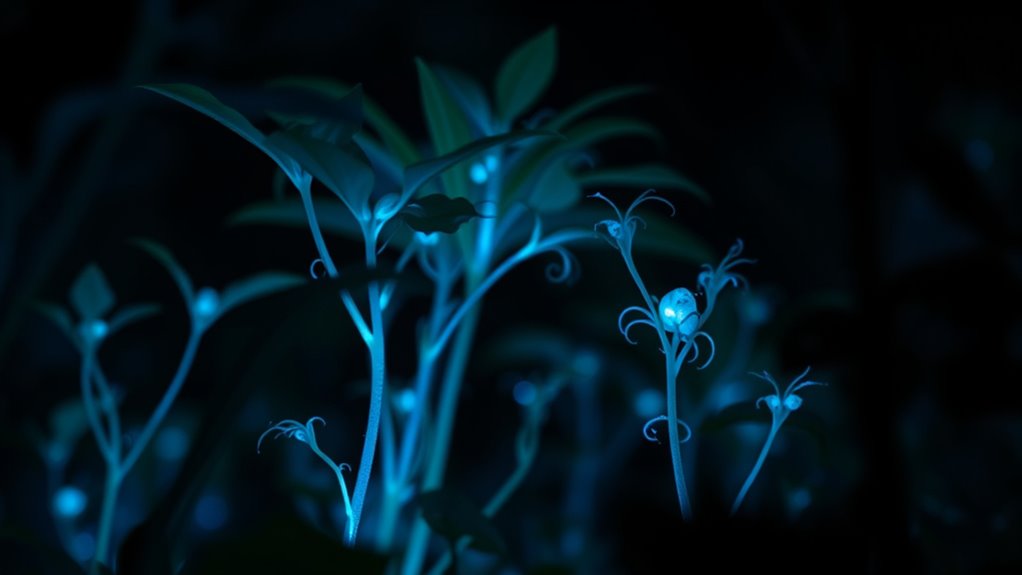
Glowing plants, also known as bioluminescent plants, produce light through naturally occurring chemical reactions within their cells. This fascinating process involves special proteins and enzymes that enable them to emit light without any external source. At the heart of this phenomenon are bioluminescent enzymes, which catalyze the chemical reactions necessary for light production. These enzymes, such as luciferases, interact with specific molecules called luciferins, resulting in a glow that can range from soft green to blue hues. The ability of plants to glow naturally is incredibly rare, but scientists have harnessed this biology through advanced techniques like genetic modification to create plants that glow more vividly and reliably. Research into the biological mechanisms of bioluminescence has expanded our understanding of how these natural processes can be manipulated for practical uses. Understanding these biological processes has also helped scientists improve the stability and brightness of the glow. Additionally, studying the evolution of bioluminescence offers insights into how these traits have developed across different species.
Bioluminescent enzymes enable glowing plants through natural chemical reactions within their cells.
Genetic modification plays a vital role in developing glowing plants. Researchers insert genes encoding bioluminescent enzymes from naturally glowing organisms—like certain fungi or marine creatures—into the plant’s DNA. This process allows the plant to produce the enzymes and molecules needed for bioluminescence autonomously. Once integrated, the plant’s cells begin to express these foreign genes, resulting in the production of bioluminescent enzymes and subsequent light emission. You might imagine this as giving the plant a kind of biological flashlight, where the glow is an intrinsic feature rather than a temporary or external addition. The ability to modify plants genetically opens up numerous possibilities, from creating sustainable lighting sources to developing new aesthetic applications. Additionally, understanding the biology of bioluminescence helps researchers improve the efficiency and stability of the glow.
As an affiliate, we earn on qualifying purchases.
Frequently Asked Questions
Can Glowing Plants Be Used as Sustainable Lighting Sources?
You might wonder if glowing plants can serve as sustainable lighting sources. Bioluminescent urban and sustainable garden projects explore this idea, showing promise for eco-friendly illumination. While they currently produce less light than conventional sources, advances could make them more practical. Using glowing plants reduces energy consumption and minimizes environmental impact, making them a fascinating, innovative option for future sustainable lighting solutions in urban and garden settings.
Are There Health Risks Associated With Handling Bioluminescent Plants?
Handling bioluminescent plants might seem harmless, but don’t underestimate the risks! While toxicity concerns are generally low, some plants could cause allergic reactions or skin irritation if you touch them without precautions. You might imagine glowing plants as totally safe, yet it’s wise to wear gloves and wash your hands afterward. Always research specific species, because even glowing greenery can hide potential health hazards.
How Long Do the Glow Effects Last in These Plants?
You’re curious about how long the glow effects last in bioluminescent plants. The bioluminescent duration varies depending on the species and environmental conditions, but generally, you can expect the glow longevity to last from a few hours up to several days. Factors like light exposure, water, and nutrients influence this. To enjoy the glow longer, keep the plants in ideal conditions, and you’ll maximize their bioluminescent display.
Can Glowing Plants Be Genetically Modified for Different Colors?
Imagine a rainbow blooming in your garden—glowing plants can be genetically customized for different colors, turning your space into a vibrant canvas. With advancements in genetic modification, you can achieve impressive color versatility, from soft blues to fiery reds. You have the power to influence their glow, making these luminous plants truly personalized. This innovation opens new horizons for gardeners, blending science and art in a dazzling display of nature’s potential.
Do Glowing Plants Emit Any Harmful Chemicals or Toxins?
You might wonder if glowing plants emit harmful chemicals. Generally, these plants are designed to mitigate toxicity concerns, and they don’t produce dangerous chemical emissions. However, safety varies depending on the genetic modifications used. It’s essential to guarantee that no toxic substances are involved in their development. While most glow-in-the-dark plants are safe, always stay informed about any potential chemical emissions or toxicity concerns associated with specific genetically modified varieties.
As an affiliate, we earn on qualifying purchases.
Conclusion
Now that you know the fascinating biology behind glowing plants, it’s clear they’re more than just pretty lights—they’re nature’s little miracles. As you marvel at their glow, remember that science is constantly uncovering new wonders hiding in plain sight. With each discovery, you realize that nature’s secrets are often right under your nose, waiting for you to look a little closer. Keep your eyes open, because there’s always more than meets the eye in the world of plants.
genetically modified glowing plants
As an affiliate, we earn on qualifying purchases.
As an affiliate, we earn on qualifying purchases.
bioluminescent plant growing kit
As an affiliate, we earn on qualifying purchases.
As an affiliate, we earn on qualifying purchases.
Halloween Picks
halloween
As an affiliate, we earn on qualifying purchases.