
TL;DR

Get everyday essentials delivered free with Prime
- Fast, free delivery on millions of items
- Prime Video, Amazon Music and more included
- Member-only deals all year
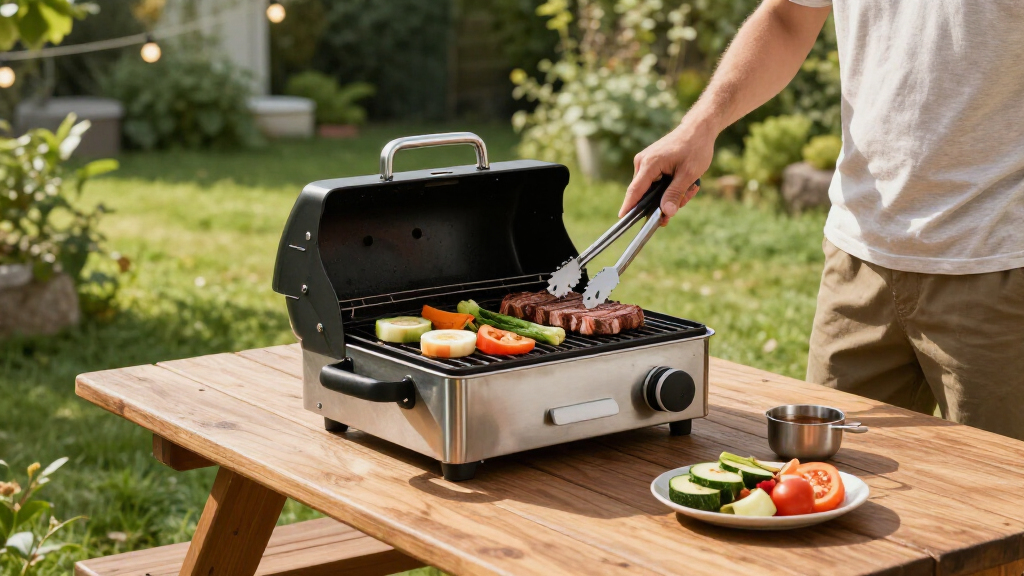
Portable outdoor grills are versatile, compact cooking tools perfect for camping, tailgating, and small spaces. The best choice hinges on fuel type, size, weight, and safety features, not just BTUs or brand names.
Imagine firing up a grill on a breezy beach or in a tight campsite. The challenge isn’t just about size—it’s about choosing a model that balances power, portability, and safety. Portable outdoor grills have become must-have gear for anyone who loves grilling on the go, but not all are created equal.
In this guide, you’ll learn what really matters when selecting a portable grill. From fuel types and size to safety tips and market trends, you’ll get the info you need to pick a model that fits your adventures and your budget.
Choose your fuel type carefully—propane offers quick, clean cooking, while charcoal adds smoky flavor but takes longer to heat.
Size and weight are more critical than BTUs; match your grill to your trip’s demands—hiking, camping, or tailgating.
Safety and maintenance are vital—regularly check for leaks, clean after each use, and never operate inside enclosed spaces.
Recent innovations like foldable designs and digital controls make portable grills more versatile and user-friendly.
Always verify local rules before grilling—balconies, beaches, and parks often have restrictions on open flames and charcoal use.
What’s the Best Fuel Type for Your Portable Grill?
Choosing the right fuel makes all the difference in how easy, quick, and flavorful your grilling sessions will be. Propane is the most popular, thanks to its quick ignition and precise heat control. It’s perfect for tailgating or quick camping meals.
Charcoal offers that smoky, traditional flavor—think backyard BBQ at the mountain’s edge—but takes longer to heat up and creates ash that needs cleanup. It’s great if you love the ritual of lighting coals and savoring the flavor.
Electric grills are clean and smoke-free, ideal for balconies or places with strict fire rules. But they depend on a power source, which can be limiting if you’re off-grid.
Pellet grills bring wood-smoke flavor with the convenience of temperature control—perfect for slow-cooked ribs or smoked fish. However, most portable pellet models are heavier and require electricity, which may not suit every trip.
Wood or biomass options are less common but appeal to rustic cooks who want renewable fuel—think small campfires with wood chips. Local restrictions and smoke concerns might limit their use.
Understanding the implications of each fuel type helps you decide based on your priorities: convenience, flavor, or environmental impact. For example, propane offers quick, consistent heat but relies on disposable cylinders, which might be less eco-friendly. Charcoal provides authentic smoky flavor but demands more effort and cleanup, which could be a tradeoff if convenience is your goal. Electric grills eliminate fumes and mess but require access to power, limiting their use off-grid. Pellet grills combine flavor with automation but add weight and complexity, making them suitable for specific trips. Recognizing these tradeoffs ensures your choice aligns with your outdoor cooking style and environment, ultimately enhancing your grilling experience.
portable propane grill for camping
As an affiliate, we earn on qualifying purchases.
As an affiliate, we earn on qualifying purchases.
How to Pick a Portable Grill That Fits Your Space and Needs
Size isn’t just about physical dimensions; it’s about cooking capacity and convenience. A compact grill might fit in your backpack but could limit how many burgers or skewers you can cook at once.
Think about how many people you usually feed. Two or four? Do you want to cook for a crowd or just a solo adventure? Measure the cooking area—roughly 200 square inches can serve 4 people comfortably, but more space means more flexibility.
Weight matters just as much. A 10-pound tabletop grill is perfect for hiking, but a 30-pound wheeled model suits car camping and tailgating better. Handles, folding legs, and locking lids make packing easier.
Heat output can be deceiving. A 10,000 BTU propane burner might sound powerful, but wind and lid design influence cooking performance more than raw numbers. Look for adjustable controls and wind-resistant features.
Build quality ensures safety and longevity. Rust-resistant coatings, sturdy hinges, and heat-resistant handles aren’t just luxury—they’re essentials for outdoor durability.
Understanding how these factors interplay allows you to select a grill that suits your specific needs. For example, if you’re backpacking, weight and size become critical, but if you’re tailgating, durability and heat output might take precedence. Recognizing the importance of these details helps prevent buyer’s remorse and ensures your grill performs reliably in your chosen environment.
compact charcoal grill for tailgating
As an affiliate, we earn on qualifying purchases.
As an affiliate, we earn on qualifying purchases.
Comparison Table: Portable Grill Features at a Glance
| Feature | Propane | Charcoal | Electric | Pellet |
|---|---|---|---|---|
| Ease of ignition | Fast, push-button | Requires lighting and time | Instant with switch | Requires ignition but automated controls available |
| Flavor profile | Neutral, clean | Smoky, rich | Neutral, clean | Wood-smoke flavor |
| Portability | Light to medium, depends on size | Light to heavy, depends on material | Light, depends on design | Heavier, needs power |
| Cleaning | Minimal | Ash cleanup required | Easy, just wipe | Grease management systems help |
| Fuel availability | Refillable & disposable cylinders | Charcoal/briquettes | Electric power | Pellets, requires hopper and power |
electric portable grill for balcony
As an affiliate, we earn on qualifying purchases.
As an affiliate, we earn on qualifying purchases.
How to Keep Your Portable Grill Safe and Well-Maintained
Safety starts with proper setup—always use your grill on a stable, noncombustible surface, away from overhanging branches or flammable materials. When you’re done, let it cool completely before packing it away.
For propane models, check hoses and regulators for leaks regularly. A simple soap-and-water test will reveal bubbles if there’s a leak. Always store cylinders upright, secured, and away from direct sunlight or heat sources.
Cleaning is vital. Remove grease and food debris after each use. Use a wire brush on cast iron or stainless steel grates, and clean drip trays and grease catchers to prevent flare-ups and odors. For ash or charcoal, wait until everything is cold before disposal. Never dump hot ash in trash cans—use a metal container and let it sit for 24 hours.
Inspect hinges, handles, and latches periodically. Replace worn parts promptly. A well-maintained grill not only lasts longer but also cooks more evenly and safely.
Remember, never operate your grill inside tents, vehicles, or enclosed spaces—carbon monoxide risks are real. Always follow local fire restrictions, especially during wildfire season.
Understanding proper maintenance routines and safety precautions is crucial because neglecting these can lead to accidents, fires, or reduced grill lifespan. Regular inspections and cleaning prevent buildup that can cause flare-ups or mechanical failures, ensuring your outdoor cooking remains safe and enjoyable.
As an affiliate, we earn on qualifying purchases.
Latest Trends Making Portable Grills Better Than Ever
Design innovation is turning portable grills into multi-tasking marvels. Many now fold or collapse into compact sizes, with locking lids and built-in handles—think of it as a suitcase that also grills. Some models are so small they fit into a backpack, perfect for hikers.
Temperature control has improved dramatically. Digital thermometers, dual burners, and precise regulators allow for indirect cooking and roasting, expanding what you can do outdoors.
Pellet grills are gaining popularity, bringing smoky flavor and automation in a portable package—though they tend to be heavier and need power, making them ideal for car camping or RV trips.
Battery-powered systems and portable power stations now drive electric and pellet grills, making off-grid cooking easier than ever. Plus, hybrid models with reversible plates let you switch between grilling and griddling—perfect for breakfast, lunch, or dinner.
Smart tech is creeping in—wireless meat probes, app control, and real-time temperature alerts help you manage your cook from a distance, reducing the risk of overcooking or flare-ups.
Fuel options are evolving too. Refillable propane cylinders and adapters are reducing waste and simplifying refills, especially in remote areas where disposable bottles aren’t ideal.
Overall, today’s portable grills blend convenience, performance, and sustainability, making outdoor cooking more accessible and enjoyable than ever.
What You Need to Know Before Buying a Portable Grill
Before clicking “buy,” consider where you’ll be using your grill most often. Will you camp in the mountains, tailgate at football games, or grill on a small balcony? Each scenario demands different features.
Think about fuel compatibility—do you prefer quick, clean propane, smoky charcoal, or electric convenience? Also, consider how much cooking space you need. A small 150-square-inch grill might be perfect for solo outings but limits group cooking.
Weight and portability are key. A 10-pound tabletop is great for hikers; a 50-pound wheeled model suits car campers and tailgaters. Check if the grill folds, locks, or has handles for easy packing.
Safety features matter. Look for cool-touch handles, secure lids, and stable legs. Also, verify local rules—many parks and beaches restrict charcoal or open flames, favoring electric or propane options.
Durability counts. Rust-resistant coatings, sturdy hinges, and quality grates ensure your grill withstands outdoor elements. And don’t forget maintenance—removable grease trays and easy-to-clean surfaces save time and effort.
Considering these factors helps you avoid costly mistakes and ensures your grill matches your outdoor lifestyle, whether it’s rugged camping or urban balcony grilling. Making an informed decision means your grill will serve you well across various adventures, providing reliable performance and safety.
Your Burning Questions About Portable Grills, Answered
What is the best type of portable grill? It depends on your needs. Propane is quick and clean, charcoal offers smoky flavor, electric is fuss-free, and pellet grills bring slow-cooked smoke. Choose based on convenience, flavor preference, and fuel access.
How much cooking space do I need? For two people, about 150-200 sq inches suffices. For four, aim for 200-300 sq inches. For larger groups, look for models with 400+ sq inches. Selecting the right size ensures everyone gets a turn without crowding, and prevents food from cooking unevenly.
How long does a 1-pound propane cylinder last? Usually 1-2 hours at high heat, but this varies with BTU output and cooking style. For longer trips, refillable tanks or multiple cylinders are recommended to avoid running out mid-cook.
Can I use a portable grill on my balcony? Yes, but check local regulations. Electric models are often permitted where flame-based grills are banned. Always verify building rules and fire codes, as violations can lead to fines or safety hazards.
How do I prevent grease leaks during transport? Remove grease trays, let everything cool, and secure lids tightly. Using a grease catch pan that snaps into place helps contain spills and odors, maintaining safety and cleanliness when moving your grill.
Frequently Asked Questions
What is the best type of portable grill: propane, charcoal, electric, or pellet?
It depends on your priorities. Propane offers quick, clean cooking; charcoal provides authentic smoky flavor; electric grills are hassle-free and suitable for balconies; pellet grills give smoky taste with automation. Match your choice to your usual outdoor setting and flavor preferences.How much cooking space is needed for two, four, or six people?
For two people, 150-200 sq inches typically works. For four, aim for 200-300 sq inches. For six or more, consider models with 400+ sq inches to ensure everyone gets their share without crowding.How many BTUs should a portable gas grill have?
While higher BTUs can suggest more heat, they don’t guarantee better cooking. Most portable grills with 8,000 to 12,000 BTUs provide sufficient power for small groups. Focus instead on wind resistance, heat distribution, and lid quality for real performance.Can a portable grill cook steaks as well as a full-size grill?
Yes, if the grill has enough heat and a decent cooking area—around 150-200 sq inches. Proper heat control and good grates make a noticeable difference in searing and browning, even on a compact model.Are refillable propane cylinders safe and legal?
Yes, refillable cylinders are safe if used and stored properly. They’re legal in most areas, but always transport them upright, secured, and away from heat. Check local regulations before use.Conclusion
Your perfect portable grill isn’t just about size or power. It’s about matching features to your adventures—whether you’re flipping burgers on a mountain trail or roasting veggies on a balcony. Think safety, convenience, and fuel type, then grill with confidence.
Remember, the right grill will turn any outdoor space into a mini backyard, wherever you are. Fire it up, enjoy the aroma, and make every trip a memorable cookout—no matter how far from home.
Columbus Day / Indigenous Peoples' Day Picks
long weekend sales
As an affiliate, we earn on qualifying purchases.