

Dry winter air can cause your skin to become flaky, itchy, and tight, making you uncomfortable and disrupting your sleep. It also dries out your nasal passages and throat, leading to congestion, sore throats and difficulty breathing. This dryness can worsen allergy symptoms and make falling or staying asleep harder. Keeping humidity levels balanced helps prevent these issues and promotes better sleep, healthier skin, and clearer sinuses. To learn how to manage this, keep exploring the effects and solutions.

Get everyday essentials delivered free with Prime
- Fast, free delivery on millions of items
- Prime Video, Amazon Music and more included
- Member-only deals all year
Key Takeaways
- Dry winter air depletes skin moisture, causing dryness, flakiness, and irritation, which can disrupt sleep comfort.
- It dries out mucous membranes, leading to nasal congestion, sore throat, and difficulty breathing during sleep.
- Low humidity increases allergy symptoms and airborne germs, worsening sinus issues and respiratory health.
- Dry air causes lips to chap and eyes to irritate, making it harder to fall asleep and stay comfortable overnight.
- Maintaining proper humidity levels helps improve skin hydration, respiratory ease, and overall sleep quality during winter.
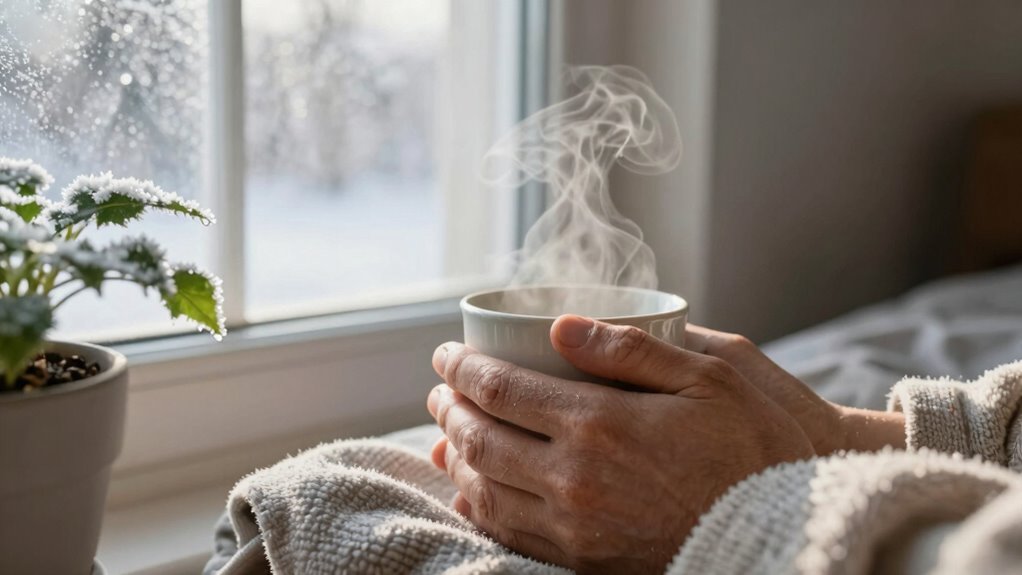
During winter, dry air can considerably impact your health and comfort, especially when you’re trying to sleep, maintain healthy skin, or breathe easily. The lower indoor humidity levels that come with cold weather often make the air feel crisp but can also strip moisture from your body. When indoor humidity drops, your skin loses hydration, leading to dryness, flakiness, and irritation. You might notice your skin feels tighter or becomes itchy, which can be uncomfortable, especially overnight. To combat this, using a humidifier can help maintain ideal indoor humidity, making the air gentler on your skin.
Dry air also worsens your respiratory comfort. Breathing in dry air can dry out your mucous membranes in your nose and throat, making it harder to clear out irritants or pathogens. This often results in a stuffy nose or sore throat, which can disturb your sleep. If you suffer from seasonal allergies, dry winter air can intensify your symptoms. The lack of moisture can cause your nasal passages to become inflamed and more sensitive to allergens like dust, pet dander, or mold. This aggravates allergy symptoms, leading to sneezing, congestion, and a constant feeling of nasal irritation. Maintaining proper indoor humidity levels, ideally between 30-50%, can help soothe these symptoms by keeping your mucous membranes moist and more resistant to allergens. Additionally, humidity levels directly influence how comfortable and healthy your breathing feels. Ensuring adequate indoor humidity can also prevent the spread of airborne germs and reduce static electricity, further enhancing your indoor comfort. Studies show that air quality is significantly affected by humidity, impacting overall health and well-being. Proper humidity also supports skin health, preventing dryness and irritation caused by dry air.
Sleep quality takes a hit when the air around you is dry. As your skin becomes parched and your nasal passages dry out, you may find yourself waking up more frequently during the night. Breathing becomes more difficult, and discomfort from dry skin can distract you from restful sleep. Plus, if your bedroom air is too dry, it can cause your lips to chap and your eyes to become irritated, further disrupting your sleep cycles. Using a humidifier not only helps with skin hydration but also encourages smoother breathing, making it easier to fall asleep and stay asleep through the night.
As an affiliate, we earn on qualifying purchases.
Frequently Asked Questions
Can Dry Winter Air Cause Long-Term Respiratory Issues?
Dry winter air can contribute to long-term respiratory issues if indoor humidity drops too low, affecting your air quality. When indoor humidity is inadequate, your airways become dry and irritated, increasing vulnerability to infections and inflammation. Over time, this can lead to chronic respiratory problems. To protect yourself, maintain ideal indoor humidity levels and improve air quality with humidifiers, ensuring your respiratory health stays protected throughout winter.
How Does Dry Air Impact Allergy Symptoms During Winter?
Dry winter air worsens allergy symptoms by causing nasal congestion and itchy eyes. It dries out your nasal passages, making it harder to breathe and trapping allergens. Your eyes become irritated and itchy because of the low humidity, which also dries the tear film. To ease these symptoms, use a humidifier, stay hydrated, and consider allergy medications. These steps help keep your nasal passages moist and reduce discomfort.
Are There Specific Skin Conditions Worsened by Dry Winter Air?
Yes, dry winter air can worsen skin conditions like eczema and psoriasis, making your winter skin feel rough, itchy, and inflamed. As the air dries out your skin, you might notice increased flakiness and irritation. To combat this, focus on dryness relief by using moisturizers regularly and keeping indoor humidity balanced. These steps help protect your skin from the harsh winter environment and keep it more comfortable.
Can Humidifiers Fully Prevent Sleep Disturbances Caused by Dry Air?
A humidifier can’t fully prevent sleep disturbances caused by dry air, but it’s a valuable ally in the fight. Its efficiency depends on maintaining proper air moisture levels, which helps soothe your nasal passages and reduce breathing issues. Think of it as adding a gentle rain to your room—lessening dryness and creating a more comfortable environment. While it won’t eliminate all disruptions, it profoundly improves your chances of restful sleep.
What Are Natural Remedies to Combat Dry Winter Air Effects?
You can combat dry winter air with natural remedies like herbal remedies—such as chamomile or peppermint teas—that soothe your skin and respiratory system. Aromatherapy techniques, like diffusing eucalyptus or lavender oils, help moisturize your airways and promote relaxation. These methods support your body’s defenses against dryness and can improve sleep quality, skin hydration, and sinus comfort without relying solely on artificial humidifiers.
bedroom humidifier with adjustable settings
As an affiliate, we earn on qualifying purchases.
As an affiliate, we earn on qualifying purchases.
Conclusion
As winter’s gentle touch whispers through your space, it’s easy to overlook the quiet ways it can nudge your body out of harmony. By tending to your sleep, skin, and sinuses, you create a cozy haven that welcomes warmth and comfort. Embrace small adjustments, like a humidifier’s soft hum or soothing skincare, and you’ll find the season’s chill becomes a gentle lullaby rather than a disruptive storm. Your well-being blossoms in the warmth of mindful care.
skin moisturizer for dry winter skin
As an affiliate, we earn on qualifying purchases.
As an affiliate, we earn on qualifying purchases.
As an affiliate, we earn on qualifying purchases.
Fall Picks
fall essentials
As an affiliate, we earn on qualifying purchases.