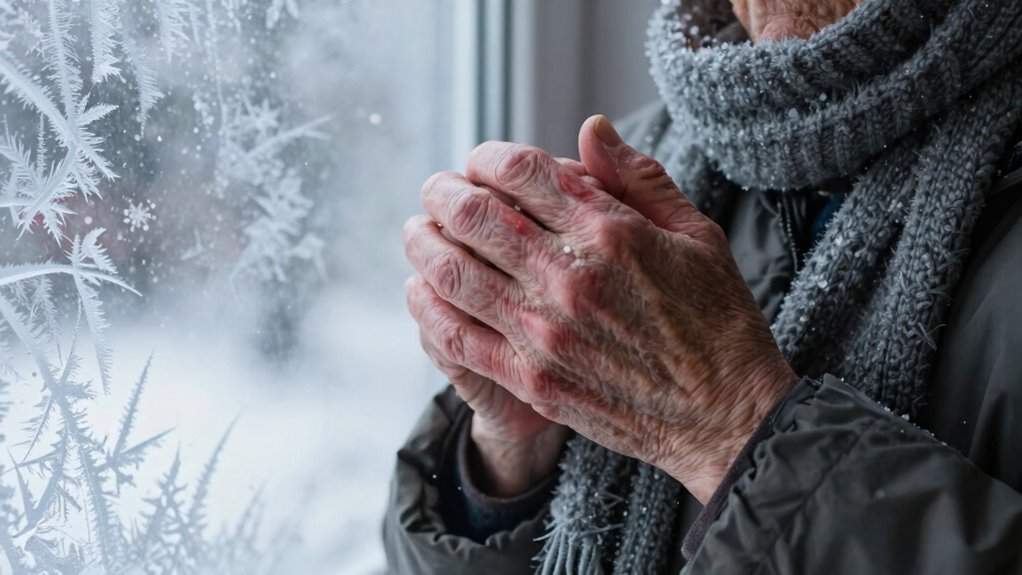

Cold weather causes your blood vessels to narrow, which reduces circulation around your joints. This can make your joints feel stiffer, more painful, and harder to move. You might notice daily activities become more difficult as discomfort increases and flexibility decreases. Dressing warmly, staying active indoors, and using warming techniques can help. If you want to learn simple ways to protect your joints and stay mobile in cold weather, keep exploring these helpful tips.

Get everyday essentials delivered free with Prime
- Fast, free delivery on millions of items
- Prime Video, Amazon Music and more included
- Member-only deals all year
Key Takeaways
- Cold weather causes blood vessels to constrict, reducing circulation and increasing joint sensitivity and discomfort.
- Lower temperatures lead to joint stiffness and decreased mobility, making daily movements more difficult.
- Wearing layered, warm clothing helps maintain joint warmth and prevents stiffness.
- Cold conditions discourage outdoor exercise, which is essential for joint lubrication and mobility.
- Warming techniques like heat pads and warm baths improve blood flow, reducing stiffness and pain.
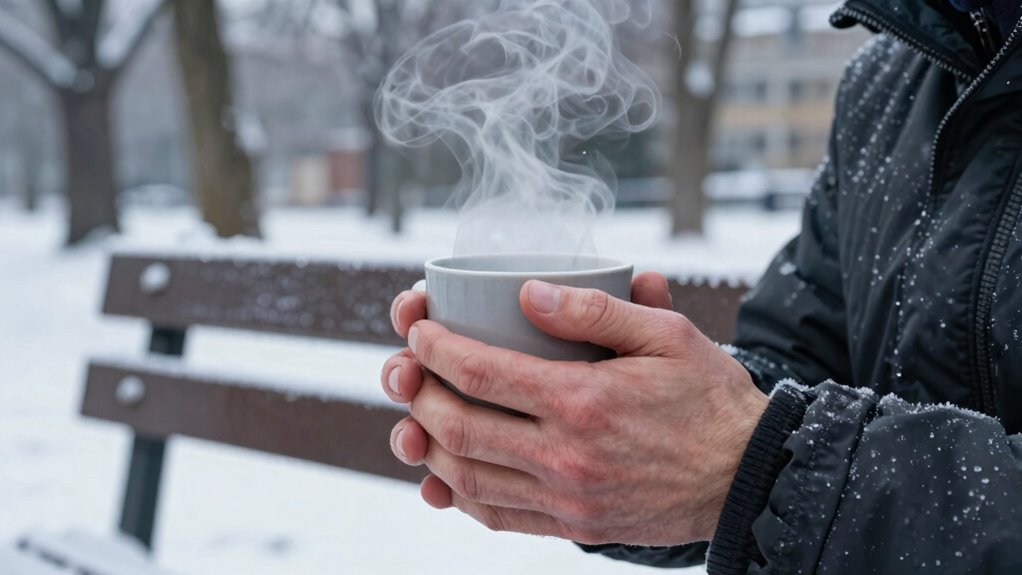
When the temperature drops, many people notice increased joint pain and stiffness, which can make daily activities more challenging. Cold weather causes blood vessels to constrict, reducing circulation around your joints. This diminished blood flow can lead to heightened sensitivity in areas already affected by arthritis or other joint conditions. As a result, simple movements become more uncomfortable, and your flexibility decreases. To combat this, you might find yourself adjusting your wardrobe with proper winter clothing—layered, warm, and moisture-wicking garments that keep your joints warm and prevent stiffness from setting in too quickly.
Cold weather tightens blood vessels, reducing circulation and increasing joint sensitivity and discomfort. Stay warm to protect your joints.
You might also notice that your usual exercise routines become more difficult or less appealing in colder weather. The fear of slipping on icy sidewalks or feeling discomfort during outdoor activities can discourage you from staying active. However, maintaining a consistent exercise routine is essential because movement helps lubricate your joints and reduces stiffness. Indoor exercises like stretching, yoga, or low-impact aerobics become valuable options. When doing these, make sure you’re dressed in comfortable, warm clothing that allows freedom of movement without restricting blood flow. Proper attire can help keep your muscles warm and prevent joint pain from worsening during your workout. Additionally, understanding how blood flow impacts joint health can help you better tailor your winter care routine to reduce discomfort. Incorporating warming techniques, such as heating pads or warm baths, can further improve circulation and alleviate stiffness.
Maintaining a consistent exercise routine during the winter months can also help your joints adapt better to the cold, preventing stiffness from becoming a persistent issue. If you’re prone to joint pain during winter, staying consistent with your exercise routines is important, but listen to your body. Don’t push through sharp pain or excessive discomfort; instead, modify your activities as needed. Staying active, even in small ways, can help maintain your mobility and reduce stiffness. Remember, dressing appropriately in winter clothing isn’t just about staying warm—it’s a critical part of protecting your joints from the cold’s adverse effects. By combining proper attire with mindful exercise routines, you can better manage joint pain and enjoy greater mobility throughout the chilly months. Proper nutrition can also support joint health during colder months, as certain nutrients help reduce inflammation and promote tissue repair.
As an affiliate, we earn on qualifying purchases.
Frequently Asked Questions
Can Specific Joint Conditions Worsen More Than Others in Cold Weather?
Yes, some joint conditions worsen more than others in cold weather, especially those involving joint inflammation. People with arthritis, for example, often experience increased pain and stiffness due to weather sensitivity. Cold temperatures can cause tissues around your joints to tighten, amplifying discomfort. If you have a specific condition, monitoring weather changes and taking preventive measures can help manage symptoms better in chilly weather.
Are There Particular Clothing Types That Help Reduce Joint Pain?
Wearing thermal clothing helps keep your joints warm, reducing stiffness and discomfort during cold weather. Look for moisture-wicking fabrics that draw sweat away from your skin, preventing chills and irritation. Layering with thermal tops and bottoms can provide extra insulation, while gloves and hats protect your extremities. By choosing the right clothing, you can stay more comfortable and minimize joint pain, making it easier to stay active despite the cold.
How Does Cold Weather Impact Joint Medication Effectiveness?
Cold weather can decrease joint medication effectiveness by slowing medication absorption and intensifying cold-induced inflammation. As temperatures drop, blood flow decreases, making it harder for your body to absorb meds properly. Simultaneously, cold-induced inflammation worsens joint pain, counteracting medication benefits. You might notice your treatments are less effective in winter, so it’s essential to discuss timing and dosage adjustments with your healthcare provider to maintain relief.
Do Indoor Heating Methods Influence Joint Pain During Winter?
Indoor heating methods can influence your joint pain during winter. Good heating insulation keeps warmth inside, reducing cold air exposure that worsens pain. However, poor indoor air quality from certain heating devices might irritate joints or cause discomfort. To minimize pain, guarantee your space is well-insulated, use effective heating systems, and maintain good indoor air quality. Staying warm and comfortable helps you manage joint stiffness and keep mobility easier.
Can Dietary Changes Mitigate Cold Weather-Related Joint Discomfort?
Yes, dietary changes can help reduce cold weather-related joint discomfort. You should consider adding anti-inflammatory foods like turmeric, ginger, and fatty fish to your diet. Supplements such as omega-3 fatty acids and turmeric capsules may also provide relief. These dietary adjustments can help decrease inflammation and improve your joint comfort during chilly months, making daily mobility easier and less painful.
winter thermal clothing for arthritis
As an affiliate, we earn on qualifying purchases.
As an affiliate, we earn on qualifying purchases.
Conclusion
So, as winter’s chill seeps into your bones, remember that understanding how cold weather impacts your joints can empower you to take action. Embrace warm clothing, stay active, and keep your joints protected—your body’s silent symphony depends on it. Don’t let the frost’s icy grip silence your movement; instead, let your resilience shine through like a lighthouse piercing through the storm. In warmth and awareness, you find your strength.
electric heat therapy pad for joints
As an affiliate, we earn on qualifying purchases.
As an affiliate, we earn on qualifying purchases.
As an affiliate, we earn on qualifying purchases.
Halloween Picks
halloween
As an affiliate, we earn on qualifying purchases.