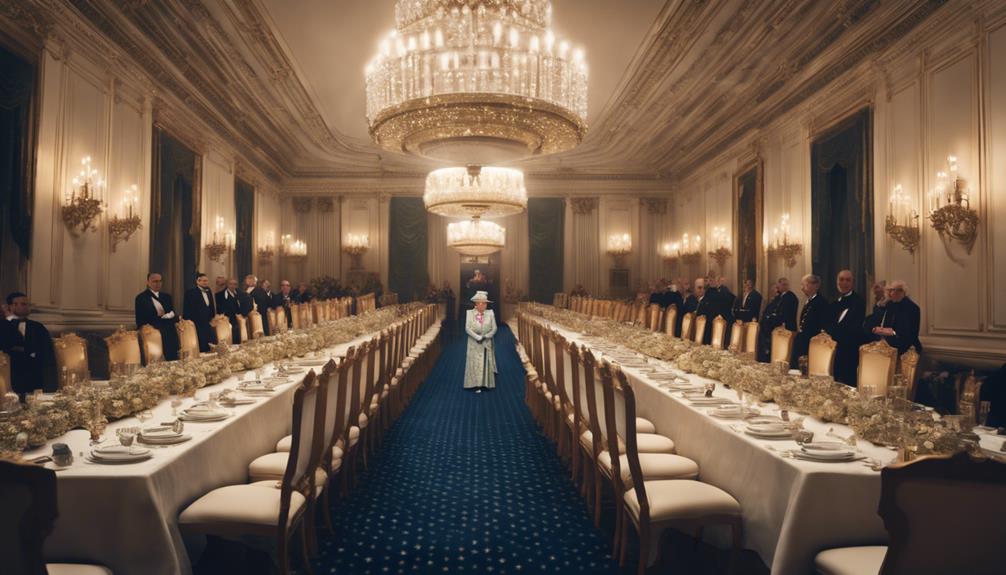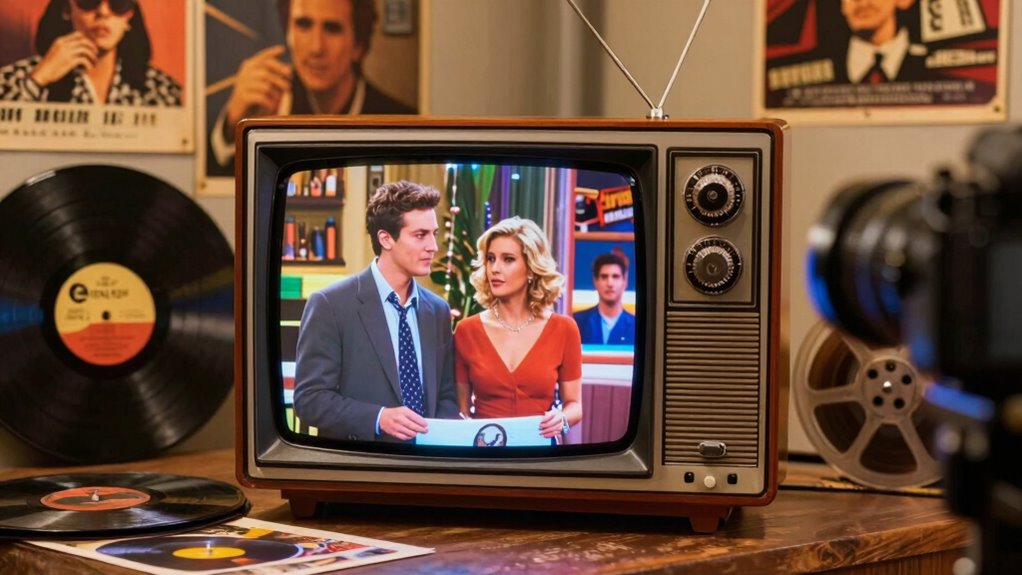

Reboots and revivals keep returning because studios know familiar stories and characters create strong emotional bonds with audiences, increasing chances of success. They’re a safer bet financially, with built-in fans who are enthusiastic for nostalgia and new updates. Studios also use targeted marketing to rekindle love for old favorites. But balancing innovation with familiarity is tricky. If you want to discover why this trend persists and what risks it carries, keep exploring the details.

Get everyday essentials delivered free with Prime
- Fast, free delivery on millions of items
- Prime Video, Amazon Music and more included
- Member-only deals all year
Key Takeaways
- Reboots capitalize on nostalgia and familiar characters to attract audiences and reduce marketing costs.
- They serve as safer financial investments due to established brand recognition and built-in fan bases.
- Reboots evoke emotional connections, helping to re-engage viewers with beloved stories and characters.
- Modern technology updates make reboots visually appealing, appealing to contemporary audiences.
- Studios balance reboots with original content to maintain audience interest and prevent franchise fatigue.

In recent years, reboots and revivals have become a dominant trend in TV and film, capturing both nostalgic audiences and new viewers alike. This surge isn’t just about reusing old content; it’s a strategic move rooted in nostalgia-driven marketing. Studios know that many viewers hold a deep emotional connection to familiar characters and stories from their childhood or earlier decades. By bringing back beloved franchises, they tap into these feelings to attract audiences who might otherwise be hesitant to try something new. It’s a way to evoke fond memories while also introducing these stories to a fresh generation. However, this approach isn’t without its risks. Over time, too many reboots can lead to franchise fatigue, where audiences become tired of seeing the same stories recycled repeatedly. When overexposed, even the most cherished series can lose their appeal, leaving viewers feeling disconnected or uninterested.
Despite the risk of fatigue, studios continue to reboot and revive because it’s often the safer bet financially. Reboots usually come with built-in audiences and existing brand recognition, which can lower marketing costs and increase the likelihood of commercial success. Plus, with advances in technology, filmmakers can update old stories with modern visuals and effects, making them appealing to contemporary viewers. Still, this reliance on nostalgia can sometimes backfire if the reboots don’t meet fan expectations or fail to add anything new to the story. When that happens, audiences start to feel like they’re being fed the same content repeatedly, which can accelerate franchise fatigue.
You might notice that reboots tend to be heavily promoted through nostalgia-driven marketing campaigns. These campaigns emphasize familiar elements—classic catchphrases, iconic characters, or recognizable themes—to rekindle the audience’s emotional attachment. They aim to remind viewers of why they loved the original while positioning the reboot as a fresh take. But if studios don’t innovate enough, these efforts can feel hollow or superficial, leading to disappointment. The cycle continues because studios hope to capitalize on the emotional value of nostalgia, even as the audience’s appetite for rehashed stories diminishes. Recognizing the importance of audience engagement can help studios better gauge when to refresh a franchise or move on to new ideas. Additionally, understanding the concept of franchise fatigue is crucial for balancing reboots with original content to sustain long-term interest.
As an affiliate, we earn on qualifying purchases.
Frequently Asked Questions
How Do Reboot Costs Compare to Original Productions?
Reboot costs often surpass original productions because of budget planning and casting challenges. You might spend more on updated CGI, special effects, or securing familiar actors, which drives up expenses. Additionally, modern reboots aim for high-quality visuals and star power, making them pricier. These increased costs reflect the need to attract audiences while balancing production quality, ultimately making reboots a more significant financial investment than the original films or shows.
What Legal Issues Affect Reboot and Revival Productions?
You might think rebooting a show is simple, but legal issues quickly remind you otherwise. Intellectual property rights and licensing agreements can turn what seems like a fresh start into a legal maze. You need to obtain clear rights, navigate licensing hurdles, and guarantee you’re not infringing on existing copyrights. Otherwise, your revival could face lawsuits, delays, or even shutdowns — proving that legal complications are the real villains in reboot land.
How Do Audiences Influence Reboot and Revival Success?
Your audience’s nostalgia and engagement heavily influence whether a reboot or revival succeeds. When viewers connect emotionally through nostalgia, they’re more likely to tune in and spread positive word-of-mouth. Audience feedback and social media buzz can also sway creators to continue or alter projects. Fundamentally, your enthusiasm and emotional investment drive the show’s longevity, making it essential for producers to tap into what fans love about the original.
Are Reboots More Profitable Than Original Content?
Reboots tend to be more profitable than original content because they capitalize on the nostalgia factor and brand recognition. You’re more likely to watch a reboot because it reminds you of past favorites, which reduces risk for studios. This familiarity attracts audiences quickly, boosting ticket sales or streaming numbers. Fundamentally, reboots leverage existing fan loyalty, making them a safer investment and often more profitable than creating entirely new stories.
How Do Creators Feel About Revisiting Old Projects?
You might find that many creators feel conflicted about revisiting old projects. While nostalgia marketing can attract audiences and generate excitement, it can also lead to creative fatigue, where the passion for the original gets worn thin. Some creators embrace reboots as a chance to expand their stories, but others worry it stifles originality. Ultimately, feelings vary—some see it as a valuable opportunity, while others prefer fresh, new ideas.
As an affiliate, we earn on qualifying purchases.
Conclusion
Reboots and revivals are like phoenixes rising from the ashes, constantly reborn to ignite new flames of nostalgia and innovation. They dance on the tightrope between past and present, weaving familiar threads into fresh tapestries. You can’t help but be drawn into their orbit, pulled by the siren song of memories and new possibilities. In this endless cycle, they remind us that stories never truly die—they just wait beneath the surface, ready to breathe again.
modern visual effects for movies
As an affiliate, we earn on qualifying purchases.
As an affiliate, we earn on qualifying purchases.
As an affiliate, we earn on qualifying purchases.
Fall Picks
fall essentials
As an affiliate, we earn on qualifying purchases.