
TL;DR

Get everyday essentials delivered free with Prime
- Fast, free delivery on millions of items
- Prime Video, Amazon Music and more included
- Member-only deals all year
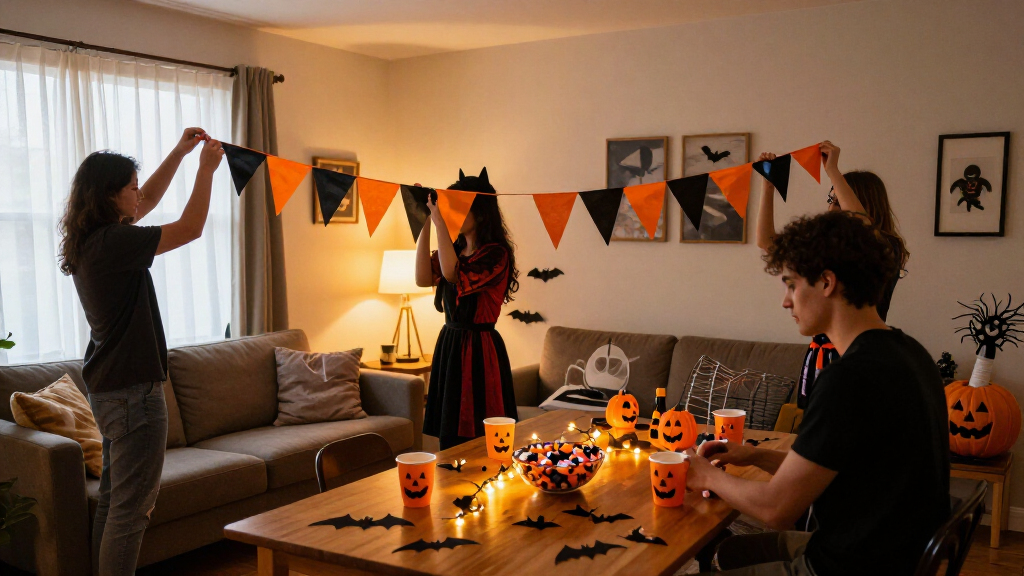
Halloween party supplies include decorations, tableware, lighting, costumes, games, invitations, and favors. Choose them around your guest count, age group, venue, theme, and budget; prioritize safe lighting and useful serving items, then add a few decorations that make the biggest visual difference.
A plastic skeleton can set the mood, but a clear walkway and enough cups can save your party. The best Halloween party supplies balance spooky style with the everyday details that help guests eat, play, and move around comfortably.
This guide helps you choose supplies by guest count, age group, venue, theme, and budget. You’ll get a planning sequence, concrete quantity examples, decorating ideas for different spaces, and ways to make the gathering easier to host without filling a garbage bag with single-use plastic.
Think of your supplies as a stage crew: decorations create the scene, tableware keeps dinner moving, and activities give guests something to do. Start with what your party needs, then add the cobwebs.
Plan from the guest count, venue, age group, and menu before buying decorations.
Use one plate and cup per guest as a starting estimate, with extra napkins for spills and seconds.
Choose reusable dishes when washing and storage are manageable; use paper-based options when quick cleanup matters.
Use low-heat lighting and keep cords, decorations, hallways, and exits clear.
Save money by decorating one focal area and reusing household items before buying a full party kit.
Choose Supplies That Fit Your Guest List and Space
Halloween party supplies work best when they match your guests, venue, theme, and budget. Start by writing down who’s coming, where they’ll gather, and what they’ll do; those three details tell you more than a shopping aisle can. A party for eight children in a small living room needs different supplies from a 30-person outdoor gathering because the number of guests affects quantities, while the space determines what can fit safely and comfortably.
For example, a classroom-style party for 12 young children might call for paper plates, washable markers, a simple craft, and soft pumpkin decorations. These choices are easy to distribute and reduce the need to supervise fragile objects. An adult movie-night party for 10 could use reusable serving bowls, dim string lights, and a themed snack station. Reusable bowls make sense when there’s room to collect and wash them, while lighting should set a mood without making it hard to see food or walk safely. The theme can come from a favorite film, a nostalgic color palette, or a classic haunted-house look; you don’t need to chase a trend, since popular styles change from year to year.
Make a quick list in categories before you shop. That simple move stops you from buying three packs of bat decorations while forgetting cups. More importantly, it makes tradeoffs visible: if the budget is tight, you can protect the essentials—food service, lighting, and a suitable activity—before spending on extra decor. It also helps you tell the difference between a fun extra and a practical need.
- Decor: A few focal pieces, such as a doorway banner or table display.
- Food service: Plates, cups, napkins, serving tools, and food labels.
- Activities: A craft, scavenger hunt, or game suited to your guests.
- Safety: Clear exits, stable decorations, and visible paths.
Write the guest count at the top of your list. It becomes the number that shapes almost every later choice—and it may change how many supplies you really need. Then note any constraints, such as a narrow hallway, limited washing space, or young children. Those details help prevent buying items that look right online but are awkward to use at the party.
Halloween plastic skeleton decoration
As an affiliate, we earn on qualifying purchases.
As an affiliate, we earn on qualifying purchases.
Build a Shopping List Without Buying Too Much
To plan Halloween party supplies, estimate quantities from your guest count, then add a small buffer for spills and seconds. For a gathering of 15, start with 15 plates and cups and about 30 napkins; if guests will eat more than one course, add plates for the second serving. These are practical planning estimates, not fixed rules, so adjust them to your menu and party length. Planning this way helps avoid two opposite problems: running short during the party or spending money on supplies that take up space afterward.
Use this short sequence to turn a head count into a useful shopping list:
- Count confirmed guests. If 12 children and four adults are coming, plan for 16 people, not just the children. Adults may also need plates, cups, and seats even if they’re supervising rather than joining every activity.
- Match quantities to the menu. Finger food may need fewer plates than a sit-down meal, while saucy snacks call for extra napkins. The messier the food, the more useful a small napkin buffer becomes.
- Check what you already own. Serving bowls, scissors, tape, and reusable lights may be tucked away in a cupboard. Reusing them can free budget for food or an activity, though you’ll want to check that reusable items are clean, working, and available in sufficient quantities.
- Buy a modest backup. A few extra cups or napkins help with unexpected guests without leaving you with a box of unused supplies. Keep the buffer modest and focus it on items that are easy to store or use later.
For instance, if you’re serving chili, bread, and cupcakes, plan on at least one plate per guest plus a few extras, and keep bowls and spoons ready for the main dish. If the party runs for three hours, a second cup per person may be handy. Having a clean cup available can be convenient, but buying too many creates unnecessary leftovers, so consider whether guests can reuse their cups or mark them with names. The aim is a smooth evening, not a mountain of leftovers.
Make one final pass through the list before checkout. Ask whether every item supports the theme, solves a hosting problem, or gives guests something enjoyable to do. If it does none of those, leave it on the shelf. This last check keeps the list focused on supplies that have a clear purpose rather than simply adding to the shopping total.
disposable Halloween paper plates and cups
As an affiliate, we earn on qualifying purchases.
As an affiliate, we earn on qualifying purchases.
Compare Reusable and Disposable Tableware Before You Buy
Reusable tableware cuts down on throwaway waste, while disposable tableware can make cleanup faster. The right option depends on your kitchen space, guest count, and willingness to wash dishes after the last guest leaves. A small family gathering may be easy to serve on everyday plates; a crowded community room may call for lightweight paper plates. The tradeoff is not only environmental: it’s also about whether you have enough pieces, a place to store dirty dishes, and time to clean them after hosting.
Consider these tradeoffs before choosing how you’ll serve food and drinks:
| Choice | Works well when | Tradeoff |
|---|---|---|
| Reusable plates and cups | You have enough pieces and a place to wash them. | They need collecting, washing, and storage. |
| Paper-based tableware | You want lighter cleanup and can check local recycling rules. | Food-soiled items may not be recyclable locally. |
| Single-use plastic | You need sturdy, water-resistant items for a particular use. | It creates more waste and may not fit your sustainability goals. |
Say you’re hosting 20 people in a small apartment. Reusable dishes may still work if you serve snacks in bowls and keep a bus tub by the sink for used cups. That setup avoids using a separate plate for every snack, but only works if guests have an easy place to leave dishes and you can manage the washing. For a park party, paper-based plates and clearly marked bins can be easier to manage, but check the venue’s waste rules first. If recycling is not available, choosing paper does not automatically mean the items can be recycled, especially when they’re greasy or food-soiled.
Food labels are a small supply with a big payoff. A handwritten card that says “contains peanuts” or “vegetarian” helps guests choose confidently, especially when a crowded table hides what’s inside each dish. Labels can also cut down on repeated questions, making it easier for the host to enjoy the gathering. Matching napkins and labels can carry your theme without buying a complete tableware set, so a practical item can do double duty as decor.
As an affiliate, we earn on qualifying purchases.
Create a Spooky Mood Without Blocking Paths
Build atmosphere with a few visible decorations and low-heat lights, while keeping exits and walkways clear. A strand of orange lights, paper bats above a snack table, and a pumpkin near the entrance can make a room feel Halloween-ready without covering every surface. Concentrating decorations in a few places gives the theme a stronger visual focus and leaves room for guests, food, and movement. Think of lighting as the party’s punctuation: a warm glow adds mood, but guests still need to see where they’re going.
For an indoor party, battery-powered candles work well on windowsills and dining tables, away from sleeves and paper decorations. They avoid an open flame, though they still need to be placed where they won’t be knocked over or mistaken for toys. Outdoors, choose decorations designed for the weather and secure them so a gust doesn’t send a plastic ghost sailing into the street. If rain is forecast, move paper banners under a porch or swap them for weather-resistant pieces; protecting decorations can also prevent slippery or soggy materials from becoming a problem underfoot.
For example, a host with a narrow hallway can put cobweb-style decorations on the wall rather than across the floor, then keep a clear strip of light from the doorway to the living room. That looks spooky in photos and feels safer when children run in for candy. A clear route matters especially when guests are carrying food, wearing masks, or unfamiliar with the layout. Avoid placing cords where guests walk, and keep decorations away from heaters and open flames.
Reuse what you can: a black cloth becomes a table cover, a cardboard box turns into a “monster mouth” for a candy toss, and paper bats can come back next year. These simple DIY choices help set the scene without asking your budget to do all the work. They also let you size decorations to your actual space instead of trying to make a room accommodate oversized store-bought pieces. The most memorable corner may be the one you make yourself.
Keep the spooky mood in the decor, not in a blocked exit or dark hallway. Guests should be able to see the route out of every room.
As an affiliate, we earn on qualifying purchases.
Pick Costumes and Activities That Keep Every Age Comfortable
Choose costumes and games that fit your guests’ ages, comfort, and ability to move around. A costume can transform an evening, but a mask that slips over a child’s eyes or a long cape that catches underfoot can spoil the fun. For children, check that accessories fit securely and don’t limit sight or breathing; choose age-appropriate items and follow product labels. Comfort matters because guests who can see, move, and participate easily are more likely to enjoy the party instead of needing constant help.
Activities give guests a reason to mingle beyond the snack table. A pumpkin-decorating station works for mixed ages if you offer washable markers and stickers alongside paint, and skip sharp carving tools when young children are present. For a group of 10 kids, set out two or three pumpkins and let them decorate in pairs; this keeps the line moving and gives shy guests a partner. Pairing also makes supplies go further, though offering a choice of stickers, markers, or paint lets children take part in a way that suits their age and patience.
Adults may prefer a low-pressure costume prompt, such as “wear something orange or black,” rather than a rule that requires a full outfit. A demanding costume requirement can make guests feel they need to buy something or opt out; an optional prompt creates a shared theme without that pressure. For a small gathering, a three-clue scavenger hunt can turn a hallway and living room into an activity without needing expensive props. Keep clues simple enough for the youngest guest, or create separate versions for different ages. Clear difficulty levels help younger guests join in while giving older guests a challenge.
Good Halloween party supplies support the experience rather than dictate it. Put a basket of costume accessories beside a mirror, leave a quiet chair away from the music, and make sure every game has a clear start and finish. These small choices give guests alternatives: someone can join the game, try an accessory, or take a break without feeling left out. If an activity needs a long explanation, guests may drift back to the food.
- For young children: Stick to visible, comfortable costumes and simple crafts.
- For mixed ages: Offer teamwork games, such as paired pumpkin decorating.
- For adults: Use an optional theme or costume prompt that feels easy to join.
Save Money by Spending on the Details Guests Notice
You can decorate on a small budget by choosing one focal point, reusing household items, and buying supplies early enough to compare options. A themed table or doorway often makes a stronger impression than tiny decorations spread across the whole house. A focal point gives guests a place to gather and helps the theme read clearly in the room and in photos, while decorating every surface can cost more without making the party feel more cohesive. Put your effort where guests gather, such as the entry, buffet, or photo spot.
Try a black cloth from home as a table cover, paper cutout bats on one wall, and a bowl of mandarins with simple jack-o’-lantern faces drawn in marker. Add one inexpensive string of lights if you need more glow. This setup uses a few distinct colors and textures—dark cloth, orange fruit, crisp paper—rather than a cart full of matching plastic pieces. Reusing household items also reduces the chance of buying decorations that are used once and then take up storage space.
Online party kits can make matching decorations and tableware easier to find, while personalized banners or food labels add a distinctive touch. But a kit may include items you don’t need, so compare its contents with your list before buying. A coordinated kit can save time, but the convenience is less valuable if most of its contents duplicate supplies you already own. Buying earlier can give you more choice; late-season shopping may leave fewer options, though sales and stock vary by retailer and year.
Set a budget before browsing and divide it into categories: decor, food service, activities, and backup supplies. If decorations take more than half the budget, ask whether guests will notice that extra skeleton or remember the game they played together. This is a useful way to prioritize: a slightly smaller display may be a good trade if it leaves enough for serving supplies or an activity guests can share. The best spend is often the one that solves a real hosting problem and still looks good in photos.
A short shopping list also helps you avoid impulse buys. Keep your chosen theme to two or three colors, then reuse those colors across napkins, lighting, and signs. Repeating a small palette connects inexpensive and reused items, so the party can look intentional without every piece coming from the same set. That repetition makes a party look coordinated even when some of the supplies came from your own cupboards.
Frequently Asked Questions
What supplies do I need for a Halloween party?
Start with decorations, plates or reusable dishes, cups, napkins, serving tools, lighting, and one or two activities. Add costumes, favors, or themed food labels if they fit your guest list and budget. For 15 guests, plan at least 15 plates and cups, then add extras based on your menu.
How can I decorate for Halloween on a small budget?
Focus on one high-visibility spot, such as the entrance or food table. Reuse a dark tablecloth, make paper bats, and add a bowl of oranges or pumpkins for color. A few coordinated pieces usually look more deliberate than many unrelated decorations.
How do I make Halloween decorations safer for young children?
Keep exits and walkways clear, avoid loose small parts around very young children, and check product age guidance. Use battery-powered candles instead of open flames, keep cords out of walking paths, and choose costumes that let children see and move freely.
What decorations work outdoors if the weather turns bad?
Use decorations labeled for outdoor use and secure them against wind. Keep paper banners under a covered porch, and move delicate items indoors if rain is expected. Battery-powered lights can avoid long cords, but check their instructions for outdoor use before setting them out.
When should I buy Halloween party supplies?
Shop once you know your date, guest count, and theme, especially if you want matching items or personalized pieces. Buying early often gives you more choice, while late-season stock can be limited; availability and discounts vary by shop and year. Check what you already own before placing an order.
Conclusion
Choose Halloween party supplies that solve real hosting needs first, then add a few details that make the night feel like yours. Start with the people, space, and menu; make a list; and spend on the pieces guests will actually use or remember.
A glowing pumpkin by a clear doorway beats a room full of tangled decorations. Give your guests a welcoming path, something good to eat, and one reason to laugh—and let the bats take care of the rest.
Halloween Picks
halloween
As an affiliate, we earn on qualifying purchases.