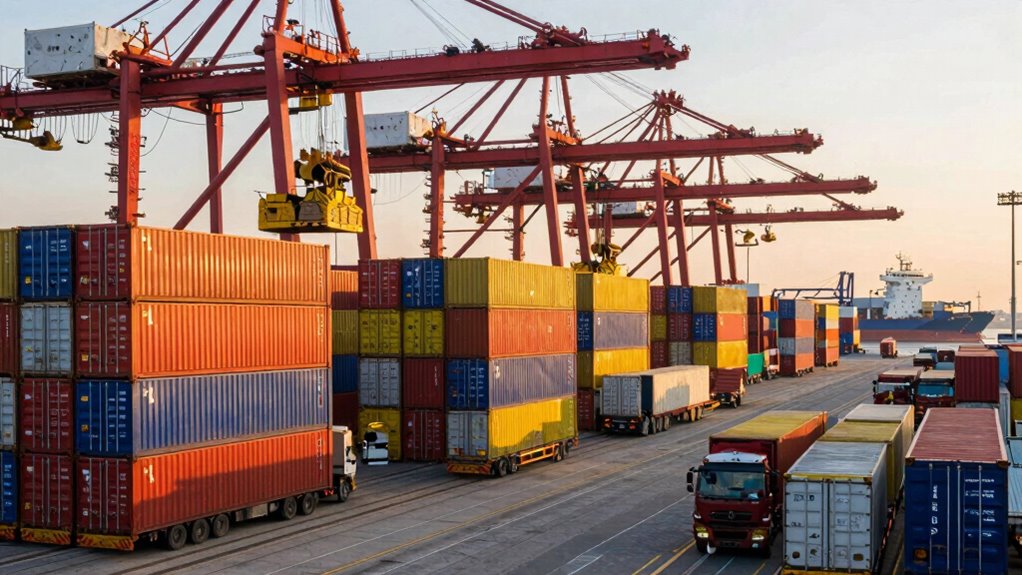

Freight costs still influence what you pay because transportation expenses are built into product prices, often hidden until checkout. When fuel prices rise or supply chain disruptions occur, shipping becomes more costly, and these added costs are passed on to you. Fluctuations in global transportation and infrastructure delays can cause prices to change unexpectedly. To understand how these factors impact your everyday purchases and what keeps prices volatile, keep exploring these interconnected supply chain elements.

Get everyday essentials delivered free with Prime
- Fast, free delivery on millions of items
- Prime Video, Amazon Music and more included
- Member-only deals all year
Key Takeaways
- Freight costs are embedded in product prices, directly affecting what consumers pay at checkout.
- Disruptions and fuel price fluctuations increase transportation expenses, leading to higher retail prices.
- Global transportation network interconnectivity amplifies the impact of cost changes on consumer prices.
- Rising freight costs can cause delays and shortages, raising product scarcity and prices.
- Effective logistics infrastructure can mitigate some cost impacts, but vulnerabilities still influence prices.
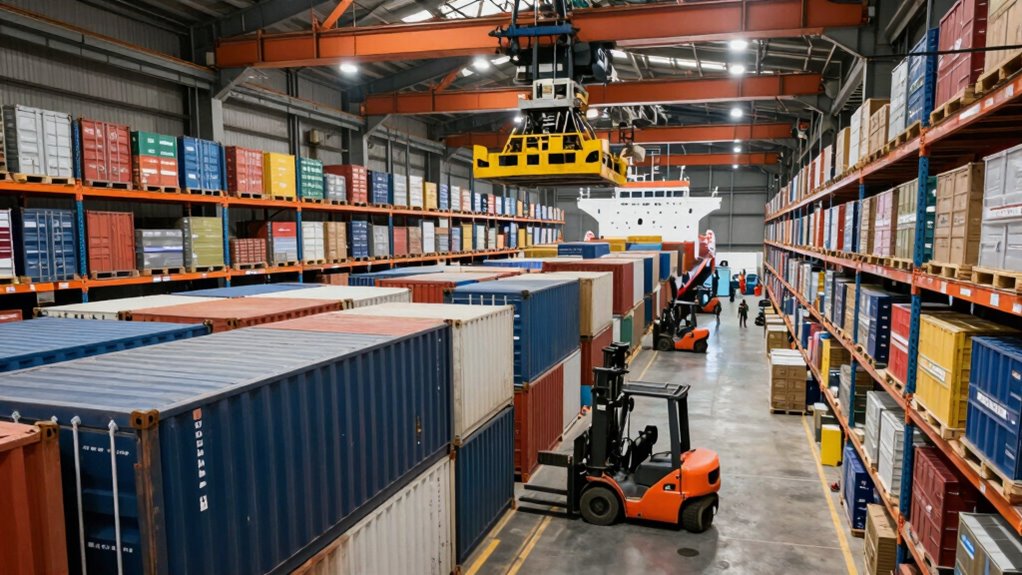
Freight costs play a crucial role in determining the prices you see on everyday products, often shaping how much you pay at the checkout. Every item you purchase has traveled through a complex network of transportation, and the expenses associated with that movement directly impact the final cost. When freight becomes more expensive, whether due to supply chain disruptions or fuel price fluctuations, those costs often trickle down to you. You might not see the freight bill, but its influence is embedded in the price tags on everything from groceries to electronics. Additionally, rising freight costs can lead to delays and shortages, further impacting product availability and pricing. Supply chain disruptions are one of the biggest factors that keep freight costs high. When a key supplier faces delays or shortages, shipments slow down or become more expensive to reroute. These disruptions can result from natural disasters, strikes, or political instability, and they disrupt the smooth flow of goods. As a result, transportation companies may need to employ more expensive options or pay higher fees to secure space on ships, trucks, or planes. These increased costs are passed along to manufacturers and retailers, who, in turn, raise prices to stay profitable. Because supply chain disruptions are often unpredictable, they create price volatility that consumers like you feel at checkout. Recognizing the vulnerabilities in the supply chain can help consumers understand the unpredictability of these costs.
Freight costs influence the prices of everyday products, affecting what you pay at checkout through transportation expenses.
Fuel price fluctuations also play a key role in shaping freight costs. Transportation relies heavily on fuel, and when fuel prices spike, so do the costs of moving goods. Trucking companies, shipping lines, and airlines all face higher operating expenses, which they often pass on to their customers. Even a small increase in fuel prices can considerably impact the overall freight bill, especially considering how much fuel is used in global transportation networks. When fuel prices drop, freight costs usually decrease, but the effect can be slow to reach the retail level. This constant ebb and flow of fuel prices creates a persistent influence on freight costs, which keeps consumer prices somewhat volatile. Understanding the global transportation system can provide further insight into how interconnected and sensitive these costs are. Recognizing the cost drivers behind freight expenses can help consumers better understand the reasons for price changes. Moreover, the efficiency and resilience of the logistics infrastructure play a significant role in mitigating some of these fluctuations. These factors highlight how crucial effective management of transportation networks is in stabilizing prices for consumers.
As an affiliate, we earn on qualifying purchases.
Frequently Asked Questions
How Do Fuel Prices Impact Freight Costs?
Fuel prices directly impact freight costs because higher fuel expenses increase transportation expenses. When fuel costs rise, you may notice higher shipping fees, which can trickle down to consumer prices. To combat this, freight companies focus on improving fuel efficiency and exploring alternative fuels, helping to reduce costs. This effort aims to keep transportation affordable, so you aren’t burdened with ever-increasing product prices due to fluctuating fuel costs.
What Role Do Shipping Delays Play in Consumer Prices?
Shipping delays directly impact consumer prices by disrupting supply chain resilience, causing shortages or increased costs that companies often pass on. When delays happen, the supply decreases, and with high consumer price elasticity, even small price hikes can markedly reduce demand. You might notice higher prices or limited product availability, as businesses try to recover costs and maintain supply chain stability amidst unpredictable shipping schedules.
Are Freight Costs Consistent Across Different Transportation Modes?
Freight costs aren’t consistent across transportation modes because factors like cargo consolidation and freight insurance vary. For example, air freight tends to be more expensive than sea freight due to faster delivery and higher insurance costs. Rail and truck transport might offer lower rates when cargo is consolidated efficiently, reducing overall expenses. These differences directly impact consumer prices, as companies pass on the varying freight costs depending on the mode used.
How Do Customs Duties Affect Freight Expenses?
Imagine your goods crossing borders like a traveler steering through customs gates. Customs duties, like tariffs and import taxes, add layers of cost to freight expenses. These policies influence shipping prices by increasing the price of goods as they move through international borders. When tariffs rise, freight costs climb, and those extra costs often trickle down to consumers, making products more expensive. So, customs duties directly impact freight expenses and, ultimately, what you pay.
Can Technological Advances Reduce Freight Costs Significantly?
Technological advances can notably reduce freight costs through increased automation efficiency and smarter infrastructure investment. You’ll see faster loading times, fewer errors, and streamlined routes, which cut expenses. Improved tracking and data analytics optimize logistics, reducing delays and fuel consumption. While these tech improvements can lower costs substantially, ongoing infrastructure investments are necessary to maximize their impact and guarantee the supply chain remains resilient and adaptable to future demands.
As an affiliate, we earn on qualifying purchases.
Conclusion
So, next time you see a price tag, remember it’s not just about the product—it’s about the journey it took to get there. Freight costs, often overlooked, quietly shape what you pay. It’s a reminder that even in our busy world, small factors can have a big impact. Sometimes, it’s the unseen connections that remind us how closely linked we all are, and how every choice you make ripples through the entire supply chain.
fuel price monitor for logistics
As an affiliate, we earn on qualifying purchases.
As an affiliate, we earn on qualifying purchases.
As an affiliate, we earn on qualifying purchases.
Columbus Day / Indigenous Peoples' Day Picks
long weekend sales
As an affiliate, we earn on qualifying purchases.