By 2025, China’s focus on innovation, such as AI and 5G, will reshape global markets and supply chains, challenging U.S. dominance. Demographic shifts and automation efforts will change its workforce and productivity, influencing international trade and investment patterns. As China advances, expect greater geopolitical influence and shifts in global power dynamics. To understand how these changes could affect your world and economic stability, keep exploring these developments further.
Key Takeaways
- China’s technological advancements will reshape global supply chains and elevate its influence in international trade.
- Demographic shifts and automation will transform China’s workforce, impacting global labor markets.
- Increased Chinese innovation may challenge U.S. dominance in critical tech sectors and economic leadership.
- Global markets will experience shifts due to China’s rising economic power and strategic collaborations.
- Geopolitical dynamics will evolve as China’s economic growth influences international relations and power balances.

What will China’s economy look like in 2025? As you look ahead, you’ll see a landscape shaped by rapid technological innovation and considerable demographic shifts. These factors will influence everything from productivity levels to consumer behavior, ultimately determining China’s role on the global stage. Over the next couple of years, expect the country to accelerate its investments in cutting-edge technologies like artificial intelligence, 5G, and renewable energy. This push for innovation isn’t just about maintaining growth; it’s about transforming the economy into a more sophisticated, high-value sector that can compete with Western tech giants. As a result, you’ll notice more Chinese companies emerging as global leaders in innovation, reshaping supply chains and setting new standards in industry.
China’s 2025 economy will be driven by innovation, demographic shifts, and global technological leadership.
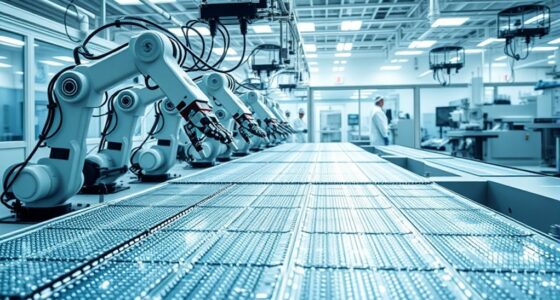
At the same time, demographic shifts will present both challenges and opportunities. China’s population is aging faster than ever, with birth rates declining and a shrinking workforce. You might think this would slow economic growth, but the government is actively implementing policies to mitigate these effects. Expect to see increased automation and smarter use of labor to compensate for a smaller workforce. This means more investment in robotics and AI to improve efficiency across manufacturing, services, and even agriculture. The demographic changes will push China to adapt quickly, fostering innovations that help maximize productivity with fewer workers.
These technological advances combined with demographic shifts will create ripple effects beyond China’s borders. As the country moves toward a more automated and innovation-driven economy, you’ll see shifts in global supply chains. Countries that rely on Chinese manufacturing might face disruptions or higher costs, prompting shifts in sourcing and production. Meanwhile, China’s push for technological self-reliance could lead to increased competition with U.S. tech firms, influencing international trade policies and investment flows. If China succeeds in becoming a leader in high-tech industries, it could challenge U.S. dominance in critical sectors and reshape the balance of economic power globally. Additionally, the integration of sleep and mental health practices into workforce development could enhance worker productivity and resilience amidst these rapid changes.
Furthermore, these internal changes will impact global markets and geopolitical dynamics. As China’s economy evolves, you might observe increased foreign investments in Chinese tech startups or more collaborations between Chinese and international firms. Conversely, the U.S. and other nations will need to reconsider their strategies, focusing more on innovation and workforce adaptability. In essence, China’s economic trajectory in 2025 will be characterized by resilience and transformation—driven by its focus on technological innovation and how it manages demographic shifts. This evolution will not only redefine China’s future but also profoundly influence the broader global economy and international relations.
Frequently Asked Questions
How Will China’s Technological Innovations Impact Global Markets?
Your focus on China’s technological innovations shows how emerging technologies will shape global markets. As China advances in areas like AI, 5G, and green tech, you’ll see market expansion across industries, creating new opportunities and competition. This rapid innovation can lead to shifts in supply chains and investment flows, pushing other countries to adapt quickly. Staying informed about these developments helps you understand how China’s tech growth impacts the world economy.
What Are China’s Long-Term Plans for Economic Sustainability?
China plans to prioritize sustainable development and expand its use of renewable energy to guarantee long-term economic sustainability. You’ll see investments in green technologies and policies promoting environmental protection. These efforts aim to reduce reliance on fossil fuels, cut emissions, and foster innovation in clean energy sectors. By focusing on sustainable growth, China seeks to maintain economic stability while contributing positively to global environmental goals.
How Might Political Changes in China Influence Its Economy?
Political stability and leadership shifts in China can substantially impact its economy. If stability is maintained, growth and foreign investment are likely to continue smoothly. However, leadership changes might cause uncertainties, affecting markets and policies. You should watch how the government manages transitions, as this influences investor confidence, trade relations, and long-term economic planning, ultimately shaping China’s economic trajectory in the coming years.
What Role Does China’s Consumer Behavior Play in Economic Growth?
Your consumer behavior can make or break China’s economy, shaping its future like a giant ship on a vast ocean. When you increase consumer spending, it boosts market confidence and fuels economic growth. Conversely, if you cut back, it can slow down progress. Your choices directly influence demand, employment, and innovation, proving that your confidence and spending are powerful engines driving China’s economic engine forward.
How Will China’s Economic Policies Affect Developing Countries?
Your country’s development will be affected as China’s economic policies, like increasing foreign aid and debt diplomacy, expand influence in developing nations. You might see more infrastructure projects funded through Chinese loans, which could boost growth but also lead to higher debt burdens. China’s strategic investments may shape regional alliances and economic stability, influencing your nation’s access to resources, markets, and geopolitical support, ultimately impacting your country’s long-term development prospects.
Conclusion
As you imagine China’s bustling markets and shimmering skyscrapers in 2025, you see the ripple effects spreading across the globe like gentle waves lapping at distant shores. The world’s eyes remain fixed on its evolving landscape, where shifts in China’s economy will shape your future in ways both subtle and profound. Embrace this dynamic dance, knowing that as China’s economy grows and transforms, you’re part of a bigger story, woven into the fabric of a connected, changing world.

Elena’s passion for the arts and culture shines through in her vivid reporting. From film festivals to gallery openings, her coverage is an essential source for anyone interested in the latest cultural trends and artistic movements.