
TL;DR

Get everyday essentials delivered free with Prime
- Fast, free delivery on millions of items
- Prime Video, Amazon Music and more included
- Member-only deals all year
A Russia-Ukraine ceasefire for humanitarian operations in Russian-occupied Oleshky took effect early October 27, with both sides confirming the start. The truce is intended to allow aid deliveries and prepare civilian departures, but the duration, evacuation arrangements and conditions on the ground have not been reported.
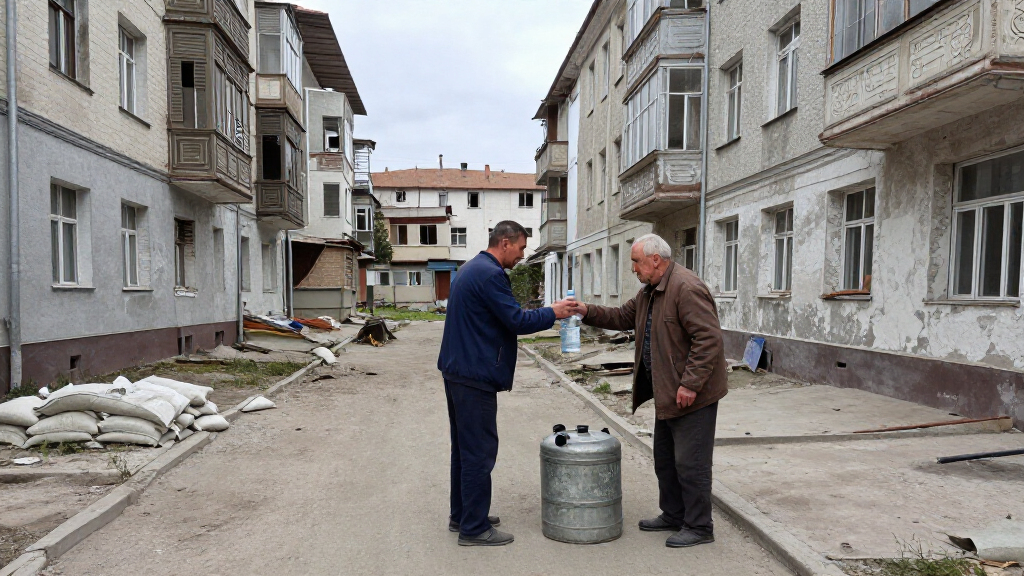
A temporary ceasefire in Russian-occupied Oleshky, in Ukraine’s Kherson region, took effect early October 27, with both Russia and Ukraine confirming that their forces had stopped firing in the area. The truce is intended to permit humanitarian aid deliveries and prepare for civilians to leave a city where residents have faced severe shortages and danger.
Ukraine’s General Staff said Kyiv introduced the truce at 3 a.m. Kyiv time to carry out a humanitarian operation. In its statement, it said the pause was being established to deliver aid to residents and prepare for the free movement of civilians out of Oleshky. Russia’s Defense Ministry said Russian forces ceased fire in the Kherson direction at 4 a.m. Moscow time, the same moment as Kyiv time.
The two statements confirm the ceasefire’s start, but do not establish how long it will last or how many people may be able to leave. The agreement covers both relief deliveries and civilian evacuation; practical arrangements, including routes and the timing of movements, were not detailed in the report. The accounts also do not provide independent verification of conditions at the ceasefire line.
According to Meduza’s report, Oleshky’s residents have lived under Russian occupation since 2022. Conditions have approached a humanitarian catastrophe since fall 2026, with constant drone attacks reportedly leaving people without food, electricity or adequate medical care. Residents have been unable to leave safely, and the report says some have at times been unable to bury relatives who died.
Aid and Evacuation in Oleshky
The ceasefire creates a possible opening for residents to receive supplies and leave an area where basic services and safe movement have been severely constrained. If the pause holds and aid reaches the city, it could address immediate needs for food, electricity and medical care, while evacuation could reduce civilians’ exposure to continuing attacks.
But an announced pause is not the same as a completed humanitarian operation. Its practical effect depends on whether aid workers and civilians can move safely, whether the truce is observed, and whether routes remain open. The announcement matters because residents’ access to both relief and departure has been limited; the available report does not yet say that either has occurred.
Popular right now

Ninja CREAMi 7-in-1 Ice Cream Maker, NC301

Dyson Car+Boat Cordless Handheld Vacuum

Samsung 48-Inch S90H OLED 4K Smart TV (2026)
As an affiliate, we earn on qualifying purchases.
From Agreement to Truce
The White House announced on October 23 that Russia and Ukraine would temporarily halt hostilities in Oleshky to let residents leave. Meduza reported that U.S. First Lady Melania Trump reportedly helped broker the ceasefire agreement. That account of her role is reported rather than confirmed in the statements from the Russian and Ukrainian military authorities cited in the report.
The October 27 announcements mark the stated start of the pause. Ukraine gave a Kyiv-time start of 3 a.m.; Russia gave a Moscow-time start of 4 a.m. These are the same time. The agreement is specific to Oleshky and humanitarian activity, and the report does not describe it as a wider ceasefire between Russia and Ukraine.
““The truce is being established […] to deliver aid to residents currently in the city and to prepare for the free movement of civilians out of Oleshky.””
— Ukraine’s General Staff of the Armed Forces
Duration and Safe Passage
The available statements do not specify the ceasefire’s duration, the number of residents who may be evacuated, or when aid deliveries and departures are expected to begin. The report also does not give details of agreed routes, transport arrangements, monitoring or procedures for responding to alleged violations.
Although both sides confirmed the start, it remains unclear whether the pause will be maintained throughout the operation and whether civilians will be able to travel without danger. The reported shortages and effects of drone attacks describe the humanitarian situation, but the material does not provide an independent assessment of conditions in the city after the truce took effect.
Monitoring Aid and Departures
The next developments to watch are whether humanitarian supplies enter Oleshky and whether civilians begin leaving under the agreed pause. Further information from the Russian and Ukrainian authorities, humanitarian organizations or people on the ground would help establish the operation’s timing, scale and safety.
For now, the confirmed development is the stated start of the truce—not the completion of an evacuation or the delivery of aid. The ceasefire’s duration and the conditions residents will face during any movement remain open questions.
Key Questions
When did the Oleshky ceasefire take effect?
Ukraine said it began at 3 a.m. Kyiv time on October 27, 2026. Russia’s Defense Ministry gave the time as 4 a.m. Moscow time, which is the same moment.
What is the ceasefire intended to allow?
Ukraine’s General Staff said the pause was intended to enable humanitarian aid deliveries and prepare for civilians to leave Oleshky.
Have civilians already been evacuated?
The report confirms that the truce took effect, but does not say that an evacuation has begun or give a number of people who have left.
Why is the ceasefire significant for Oleshky residents?
Residents have reportedly faced shortages of food, electricity and adequate medical care amid constant drone attacks, while safe departure from the city has been difficult.
How long will the truce last?
The statements cited in the report do not specify its duration. Whether the pause will hold while aid and civilian movements take place remains unclear.
Source: meduza.io