
TL;DR

Get everyday essentials delivered free with Prime
- Fast, free delivery on millions of items
- Prime Video, Amazon Music and more included
- Member-only deals all year
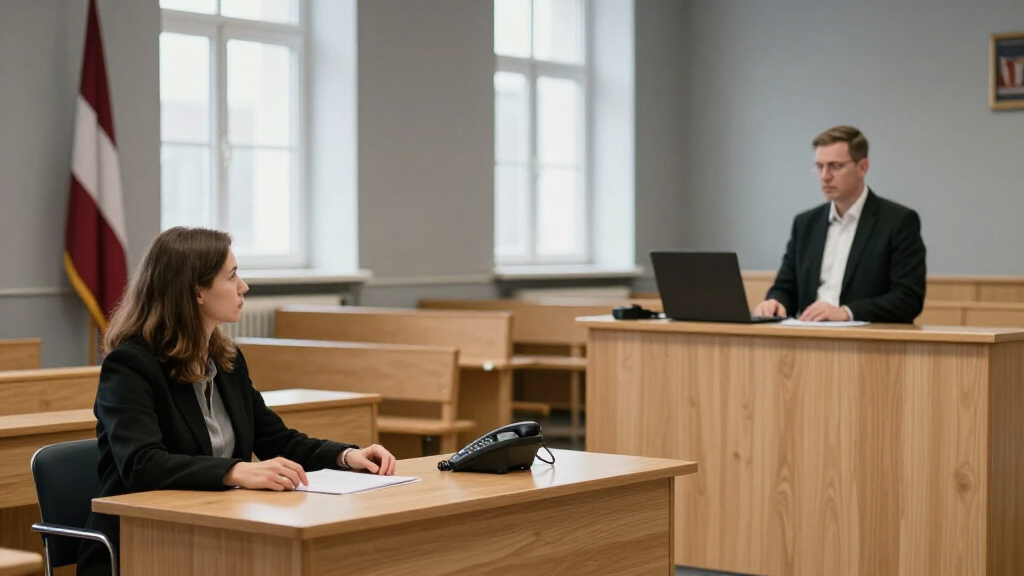
The Riga City Court sentenced Polina Kamleva, a resident of Rēzekne, to six years in prison for financing an armed conflict. Investigators said a €43 transfer was intended to help buy a mobile electronic warfare system for Russian forces; Kamleva denied having criminal intent.
The Riga City Court sentenced Polina Kamleva, a resident of Rēzekne, to six years in prison for financing an armed conflict. Investigators said she helped arrange a €43 transfer intended to fund drone-jamming equipment for Russian forces. Kamleva told the court she had not intended to finance the Russian army.
According to Delfi, which was cited by Meduza, investigators tied the case to a WhatsApp exchange in December 2024. They said Kamleva agreed to help raise money for military equipment after an acquaintance connected to Russia’s Kaskad military-patriotic center asked her to help pay for a mobile electronic warfare system. Investigators said the system was intended for Russian forces.
Investigators said Kamleva then contacted an acquaintance living in Belarus and asked him to send the money on her behalf because transfers from Latvian banks to Russian banks were not possible. The acquaintance transferred 157 Belarusian rubles, about €43, from his personal account. Latvia’s State Security Service detained Kamleva in December 2025.
In her final statement, Kamleva said the messages recovered from her phone did not clearly show that the money was intended for Russian forces. She said she was unemployed and in serious psychological distress when asked to help, and that she had been unable to refuse. Prosecutors had sought an eight-year sentence, while Latvia’s criminal code allows a prison term of up to 10 years for financing an armed conflict.
Legal implications of the €43 transfer
The court convicted Kamleva of financing an armed conflict over a transfer investigators said was intended to support equipment for Russian forces. The reported account does not establish that the equipment was ultimately purchased or delivered.
Investigators said the funds were meant to support equipment for Russian forces, while Kamleva disputed that she had criminal intent. The reported account does not provide the court’s full reasoning on how it assessed the purpose of the payment.
As an affiliate, we earn on qualifying purchases.
How Investigators Traced the Payment
The reported sequence began with a request in a WhatsApp exchange in December 2024, followed by the transfer from a personal account in Belarus. Investigators said Kamleva sought an intermediary because Latvian bank transfers to Russian banks were unavailable. The State Security Service detained her about a year later, in December 2025.
Delfi described Kamleva as a pro-Russian activist and reported that she was a member of the Latvian Russian Union Party when she was detained. Those descriptions are attributed to the outlet; the reported court finding concerns the charge of financing an armed conflict.
As an affiliate, we earn on qualifying purchases.
Intent and Equipment Destination
Kamleva disputed the prosecution’s interpretation of her intent, saying the messages did not clearly establish that the payment was meant for Russian forces. The available report does not provide the court’s full reasoning or explain how it assessed that dispute.
It is also unclear from the reporting whether the mobile electronic warfare system was bought, delivered, or used. The €43 transfer is described as intended to contribute to its purchase, based on investigators’ account.
portable electronic warfare device
As an affiliate, we earn on qualifying purchases.
As an affiliate, we earn on qualifying purchases.
Appeal Status Is Not Reported
The report does not say whether Kamleva plans to appeal, whether an appeal has been filed, or when any further court proceedings might take place. Her sentence is six years, shorter than the eight years sought by prosecutors and below the 10-year maximum cited under Latvian law.
Any appeal or subsequent court decision could provide further detail on the evidence and the court’s findings about intent. Until then, the reported conviction and sentence are the latest confirmed developments in the case.
As an affiliate, we earn on qualifying purchases.
Key Questions
Who was sentenced by the Riga City Court?
The court sentenced Polina Kamleva, a resident of Rēzekne, to six years in prison for financing an armed conflict.
What was the €43 transfer for?
Investigators said it was intended to help buy a mobile electronic warfare system, described as drone-jamming equipment for Russian forces. The report does not confirm that the equipment was purchased or delivered.
What did Kamleva say about her intent?
Kamleva denied intending to finance the Russian army. She said the phone messages did not clearly establish the money’s purpose and described herself as unemployed and in serious psychological distress when she was asked to help.
How long had prosecutors sought?
Prosecutors sought an eight-year prison sentence. The reported sentence was six years; Latvian law sets a maximum of 10 years for financing an armed conflict.
Source: rss
Halloween Picks
halloween
As an affiliate, we earn on qualifying purchases.