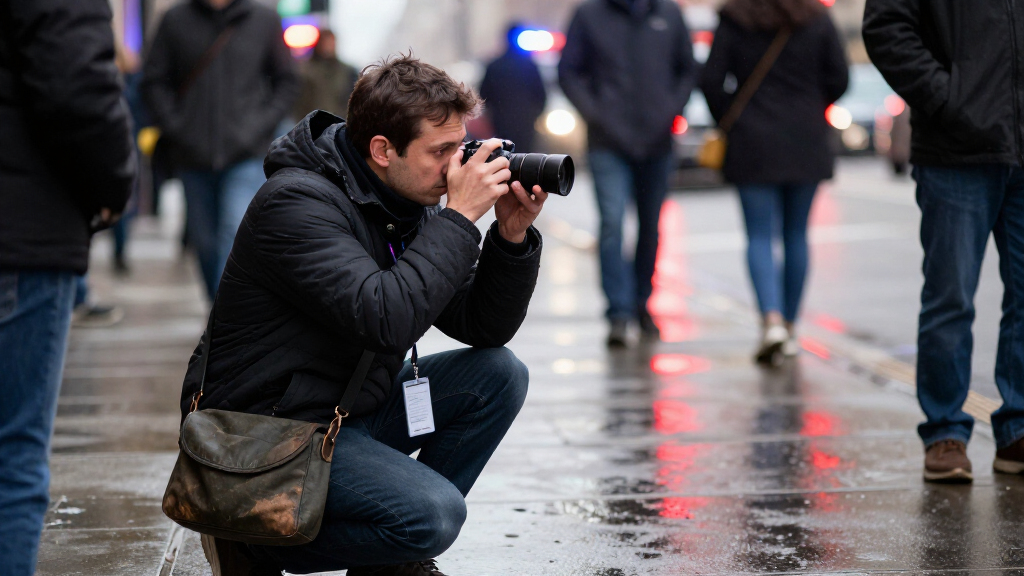
For compact digital cameras for journalism, I rank the Sony RX100 VII best overall because its fast autofocus and versatile zoom suit unpredictable assignments. The Ricoh GR IV HDF is a stronger fit for discreet, wide-angle street reporting, while the Canon PowerShot SX740 HS offers long reach for distant subjects. The tradeoff is clear: pocketability and quiet operation can come at the expense of zoom range, while extended reach often means a larger camera and less control in dim conditions. I also compare simpler options for beginners and tighter workflows. Read on for the full breakdown and the factors that matter when choosing a camera for reporting.

Get everyday essentials delivered free — and shop member deals
- Fast, free delivery on millions of items
- Access to Prime Big Deal Days deals on October 6–7
- Prime Video, Amazon Music and more included
Key Takeaways
- Sony RX100 VII ranks first for its combination of fast autofocus and a broad zoom range, which is useful when a reporter cannot control distance or timing.
- Ricoh GR IV HDF serves a different assignment: its compact, fixed-lens approach favors discreet street work over framing distant subjects.
- Canon PowerShot SX740 HS models prioritize reach; that can help at events, but a long zoom does not replace stronger low-light performance or an external audio setup.
- The Sony ZV-1F is built around video creation, so its vlogging orientation may suit interviews and pieces to camera better than still-first reporting.
- Entry-level Kodak and Canon ELPH options trade advanced control for simplicity; they can suit basic daylight documentation, but reporters should check focus, file handling, and audio needs before relying on them.
| Canon PowerShot ELPH 360 HS A 20.2MP Digital Camera Bundle, Silver |  | Best for Everyday Reporting | Sensor: 20.2MP CMOS, 1/2.3-inch | Processor: DIGIC 4+ | Optical zoom: 12x | VIEW LATEST PRICE | See Our Full Breakdown |
| Sony RX100 VII Premium Compact Camera |  | Best Overall | Sensor: 20.1MP 1-inch stacked CMOS | Lens: Zeiss 24–200mm equivalent, f/2.8–4.5 | Autofocus: 357-point phase detection and 425-point contrast detection | VIEW LATEST PRICE | See Our Full Breakdown |
| Sony ZV-1F Compact Digital Vlog Camera |  | Best for Video Interviews | Sensor: 21MP effective, 1-inch CMOS | Lens: 20mm wide angle, F2 | Video: Up to 4K UHD | VIEW LATEST PRICE | See Our Full Breakdown |
| Canon PowerShot SX740 HS 20.3MP Digital Camera Bundle |  | Best for Long-Range Coverage | Sensor: 20.3MP CMOS, 1/2.3-inch | Optical zoom: 40x | Focal range: 24–960mm equivalent | VIEW LATEST PRICE | See Our Full Breakdown |
| Kodak PIXPRO FZ55 Compact Digital Camera, Blue |  | Best Lightweight Backup | Sensor: 16MP CMOS, 1/2.3-inch | Optical zoom: 5x | Lens: 28mm wide angle | VIEW LATEST PRICE | See Our Full Breakdown |
| Canon PowerShot SX740 HS Compact Digital Camera | 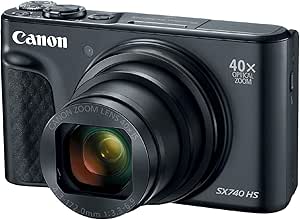 | Best for Long-Range Reporting | Sensor: 20.3 MP CMOS, 1/2.3 inch | Optical zoom: 40x | Image stabilization: Optical | VIEW LATEST PRICE | See Our Full Breakdown |
| Ricoh GR IV HDF Premium Compact Camera |  | Best for Low-Light Street Reporting | Sensor: 25.74 MP back-illuminated APS-C CMOS | Lens: 28 mm equivalent, f/2.8 | Image stabilization: 5-axis, 6-step | VIEW LATEST PRICE | See Our Full Breakdown |
| Kodak PIXPRO FZ45 16MP Compact Digital Camera |  | Best for Simple, Battery-Flexible Coverage | Sensor: 16 MP CMOS, 1/2.3 inch | Optical zoom: 4x | Lens: 27 mm wide angle | VIEW LATEST PRICE | See Our Full Breakdown |
| compact digital cameras for journalism | Sensor | Video | Optical zoom | Lens |
|---|---|---|---|---|
| Canon PowerShot ELPH 360 HS A | 20.2MP CMOS, 1/2.3-inch | Full HD 1080p at 30 fps | 12x | — |
| Sony RX100 VII Premium Compact | 20.1MP 1-inch stacked CMOS | 4K UHD | — | Zeiss 24–200mm equivalent, f/2.8–4.5 |
| Sony ZV-1F Compact Digital Vlo | 21MP effective, 1-inch CMOS | Up to 4K UHD | — | 20mm wide angle, F2 |
| Canon PowerShot SX740 HS 20.3M | 20.3MP CMOS, 1/2.3-inch | 4K UHD at 30p | 40x | — |
| Kodak PIXPRO FZ55 Compact Digi | 16MP CMOS, 1/2.3-inch | Full HD 1080p | 5x | 28mm wide angle |
| Canon PowerShot SX740 HS Compa | 20.3 MP CMOS, 1/2.3 inch | 4K | 40x | — |
| Ricoh GR IV HDF Premium Compac | 25.74 MP back-illuminated APS-C CMOS | 1080p | — | 28 mm equivalent, f/2.8 |
| Kodak PIXPRO FZ45 16MP Compact | 16 MP CMOS, 1/2.3 inch | 1080p | 4x | 27 mm wide angle |
More Details on Our Top Picks
Canon PowerShot ELPH 360 HS A 20.2MP Digital Camera Bundle, Silver
For quick assignments where pocketable reach matters more than large-sensor image quality, the ELPH 360 HS A offers a useful 25–300mm equivalent range. Its 12x optical zoom can frame a distant speaker or building detail without moving closer, while Intelligent IS helps steady handheld shots. The supplied card and case make this bundle ready to carry, and Wi-Fi and NFC simplify sharing from the camera. Compared with the Sony RX100 VII, though, its small 1/2.3-inch sensor and older Full HD video are less suited to dim press rooms or demanding video work. The 3-inch LCD aids framing, but the listed lack of a built-in flash limits options in dark interiors. I’d choose it for daylight, casual reporting where convenience and zoom outweigh image flexibility.
Pros:- 12x optical zoom spans 25–300mm equivalent framing
- Image stabilization helps with handheld shooting
- Wi-Fi and NFC support wireless sharing
- Bundle includes a 64GB memory card and case
Cons:- Small 1/2.3-inch sensor is less suited to low light
- Video tops out at Full HD 1080p
- No built-in flash is listed
Best for: Reporters who need a small, simple camera for daylight events, travel, and occasional distant subjects
Not ideal for: Journalists covering dim indoor briefings or relying on video, who would benefit from the RX100 VII’s 1-inch sensor and 4K recording
- Sensor:20.2MP CMOS, 1/2.3-inch
- Processor:DIGIC 4+
- Optical zoom:12x
- Focal range:25–300mm equivalent
- Video:Full HD 1080p at 30 fps
- Continuous shooting:Up to 7.2 fps
- Display:3-inch, 461,000-dot LCD
- Connectivity:Wi-Fi and NFC
- Included accessories:64GB memory card and case
Our verdict“Choose the ELPH 360 HS A for straightforward daylight reporting with useful zoom in a compact bundle.”
Sony RX100 VII Premium Compact Camera
The RX100 VII is the strongest all-round fit here for journalists balancing stills, video, and changing distances. Its 1-inch stacked sensor, 24–200mm equivalent zoom, and real-time subject tracking give it more room to handle fast-moving scenes than the Canon ELPH 360 HS A, whose smaller sensor and Full HD video suit simpler daylight assignments. The Sony’s 20 fps burst rate can help catch brief gestures, while 4K recording and a microphone jack expand its usefulness for field clips. Its compact body also includes an electronic viewfinder, useful in bright sun. The tradeoff is that this remains a small-sensor camera: it cannot match the low-light latitude of a larger-sensor option such as the Ricoh GR IV HDF. I’d pick it when one small camera needs to cover varied reporting tasks.
Pros:- 1-inch stacked CMOS sensor in a compact body
- 24–200mm Zeiss zoom covers wide and telephoto framing
- Real-time subject tracking with eye autofocus
- 4K video, microphone jack, and electronic viewfinder
Cons:- 1-inch sensor has less low-light latitude than larger-sensor cameras
- Battery-life information is not provided
- Small body can be less comfortable for extended handheld use
Best for: Mobile reporters who need fast autofocus, a broad zoom range, and both stills and video in one compact camera
Not ideal for: Journalists prioritizing maximum low-light image quality or long assignments without access to battery-life information
- Sensor:20.1MP 1-inch stacked CMOS
- Lens:Zeiss 24–200mm equivalent, f/2.8–4.5
- Autofocus:357-point phase detection and 425-point contrast detection
- Continuous shooting:Up to 20 fps
- Video:4K UHD
- Stabilization:Digital and optical
- Display:3-inch tilting LCD touchscreen
- Viewfinder:Electronic
- Weight:275 g
Our verdict“Pick the RX100 VII if you want the most versatile mix of tracking autofocus, zoom, and video in this group.”
Sony ZV-1F Compact Digital Vlog Camera
The ZV-1F is built around a wide 20mm lens and creator-focused video features, making it the clearest choice here for stand-ups and close interviews. Its directional microphone and supplied wind screen give spoken audio more attention than the stills-first Canon PowerShot SX740 HS, while the articulating touchscreen makes it easy to monitor a self-recorded segment. The 1-inch sensor and F2 aperture are also a more promising combination for dimmer scenes than the Kodak PIXPRO FZ55’s small sensor. Its fixed wide-angle framing is the main compromise: unlike the RX100 VII or the SX740 HS, it cannot optically zoom in on a distant source. Digital stabilization may also look less steady during movement than optical systems. I’d choose it when the assignment centers on a reporter speaking to camera, rather than changing-distance stills.
Pros:- Wide 20mm F2 lens suits close stand-ups and environmental framing
- 1-inch sensor supports stronger low-light potential than small-sensor compacts
- Articulating touchscreen helps with self-recording
- Directional microphone and wind screen support voice capture
Cons:- Fixed focal length provides no optical zoom
- Digital stabilization can be less effective during movement
- No viewfinder or built-in flash is listed
Best for: Journalists who regularly record direct-to-camera updates, short interviews, or wide environmental video
Not ideal for: Photojournalists who need optical zoom, an electronic viewfinder, or reliable framing of distant subjects
- Sensor:21MP effective, 1-inch CMOS
- Lens:20mm wide angle, F2
- Video:Up to 4K UHD
- Autofocus:Eye AF and autofocus tracking
- Screen:3-inch articulating touchscreen LCD
- Stabilization:Digital
- Audio:Directional microphone with wind screen accessory
- Connectivity:Bluetooth, Wi-Fi, Micro HDMI, and USB
- Weight:254 g
Our verdict“Choose the ZV-1F for journalist-led video and clear voice capture when a wide fixed view meets your assignments.”
Canon PowerShot SX740 HS 20.3MP Digital Camera Bundle
When a journalist cannot get close to the action, the SX740 HS offers the lineup’s most reach: its 40x optical zoom spans 24–960mm equivalent. That makes it more useful for distant speakers, street scenes, and details across a large venue than the Sony ZV-1F’s fixed 20mm lens or the RX100 VII’s shorter 24–200mm range. Optical stabilization helps manage camera shake at longer focal lengths, and 4K video at 30p adds useful detail for recorded coverage. The cost of that reach is bulk: the supplied data lists a 2.7-pound weight, a substantial burden for an everyday pocket camera. Its 1/2.3-inch sensor also offers less low-light flexibility than the RX100 VII’s 1-inch sensor, and no built-in flash is listed. I’d favor it for assignments where framing distant subjects takes priority over easy carry.
Pros:- 40x optical zoom reaches 960mm equivalent
- Optical stabilization helps steady long-zoom framing
- Records 4K UHD video at 30p
- Bundle includes a memory card, bag, battery, and charger
Cons:- Listed 2.7-pound weight is heavy for a compact camera
- 1/2.3-inch sensor is less suited to low light than the RX100 VII’s 1-inch sensor
- No built-in flash is listed
Best for: Reporters covering outdoor events or venues where they need to frame distant subjects from a fixed position
Not ideal for: Journalists who carry a camera all day or often work in dim interiors, given the listed weight and small sensor
- Sensor:20.3MP CMOS, 1/2.3-inch
- Optical zoom:40x
- Focal range:24–960mm equivalent
- Video:4K UHD at 30p
- Stabilization:Optical
- Aperture:f/2.8–f/5.6
- ISO range:100–6400
- Connectivity:Wi-Fi and Bluetooth
- Included accessories:Battery, charger, wrist strap, bag, and 64GB memory card
Our verdict“Choose the SX740 HS when distant-subject reach matters more than low-light flexibility and a light carry.”
Kodak PIXPRO FZ55 Compact Digital Camera, Blue
The PIXPRO FZ55 is the simplest carry in this group, weighing just 3.7 ounces. Its 5x optical zoom and 28mm wide-angle view cover basic scenes, while 1080p video and a rechargeable battery make it usable for quick notes or a backup camera kept close at hand. Compared with the Canon ELPH 360 HS A, it gives up substantial reach—the Canon’s 12x zoom is better for framing distant subjects—but the Kodak is lighter and supports cards up to 512GB. Its small 1/2.3-inch sensor and digital stabilization limit its appeal for demanding indoor reporting or handheld video in motion. The 2.7-inch, low-resolution LCD is also less helpful for checking fine focus than the larger screens on the Sony models. I’d treat it as an uncomplicated daylight backup, not a primary camera for varied assignments.
Pros:- Very light 3.7-ounce body
- 5x optical zoom with a 28mm wide-angle view
- Records Full HD 1080p video
- Supports SD, SDHC, and SDXC cards up to 512GB
Cons:- Small 1/2.3-inch sensor limits low-light flexibility
- Digital stabilization is less suited to moving handheld video
- 2.7-inch, 230,000-dot display offers limited detail for focus checks
Best for: Reporters seeking a very light secondary camera for daylight documentation and simple 1080p clips
Not ideal for: Working photojournalists who need dependable low-light quality, strong stabilization, or reach beyond modest zoom
- Sensor:16MP CMOS, 1/2.3-inch
- Optical zoom:5x
- Lens:28mm wide angle
- Video:Full HD 1080p
- Display:2.7-inch LCD, 230,000 dots
- Memory card support:Class 10 SD, SDHC, or SDXC up to 512GB
- Battery:Rechargeable lithium-ion
- Stabilization:Digital
- Weight:3.7 ounces
Our verdict“Choose the FZ55 as a light, basic daylight backup when low weight matters more than reach or advanced reporting features.”
Canon PowerShot SX740 HS Compact Digital Camera
The 40x optical zoom gives the SX740 HS a distinct reporting role: it can frame distant details from a fixed position, where the wider, fixed-lens view of the Ricoh GR IV HDF cannot reach. Optical stabilization helps steady those tight shots, and the tilting screen is useful when working above a crowd or near the ground. At 9.76 ounces, it stays easy to carry, while 4K recording adds flexibility for short video clips. The tradeoff is its 1/2.3-inch sensor, which is much smaller than the Ricoh’s APS-C sensor and less suited to dim interiors. I’d choose it for daylight assignments where reach matters more than low-light image quality.
Pros:- 40x optical zoom reaches distant subjects without relying on digital cropping.
- Optical image stabilization helps steady long-zoom shots.
- 4K video and time-lapse recording support mixed-format assignments.
- Tilting 3-inch screen helps with high or low shooting angles.
Cons:- Small 1/2.3-inch sensor is a limitation in low light.
- Long zoom range does not replace a fast lens for dim scenes.
- No water resistance is listed.
Best for: Reporters covering outdoor events, public meetings, or sports from a distance who need a pocketable zoom.
Not ideal for: Photojournalists working mainly in dim venues or seeking the larger-sensor image quality and fixed wide-angle view of the Ricoh GR IV HDF.
- Sensor:20.3 MP CMOS, 1/2.3 inch
- Optical zoom:40x
- Image stabilization:Optical
- Video:4K
- Screen:3-inch tilting LCD
- Continuous shooting:10 frames per second
- Connectivity:Bluetooth, Wi-Fi, NFC
- Weight:9.76 ounces
Our verdict“Choose the SX740 HS when distant subject reach is central to your reporting and most assignments happen in usable light.”
Ricoh GR IV HDF Premium Compact Camera
The APS-C sensor and 28 mm-equivalent f/2.8 lens make the GR IV HDF the lineup’s strongest fit for close, available-light street reporting. Compared with the Canon PowerShot SX740 HS, it gives up zoom range and 4K video, but its larger sensor and five-axis stabilization favor handheld stills when light falls. Its pocketable body and approximately 0.6-second startup suit quick moments, while the Highlight Diffusion Filter softens bright highlights for a distinctive rendering. That filter is a creative choice, though, and the fixed wide-angle lens can’t isolate distant subjects. The short listed battery life, no built-in flash, and lack of water resistance also ask for planning. I’d pick it for still-focused reporters who work close to the scene.
Pros:- 25.74 MP APS-C sensor offers a larger imaging area than the small-sensor zoom compacts.
- Pocketable body and approximately 0.6-second startup suit fast-moving street work.
- Five-axis stabilization helps reduce camera shake for handheld stills.
- Built-in Highlight Diffusion Filter provides a distinct rendering option.
Cons:- Fixed 28 mm-equivalent lens cannot zoom in on distant subjects.
- 1080p video falls short of the Canon SX740 HS’s 4K recording.
- Approximately 250-shot battery life, no built-in flash, and no water resistance constrain field use.
Best for: Street and community reporters who prioritize pocketability, available-light still photography, and a wide view of nearby scenes.
Not ideal for: Reporters who need telephoto framing, 4K video, weather protection, or long stretches away from a charger.
- Sensor:25.74 MP back-illuminated APS-C CMOS
- Lens:28 mm equivalent, f/2.8
- Image stabilization:5-axis, 6-step
- Highlight filter:Built-in Highlight Diffusion Filter
- ISO range:Up to 204800
- Startup time:Approximately 0.6 seconds
- Video:1080p
- Battery life:Approximately 250 shots per charge
Our verdict“Choose the GR IV HDF for discreet, close-range reporting and still-image quality when a fixed wide lens fits your work.”
Kodak PIXPRO FZ45 16MP Compact Digital Camera
The FZ45 is the straightforward pick for reporters who want basic framing and can’t depend on access to a charger: it runs on two AA batteries, which can be replaced in the field. Its 27 mm wide-angle lens is handy for nearby scenes, but its 4x optical zoom offers far less reach than the Canon PowerShot SX740 HS’s 40x range. The 2.7-inch screen and 1080p video cover simple documentation, while the 4.1-ounce weight keeps it easy to carry. For journalism, the bigger compromises are digital image stabilization and no listed wireless connectivity, both of which make steady shooting and quick file transfer less convenient. I’d treat it as a basic daylight backup, not a camera for demanding assignments.
Pros:- Two AA batteries can be replaced without waiting for a recharge.
- 27 mm wide-angle lens suits nearby scenes and small groups.
- Very light at 4.1 ounces.
- Records 1080p video for basic clips.
Cons:- 4x optical zoom has much less reach than the Canon PowerShot SX740 HS.
- Digital image stabilization offers less support for shaky handheld shots than optical stabilization.
- No wireless connectivity is listed for transferring files.
Best for: Occasional local reporters or student journalists who want a lightweight point-and-shoot and the option to swap in AA batteries.
Not ideal for: Working reporters who need strong stabilization, long-range framing, wireless file transfer, or dependable results in low light.
- Sensor:16 MP CMOS, 1/2.3 inch
- Optical zoom:4x
- Lens:27 mm wide angle
- Video:1080p
- Screen:2.7-inch LCD
- Power:2 AA alkaline batteries
- Memory cards:Class 10 SD, SDHC, or SDXC up to 512GB
- Weight:4.1 ounces
Our verdict“Choose the FZ45 as a lightweight, simple backup for well-lit assignments when replaceable batteries matter more than reach or connectivity.”

How We Picked
I ranked these cameras for the conditions journalism creates: fleeting moments, changing distances, limited time to adjust settings, and the need to move without drawing attention. I weighed autofocus and response, lens flexibility, low-light potential, portability, handling, and usefulness for both stills and video. A camera’s headline megapixel count mattered less than whether its overall design could support a reporting workflow.
The RX100 VII leads because it balances speed and reach more convincingly than the fixed-lens GR IV HDF or the video-focused ZV-1F. The GR IV HDF ranks highly for discreet still photography, while the SX740 HS earns a distinct role for distant subjects. Simpler point-and-shoot models sit lower because their ease of use does not, by itself, address the focus, control, and workflow demands of regular assignments. The two SX740 HS listings describe the same camera family, so I treat them as one practical option rather than implying that a bundle creates a different camera.
| compact digital cameras for journalism | Connectivity | Stabilization |
|---|---|---|
| Canon PowerShot ELPH 360 HS A | Wi-Fi and NFC | — |
| Sony RX100 VII Premium Compact | — | Digital and optical |
| Sony ZV-1F Compact Digital Vlo | Bluetooth, Wi-Fi, Micro HDMI, and USB | Digital |
| Canon PowerShot SX740 HS 20.3M | Wi-Fi and Bluetooth | Optical |
| Kodak PIXPRO FZ55 Compact Digi | — | Digital |
| Canon PowerShot SX740 HS Compa | Bluetooth, Wi-Fi, NFC | — |
| Ricoh GR IV HDF Premium Compac | — | — |
| Kodak PIXPRO FZ45 16MP Compact | — | — |
Factors to Consider When Choosing Compact Digital Cameras For Journalism
I would choose around the assignment and the delivery workflow, rather than treating “compact” as a guarantee that a camera is ready for every reporting job. These broader checks can help narrow the field before comparing individual models.
Match Lens Reach to Reporting Distance
Think about where you can stand and whether you can move closer before choosing a lens range. A long zoom helps when access is restricted at a press event, public meeting, or street scene, but it can make framing harder at the wide end and may be less useful as light fades. A fixed or short zoom asks you to work nearer and compose deliberately, which can be an advantage in crowded spaces. A common mistake is to buy the greatest zoom range available and assume it solves every framing problem. If you regularly photograph both nearby interviews and distant action, prioritize a useful range and responsive autofocus together.
Check Low-Light Limits Before an Evening Assignment
Indoor hearings, night streets, and dim venues test a compact camera more than bright outdoor scenes do. Small sensors and slower lenses can force higher sensitivity, which may produce grainier files or blur when the shutter slows. Stabilization can reduce shake from your hands, but it cannot freeze a moving speaker or passerby. Before buying, look beyond megapixels and check the lens aperture across its zoom range, sensor performance, and available shutter controls. If low-light work is routine, a slightly less versatile lens may be the better choice when it lets in more light.
Treat Audio as Part of the Camera Decision
A compact camera can record a useful interview, but internal microphones may capture handling noise, wind, and surrounding conversation along with the speaker. Video-first designs can offer a more natural starting point for pieces to camera, while still-oriented models may need accessories or a separate recorder. Check for a microphone input, headphone monitoring, and how easily you can attach a small microphone before counting on a camera for publishable sound. Also consider whether accessories undermine the discreet size that made the camera attractive. For important interviews, a planned audio setup matters more than a small difference in video resolution.
Test the Controls You Need Under Time Pressure
Reporting rarely leaves much time to search through menus while a moment unfolds. A clear exposure adjustment, dependable autofocus controls, and a screen you can read in bright light can make more difference than a long list of advanced modes. Beginners may prefer automatic operation, but should still be able to lock focus or adjust exposure when the camera gets a scene wrong. Before settling on a model, check how quickly it wakes, focuses, and lets you review a file. A compact camera that is simple to carry but slow to operate may miss the moment it was meant to capture.
Plan for File Transfer, Power, and Backup
A camera is only useful to a newsroom if its files reach an editor reliably and on deadline. Check how it transfers images, whether your phone or laptop can read its card format, and whether wireless transfer fits your security and connectivity needs. Battery life can vary with screen use, wireless connections, and video recording, so account for spare batteries or a charging plan on long assignments. Carrying a second card or another backup path can reduce the impact of card loss or corruption. Do not assume a bundled accessory solves workflow needs; verify compatibility and keep a transfer method you can use without a network.
Frequently Asked Questions
Is a compact camera a dependable substitute for my phone on assignments?
It can be, especially when you need optical zoom, dedicated camera controls, or a separate device for reporting. A compact does not automatically produce better journalism: autofocus reliability, exposure control, and file transfer still shape whether you can deliver the image. Phones may be faster for immediate sharing and can perform well computationally in low light. I would choose a compact when its lens or handling solves a real assignment need, then confirm that its transfer workflow fits your newsroom.
Should I choose optical zoom or a brighter lens for reporting?
Choose based on the distances and light you face most often. Optical zoom is valuable when you cannot approach a subject, but maximum zoom is not always usable indoors or after dark. A brighter lens can help keep shutter speeds high enough for moving subjects, though it may offer less reach. If your assignments vary, decide which limitation would cause you to miss more pictures: being too far away or not having enough light.
Can one compact camera cover both still photographs and interview video?
Often, but mixed assignments require checks beyond recording resolution. Confirm that autofocus stays dependable during video, the camera can accept the audio equipment you need, and long clips will not be interrupted by heat or file limits. Still-focused cameras can capture strong moments but may make sound recording awkward. Video-oriented models can simplify interviews, though their lens and controls may be less suited to distant still subjects.
Are two listings for the same camera model meaningfully different?
They may differ in included accessories or packaging while using the same camera body and core imaging system. Compare the exact model number and verify each included battery, charger, card, case, or cable rather than judging by the word “bundle.” Accessories are useful only if they fit your workflow and are compatible. For a journalistic comparison, the camera’s focus, lens, controls, and file support should carry more weight than bundle contents.
What should I verify before relying on a compact camera for a deadline?
Confirm that it writes the file formats your editor accepts and that you can transfer a full-resolution image to your computer or phone using your actual setup. Check battery capacity, card compatibility, focus behavior in the light you expect, and whether you can review images quickly. If you plan to record interviews, test microphone connections and playback audio as well. A short workflow check before an assignment can reveal bottlenecks that a feature list will not.
Conclusion
I would choose the Sony RX100 VII as the best overall for reporters who need one compact camera to handle varied distances and fast moments. For best value in reach, the Canon PowerShot SX740 HS makes more sense when distant subjects are common and its limits in dim light fit the assignment. The Ricoh GR IV HDF is my premium pick for discreet street stills, while the Sony ZV-1F suits beginners focused on video and pieces to camera. For straightforward daylight documentation, the Canon ELPH 360 HS and Kodak PIXPRO models are simpler options; choose them only if their controls and workflow meet the job. Match the camera to your reporting conditions, then verify focus, audio, and file transfer before relying on it for a deadline.
Halloween Picks
halloween
As an affiliate, we earn on qualifying purchases.