
TL;DR
Serbian President Aleksandar Vučić announced that early parliamentary elections will take place on October 25. The move comes more than a year before the scheduled date, signaling a significant political development. The announcement has implications for Serbia’s political landscape and upcoming governance.
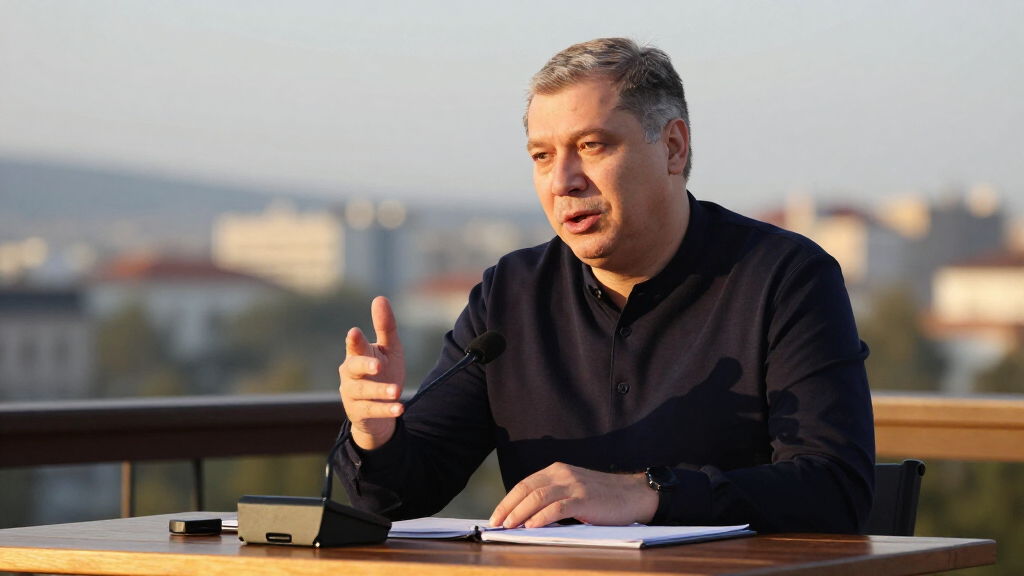
Serbian President Aleksandar Vučić announced on March 15 that early parliamentary elections will be held on October 25, 2024. The decision comes more than a year before the originally scheduled election cycle, marking a significant political move that could reshape Serbia’s government and regional relations. The announcement was made during a televised address, emphasizing its importance for the country’s political future.
According to official statements, President Vučić confirmed that the elections will take place on October 25, 2024, citing the need for political stability and public mandate. The early election call was unexpected, as the next regular parliamentary elections were scheduled for 2025. The move has been described by Vučić as a way to ‘strengthen the government’s mandate’ amid ongoing domestic and regional challenges.
Political analysts note that this decision could be motivated by internal pressures, upcoming regional issues, or a desire to consolidate power ahead of potential opposition challenges. The Serbian Progressive Party (SNS), led by Vučić, has maintained a strong majority in parliament, but the early election could alter the balance of power depending on the campaign’s outcome.
Opposition parties have responded cautiously. Some have criticized the move as a tactic to prolong Vučić’s rule, while others have called for fair electoral processes. The State Election Commission has confirmed preparations are underway for the October vote, with campaign activities expected to intensify in the coming months.
Implications for Serbia’s Political Stability and Regional Relations
The announcement of early elections by President Vučić signals a potential shift in Serbia’s political landscape, with possible impacts on domestic stability and regional diplomacy. Holding elections ahead of schedule may be seen as an effort to legitimize Vučić’s leadership amid internal dissent or external pressures, especially given regional tensions in the Balkans.
The move could also influence Serbia’s EU accession negotiations and its relations with neighboring countries. Analysts suggest that the election outcome might determine the country’s future policy directions, including economic reforms, foreign policy, and internal governance. For voters, the election presents an opportunity to shape the country’s trajectory at a critical juncture.
As an affiliate, we earn on qualifying purchases.
Serbia’s Political Timeline and Recent Developments
Serbia’s last parliamentary elections took place in 2022, with Vučić’s Serbian Progressive Party (SNS) securing a majority. Since then, Vučić has maintained a dominant political position, often citing the need for stability amid regional tensions and internal challenges. The decision to call early elections is unusual, as the next scheduled elections were set for 2025, indicating a strategic shift by Vučić’s administration.
Historically, Serbian presidents have occasionally called early elections to capitalize on favorable political conditions or to address crises. The current move aligns with a broader regional trend of leaders seeking to extend or reinforce their mandates amid complex geopolitical dynamics.
There has been speculation about internal party strategies and external influences, but no official reasons beyond Vučić’s public statements have been provided. The political environment remains tense, with opposition groups preparing for the campaign and regional actors watching closely.
“We will hold early parliamentary elections on October 25, 2024, to strengthen the mandate of our government and ensure stability.”
— Serbian President Aleksandar Vučić
Serbian political campaign posters
As an affiliate, we earn on qualifying purchases.
As an affiliate, we earn on qualifying purchases.
Factors Influencing the Election Outcome and Future Policy
It remains unclear how the opposition will respond to the early election call or whether Vučić’s government will maintain its current level of support. The exact reasons behind the timing are also unconfirmed, with speculation about internal party dynamics or external pressures. The impact of regional tensions and Serbia’s EU accession process on voter behavior is still uncertain.
Additionally, the campaign strategies of various political actors are still developing, and it is not yet clear how electoral laws or international observers will influence the process.
As an affiliate, we earn on qualifying purchases.
Next Steps in Serbia’s Electoral Preparations and Campaigns
In the coming months, political parties will ramp up campaign activities, with official candidate lists expected to be announced by late summer. The Election Commission will oversee preparations, including voter registration and logistical arrangements. International observers may also monitor the process to ensure fairness.
Vučić’s government will likely focus on consolidating support and addressing key issues such as economic development, regional stability, and EU integration. The opposition is expected to mobilize and challenge the ruling party, potentially leading to a contentious campaign environment.
The outcome of the October elections will shape Serbia’s political direction for the next several years, with possible shifts in domestic policy and regional diplomacy depending on the results.
Serbia election campaign merchandise
As an affiliate, we earn on qualifying purchases.
As an affiliate, we earn on qualifying purchases.
Key Questions
Why did Vučić call early elections?
Vučić cited the need to strengthen the government’s mandate and ensure stability, though analysts suggest internal political strategy or regional factors may also have influenced the decision.
How might early elections affect Serbia’s regional relations?
The elections could impact Serbia’s regional diplomacy, especially regarding Kosovo, EU accession talks, and relations with neighboring countries, depending on the election outcome.
Are opposition parties prepared for the early elections?
Opposition groups are mobilizing for the campaign, but their strategies and support levels remain uncertain as the election date approaches.
Will international observers oversee the election?
It is expected that international organizations will monitor the electoral process to ensure transparency, but specific arrangements are still being finalized.
What are the potential risks of holding early elections?
Risks include political polarization, unrest, or questions about the fairness of the process, especially if opposition challenges or external pressures intensify.
Source: rss