
TL;DR

Get everyday essentials delivered free with Prime
- Fast, free delivery on millions of items
- Prime Video, Amazon Music and more included
- Member-only deals all year
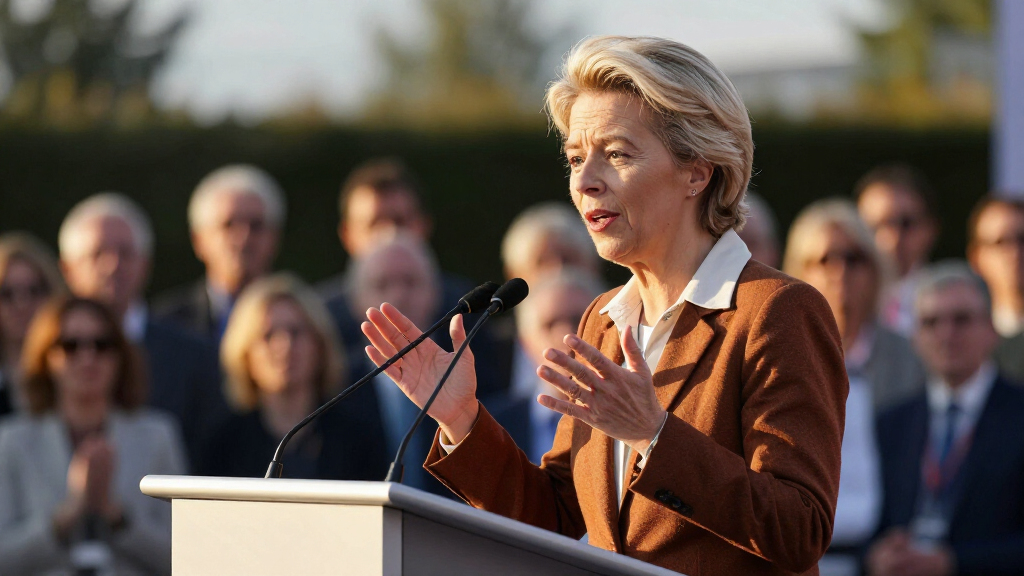
European Commission President Ursula von der Leyen spoke at the ‘La Rencontre des Entrepreneurs de France 2026’ conference, highlighting EU initiatives on economic growth and international partnerships. The speech focused on innovation, sustainability, and strengthening ties with Africa. Details on specific policies are still emerging.
European Commission President Ursula von der Leyen addressed the audience at the annual conference ‘La Rencontre des Entrepreneurs de France 2026’ today, highlighting key EU initiatives to boost economic growth, foster innovation, and strengthen international partnerships, particularly with Africa. See her video message for more details. The speech underscores the EU’s commitment to supporting entrepreneurs and advancing sustainable development, making it a significant moment for European and global economic policy. Read more about the EU’s initiatives in this statement.
In her speech, von der Leyen emphasized the importance of innovation and digital transformation as drivers of economic resilience within the EU. She announced new funding programs aimed at supporting startups and small businesses across member states, with a focus on green technologies and digital infrastructure. The President also reiterated the EU’s commitment to strengthening ties with Africa, proposing new trade agreements and development projects designed to foster sustainable growth and reduce economic disparities.
During her remarks, von der Leyen highlighted the EU’s recent efforts to promote climate-friendly policies and green energy investments, positioning the bloc as a leader in global sustainability initiatives. You can see her statement with Taoiseach Martin for more context. She also called for increased cooperation among European nations and with international partners to address shared challenges such as climate change, digital security, and economic stability.
The speech was well-received by the audience, which included entrepreneurs, policymakers, and representatives from various industries. While specific policy details are still forthcoming, her remarks suggest a strategic focus on innovation, international cooperation, and sustainable development as pillars of the EU’s future economic agenda.
Implications for EU Economic Strategy and Global Partnerships
This speech signals a clear intent by the EU leadership to prioritize innovation-driven growth and international cooperation, especially with Africa. It underscores the EU’s aim to remain competitive in the global economy while addressing pressing issues like climate change and digital transformation. The emphasis on new funding and trade initiatives could influence future policy directions, impacting entrepreneurs and international partners alike. The focus on sustainability aligns with broader EU commitments to climate goals, reinforcing the bloc’s leadership role on the world stage.
digital infrastructure for startups
As an affiliate, we earn on qualifying purchases.
As an affiliate, we earn on qualifying purchases.
Background on EU’s Economic and Diplomatic Initiatives
Ursula von der Leyen has previously emphasized digital transformation and sustainable development as central to the EU’s policy agenda. The EU has launched several funding programs for startups and green technologies in recent years, aiming to boost innovation and climate resilience. The EU’s strategic partnership with Africa has also gained prominence, with recent trade agreements and development aid aimed at fostering economic stability and reducing disparities. This speech at the French entrepreneurs conference aligns with ongoing efforts to promote a cohesive economic and diplomatic strategy.
Prior to this event, EU leaders have signaled a desire to enhance cooperation with African nations through new trade, investment, and development initiatives, reflecting a broader geopolitical shift towards strengthening global partnerships amid changing international dynamics.
“Our future depends on innovation, sustainability, and strong international partnerships. The EU is committed to leading in these areas.”
— Ursula von der Leyen
As an affiliate, we earn on qualifying purchases.
Details of Specific Policy Commitments Still Unclear
While von der Leyen’s speech outlined broad priorities, specific policy measures, funding allocations, and legislative proposals remain to be detailed. It is not yet clear how these initiatives will be implemented or funded, and whether they will face legislative approval or opposition within the EU.
As an affiliate, we earn on qualifying purchases.
Next Steps Include Policy Announcements and Follow-up Actions
In the coming weeks, the EU Commission is expected to release detailed plans on new funding programs and international cooperation initiatives mentioned in the speech. Follow-up meetings with African partners and European stakeholders are also anticipated to solidify the proposed trade and development agreements. The speech sets the stage for a series of policy rollouts aligned with the EU’s broader strategic goals.
As an affiliate, we earn on qualifying purchases.
Key Questions
What are the main themes of von der Leyen’s speech?
Her speech focused on innovation, sustainability, international cooperation, particularly with Africa, and supporting startups and green technologies within the EU.
Are specific policies or funding programs announced?
No, detailed policies and funding allocations were not specified during the speech but are expected to be announced in the upcoming weeks.
How does this speech impact EU-Africa relations?
It signals a renewed focus on strengthening economic and development ties through new trade agreements and joint projects aimed at sustainable growth.
Will there be legislative approval for these initiatives?
It remains to be seen; the proposals will likely require approval from EU institutions, and their success depends on political consensus.
Source: primary
Halloween Picks
halloween
As an affiliate, we earn on qualifying purchases.