Choosing a reverse osmosis system can significantly improve your water quality, but with so many options, it’s hard to know where to start. The iSpring RCC7AK stands out as the best overall for its comprehensive 6-stage filtration and remineralization. For those seeking a high-capacity, tankless setup, the Waterdrop G2 offers impressive performance with 400 GPD and advanced TDS reduction. However, tradeoffs include higher costs or more complex installation for premium features. Keep reading to see how these systems compare and find the right fit for your needs.
Key Takeaways
- The top models balance filtration quality with ease of maintenance and installation complexity.
- Tankless systems like Waterdrop G2 and G3P600 offer higher flow rates but tend to be more expensive and require precise setup.
- Remineralization features are popular for those who want mineral-rich, better-tasting water, but they add to the system’s complexity and cost.
- Certification from organizations like NSF/ANSI provides confidence in product safety and performance.
- Price points vary widely; the best value models deliver reliable filtration without unnecessary extras.


More Details on Our Top Picks
iSpring RCC7AK 6-Stage Reverse Osmosis System with Mineral Remineralization
This model stands out for its comprehensive 6-stage filtration and built-in remineralization, which restores essential minerals and balances pH—an advantage over simpler systems like the APEC ROES-50 that focus solely on contaminant removal. The top-mounted, DIY-friendly installation and transparent housing make maintenance straightforward, but it might challenge those with limited plumbing skills. While the remineralization feature improves water taste and health benefits, it adds complexity and potential cost to filter replacements, which are more frequent than with basic units. Compared to the Waterdrop G2, this system offers a more traditional design but less flow rate. It’s an excellent choice for homeowners seeking a reliable, all-in-one solution, willing to handle regular maintenance for improved water quality.
Pros:- Easy top-mounted installation for quick setup
- Remineralization restores minerals and pH balance for better taste
- Transparent housing allows simple filter monitoring
- NSF certified for safety and performance
Cons:- Installation may require some plumbing skills
- Filter replacements can be costly over time
- Regular maintenance needed to sustain performance
Best for: Homeowners who want mineral-rich, balanced water with straightforward installation.
Not ideal for: Renters or those with limited DIY skills, as installation may be challenging without plumbing experience.
- Flow Rate:75 GPD
- Certification:NSF/ANSI 58
- Stages:6
- Remineralization:Yes
- Installation:Top-mounted, DIY-friendly
- Filter Life:F4AK (6 months), F9K (1 year), F19K75 (2 years), F28K75 (3 years)
Bottom line: This system suits those seeking balanced, mineral-enhanced water and are comfortable with ongoing maintenance.
APEC Water 5-Stage Under Sink Reverse Osmosis Water Filter System, ROES-50 Essence Series, WQA Certified, 50 GPD
Compared with more advanced or tankless options like the Waterdrop G2 or G3P600, the APEC ROES-50 provides consistent performance with its 5-stage filtration, removing over 99.99% of common contaminants. Its straightforward under-sink design makes it suitable for most homes, with a proven track record for effective purification and durability. The system’s capacity of 50 GPD balances capacity with compact size, but it requires regular filter changes—up to every 24 months for some components—which could be inconvenient for heavy users. While it lacks additional stages like UV or remineralization, its WQA certification guarantees quality. For buyers seeking a dependable, no-frills system at a reasonable price, this makes an excellent choice, especially if long-term cost of filter replacements is manageable.
Pros:- Removes over 99.99% of contaminants including lead and arsenic
- Long-lasting filters reduce replacement frequency
- Easy DIY installation with clear instructions
- WQA certified for safety and performance
Cons:- Requires regular filter replacements
- Limited to basic contaminant removal without additional stages
- No UV or remineralization features
Best for: Families looking for a reliable, cost-effective filtration system with proven contaminant removal.
Not ideal for: Those wanting mineralization, alkalinity, or higher flow rates for large households or commercial use.
- Product Type:Water Purification System
- Filtration Stages:5
- Flow Rate:50 GPD
- Dimensions:16″L x 5.25″W x 17.5″H
- Weight:11.3 kg
- Supported Water TDS Level:up to 2000 ppm
Bottom line: Ideal for budget-conscious households seeking dependable filtration with minimal fuss.
Waterdrop G2 7-Stage Tankless Reverse Osmosis System, 400 GPD, Under Sink Water Filter, Reduces TDS, FCC Listed
This system excels in delivering a high flow rate of 400 GPD, making it suitable for large families or small businesses that need abundant filtered water quickly. Its tankless design saves under-sink space and reduces water waste, unlike traditional tank-based units. The 7-stage filtration process includes advanced TDS reduction and contaminant removal, comparable to the Waterdrop G3P600 but with a lower daily capacity. The installation requires an electrical outlet and possibly drilling, which could be a hurdle for some. Its compact size and quick filter replacements make it appealing for those with limited space who demand large volumes of clean water. This system is best suited for users prioritizing capacity and efficiency over initial ease of setup.
Pros:- High flow rate of 400 GPD for rapid water supply
- Tankless design saves space and reduces waste water
- Simple twist-and-pull filter replacements
- NSF/ANSI 372 lead-free materials
Cons:- Requires electrical outlet and installation effort
- Installation process may take time and space planning
- Higher initial cost compared to basic systems
Best for: Large households or small commercial settings needing high-volume, space-efficient filtration.
Not ideal for: Renters or those unwilling to deal with electrical connections and installation complexity.
- Type:WATER_PURIFICATION_UNIT
- Filtration Stages:7
- Flow Rate:400 GPD
- Drain Ratio:1:1
- Dimensions:17.33″ L x 5.91″ W x 13.98″ H
- Supported Water TDS Level:300 PPM
Bottom line: Best suited for users needing large quantities of filtered water with space-saving features and are prepared for more involved installation.
iSpring RCC7AK-BLK 6-Stage Reverse Osmosis Water Filter System with Alkaline Remineralization and Black Faucet
The iSpring RCC7AK-BLK combines effective 6-stage filtration with an alkaline remineralization process, restoring natural minerals for a better taste and health benefits. Its stylish black faucet adds a modern touch, setting it apart from more utilitarian designs like the standard RCC7AK. It effectively reduces over 1,000 contaminants with up to 99% removal, comparable to other 6-stage units, but its filter lifespan isn’t specified, which could lead to higher ongoing costs. The system’s sleek appearance suits contemporary kitchens, and its straightforward installation makes it accessible for DIY enthusiasts. However, it requires under-sink space and may be less suitable for users seeking longer-term filter cycle information or higher capacity units. This makes it ideal for those prioritizing aesthetics and mineral-rich water.
Pros:- Restores natural alkalinity and minerals for better taste
- Reduces over 1,000 contaminants effectively
- Stylish black faucet enhances kitchen decor
- Easy DIY installation with leak protection
Cons:- No specified filter lifespan, increasing uncertainty
- Requires space under sink for installation
- Potentially higher cost than basic systems
Best for: Design-conscious homeowners who want mineralized, pure water with a modern look.
Not ideal for: Users with limited under-sink space or those needing very long filter lifespans without frequent changes.
- Type:Water Purification System
- Stages:6
- Capacity:75 Gallons
- Dimensions:15.5″L x 16″W x 18″H
- Weight:20 Pounds
- Supported Water TDS Level:97 PPM
Bottom line: Perfect for homeowners seeking mineralized, pure water with a sleek aesthetic and straightforward setup.
Waterdrop G3P600 8-Stage Tankless Reverse Osmosis Water Filter System with Smart LED Faucet
The Waterdrop G3P600 offers an advanced 8-stage filtration process with a remarkable capacity of 600 GPD, ideal for large households or small offices. Its smart LED faucet provides real-time updates on water quality and filter status, adding a layer of convenience not found in most systems like the RCC7AK or the G2. The tankless design maximizes under-sink space and minimizes water waste, making it a highly efficient choice. Installation requires an electrical outlet and some cabinet measurements, which could be a hurdle for less experienced DIYers. While the system is more expensive upfront, its high capacity and smart features justify the investment for those wanting continuous, high-quality water with minimal waste. It’s best for tech-savvy users who prioritize capacity and monitoring.
Pros:- High daily production of 600 gallons for heavy use
- Smart LED display monitors water quality and filter status
- Tankless, space-saving design reduces clutter
- Low drain ratio for efficiency
Cons:- Requires electrical connection and precise installation
- Higher initial cost compared to simpler models
- Installation may be complex for some users
Best for: Large families or small offices seeking high-volume, smart-enabled filtration with space efficiency.
Not ideal for: Renters or those unwilling to handle electrical connections and detailed installation steps.
- Filtration Stages:8
- Daily Water Production:600 gallons
- Drain Ratio:2:1
- Flow Rate:8 oz in 8 seconds
- Dimensions:18.12″ L x 5.67″ W x 17.72″ H
- Certifications:NSF/ANSI 42, 53, 58, 372
Bottom line: Best suited for users needing large volumes of water with real-time system monitoring and modern features.
iSpring RCC7 5-Stage Reverse Osmosis Water Filter System with Brushed Nickel Faucet
The iSpring RCC7 earns the top spot thanks to its high capacity and proven effectiveness at removing over 1,000 contaminants, including lead, fluoride, and arsenic. Certified to NSF/ANSI 58 standards, it offers peace of mind for families seeking safe, great-tasting water without complex maintenance. Compared with the Express Water system, which is easier to install, the RCC7’s robustness and NSF certification make it better suited to households prioritizing safety and durability. Its leak-free, low-maintenance design and included lead-free faucet elevate its appeal, though it does require more under-sink space and periodic filter changes. This model is ideal for those who want a reliable, long-term solution for high-volume water needs without frequent upkeep.
Pros:- Removes over 1,000 contaminants for comprehensive safety
- Certified to strict NSF/ANSI standards ensuring quality
- Leak-free, low-maintenance design with durable materials
- Includes a stylish, lead-free faucet and food-grade tubing
Cons:- Requires sufficient under-sink space for installation
- Periodic filter replacements add ongoing maintenance
- No powered features—relies solely on water pressure
Best for: Families or households needing high capacity and certified safety for daily drinking water
Not ideal for: Small kitchens or singles who prefer a compact, minimal setup with less frequent filtration needs
- Capacity:75 GPD
- Certification:NSF/ANSI 58
- Number of Stages:5
- Faucet Material:Brushed Nickel
- Filter Housing Material:Impact-resistant AS-material
- Flow Rate:75 gallons per day
Bottom line: This system suits those prioritizing capacity, certification, and long-term reliability over size and simplicity.
Express Water NSF Certified 5-Stage Reverse Osmosis Water Filtration System with Faucet and Tank
The Express Water system makes a compelling choice for DIY enthusiasts thanks to its straightforward installation process and built-in leak detection. It reduces contaminants like lead, chlorine, fluoride, and arsenic up to 99.99%, matching the effectiveness of models like the iSpring RCC7, but with simpler setup. Its included faucet, tank, and four filters streamline the purchase, making it ideal for those who want a complete package. The leak detection feature adds an extra layer of safety, but the 50 GPD flow rate may fall short for larger households, and frequent filter replacements could increase maintenance time. This pick is best for users seeking an affordable, easy-to-install system that delivers safe water without fuss.
Pros:- Effective removal of a broad range of contaminants
- Simple DIY installation process
- Leak detection enhances safety and peace of mind
- Includes environmentally friendly filters
Cons:- Requires regular filter replacements, adding ongoing costs
- Limited tank size may not meet large household demands
- Flow rate could be insufficient during peak usage
Best for: Homeowners or renters who want a reliable, easy-to-maintain system with quick DIY setup
Not ideal for: Large households or heavy users who need higher flow rates and larger tank capacity
- Filter Stages:5
- Flow Rate:50 GPD
- Dimensions:14 x 17 x 5 inches
- Color:White
- Includes:Faucet, Tank, 4 Filters
Bottom line: This system is ideal for those wanting straightforward installation and reliable contaminant removal in a compact form.
How We Picked
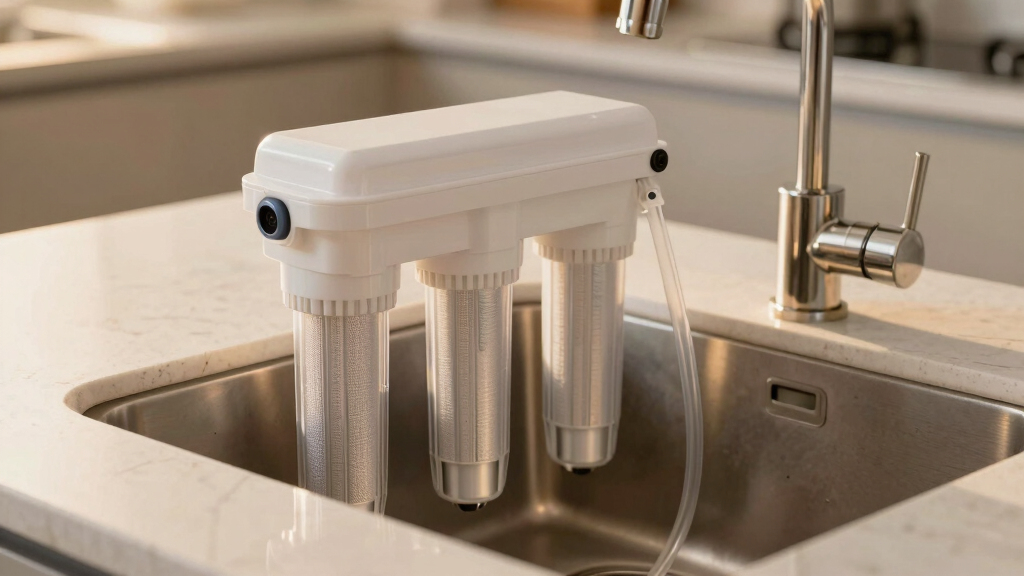
These reverse osmosis systems were evaluated based on performance, build quality, ease of installation, maintenance requirements, and overall value. We prioritized models with proven filtration effectiveness, high durability, and certifications from reputable bodies like NSF or WQA. Systems with user-friendly features, such as smart faucets or minimal filter replacement complexity, ranked higher. Our ranking reflects a balanced view of these factors, aiming to recommend options suitable for different budgets and user expertise levels.Factors to Consider When Choosing Reverse Osmosis System
When selecting a reverse osmosis system, it’s important to consider several factors that influence performance, cost, and convenience. Understanding these aspects helps avoid common pitfalls like overspending on unnecessary features or choosing systems incompatible with your water supply. Here are key considerations to guide your decision:Filtration Stages and Water Quality
Not all reverse osmosis systems are created equal in terms of filtration stages. More stages often mean better removal of contaminants, but they can also increase maintenance and cost. Decide what impurities are most relevant—such as heavy metals, sediments, or TDS—and choose a system with appropriate stages. For example, remineralization adds back essential minerals, improving taste and health benefits, but may not be necessary for everyone.
Flow Rate and Capacity
Consider how much water your household needs daily. Systems like the Waterdrop G2 offer high flow rates suitable for larger families or high usage, while smaller models suffice for light use. Tankless systems tend to have higher flow but require proper installation space and power sources. Be cautious of systems offering high capacity but at significantly increased costs or complexity.
Ease of Installation and Maintenance
Some systems are designed for DIY setup, while others may require professional installation, increasing upfront costs. Maintenance involves replacing filters and membranes—look for models with clear indicator lights or easy-to-access parts to simplify this process. Overly complex systems might deter regular upkeep, affecting long-term performance.
Certifications and Safety
Always check for certifications from organizations like NSF or WQA, which verify that the system meets safety and performance standards. Certified models reduce the risk of contaminants slipping through and ensure that the system adheres to health guidelines. Skipping certification may save money initially but can compromise water quality.
Cost and Value
Balance your budget with the features you need. Higher-priced systems often include advanced features, higher capacities, and better materials, but may not be necessary for small households. Conversely, budget models can provide decent filtration but might require more frequent maintenance or lack certain conveniences. Consider long-term costs, including replacement filters and potential repairs, to gauge overall value.
Frequently Asked Questions
How often do I need to replace filters in a reverse osmosis system?
Most reverse osmosis systems require filter replacement every 6 to 12 months, depending on usage and water quality. The pre-filters and post-filters tend to need more frequent changes, while the membrane lasts longer—up to 2-3 years in some cases. Regular maintenance is crucial to maintain optimal filtration performance and prevent buildup of contaminants. Many newer models include filter change indicators to simplify this process.
Can I install a reverse osmosis system myself?
Many reverse osmosis systems are designed for DIY installation, especially those with clear instructions and modular parts. However, some models with advanced features or higher capacities might require professional setup to ensure proper plumbing connections and electrical hookups. Assess your comfort level with plumbing tasks and consult the installation guide before starting. Proper installation is essential to avoid leaks and ensure system longevity.
Is a tankless reverse osmosis system better than traditional tank models?
Tankless systems like the Waterdrop G2 or G3P600 offer higher flow rates and save space, making them appealing for modern kitchens. However, they tend to be more expensive upfront and may require precise installation. Traditional tank models are often simpler, more affordable, and easier to install, but they take up more space and may have slower refill times. Your choice depends on your space constraints, water usage, and budget.
Do reverse osmosis systems waste a lot of water?
Yes, traditional reverse osmosis units typically produce wastewater at a ratio of about 3:1 or 4:1—meaning three or four gallons of water are flushed away for every gallon of purified water. Some newer models aim to reduce this waste with more efficient designs, but it’s a common tradeoff for high-quality filtration. If water conservation is a priority, look for systems with a lower wastewater ratio or consider models with permeate pumps that improve efficiency.
Are reverse osmosis systems safe for whole-house use?
While most reverse osmosis systems are designed for under-sink installation, some larger or specialized units can serve an entire household. However, whole-house systems tend to be more complex and costly, requiring careful sizing and professional installation. For most homeowners, under-sink models provide sufficient filtration for drinking and cooking water, while whole-house systems are better suited for removing contaminants from all household water sources.