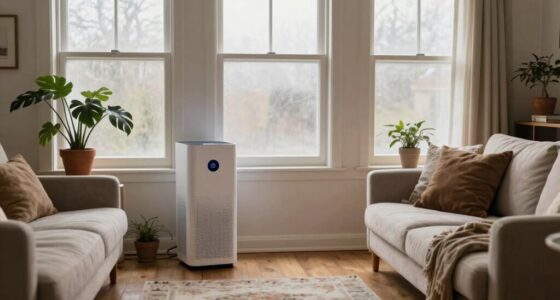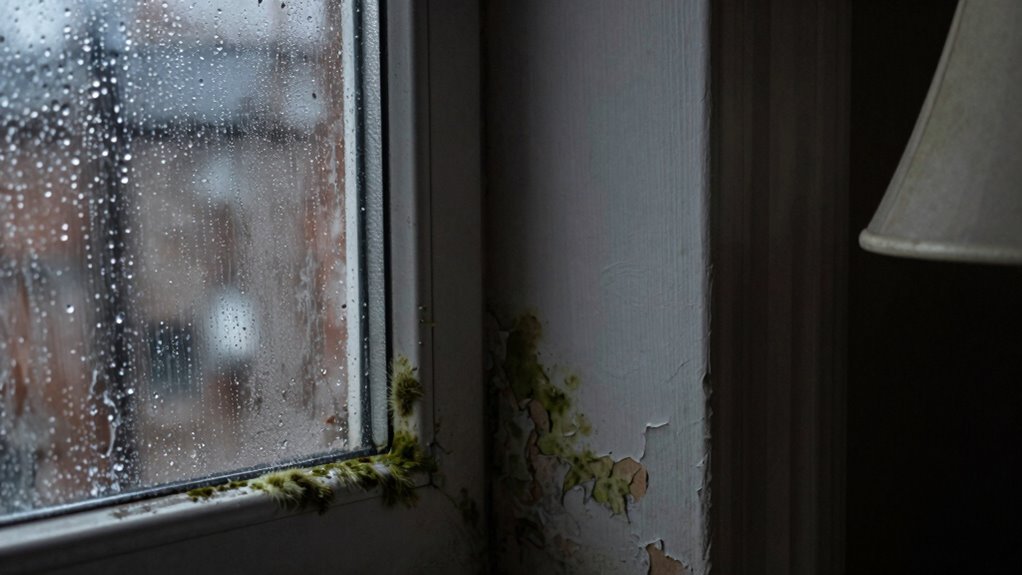

When you keep windows closed during cold months, moisture gets trapped inside, decreasing ventilation and raising indoor humidity. This creates a perfect environment for mold growth on surfaces like walls, ceilings, and furniture. Without proper airflow or moisture control, mold spores can thrive unseen, posing health risks. Maintaining good ventilation and monitoring humidity levels are key. If you want to learn how to prevent mold properly, keep exploring these important strategies.

Get everyday essentials delivered free with Prime
- Fast, free delivery on millions of items
- Prime Video, Amazon Music and more included
- Member-only deals all year
Key Takeaways
- Keeping windows closed reduces fresh air circulation, increasing indoor humidity and creating a conducive environment for mold growth.
- Cold weather prevents natural ventilation, trapping moisture on surfaces like walls and ceilings.
- Lack of ventilation hampers removal of indoor moisture, promoting mold spores to settle and proliferate.
- Elevated humidity levels during closed months support mold development on drywall, furniture, and hidden areas.
- Poor air exchange combined with moisture buildup elevates the risk of unseen mold behind walls and under carpets.
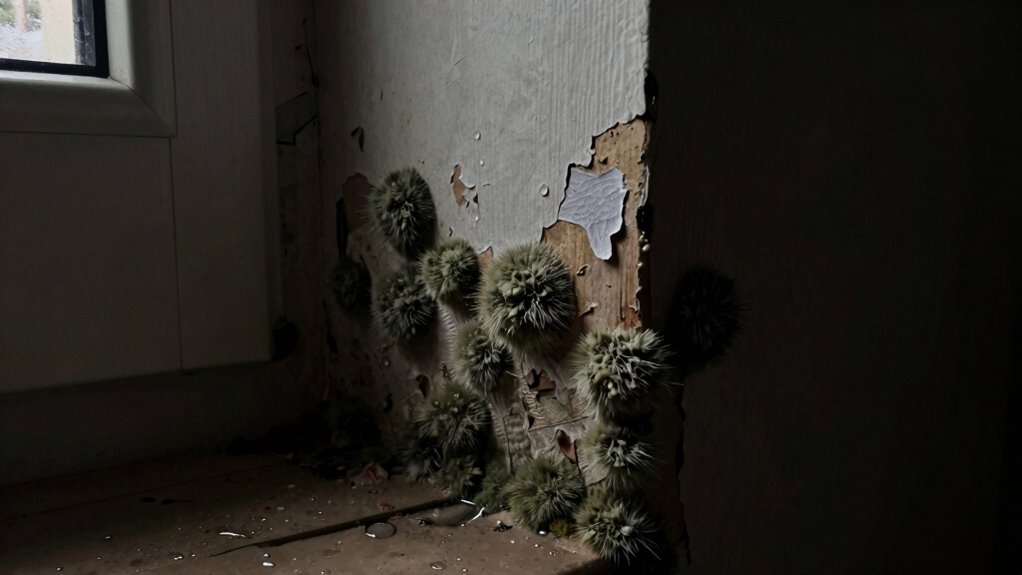
When the weather turns colder and you keep your windows closed, indoor mold risk increases if you don’t take proper precautions. As you shut out the fresh air, moisture becomes trapped inside your home, creating an ideal environment for mold growth. Without proper ventilation, humidity levels can rise, and if unchecked, mold spores will thrive on surfaces such as drywall, ceilings, and even furniture. This is why regular HVAC maintenance is crucial during these months. When you service your heating, ventilation, and air conditioning system, you ensure it’s working efficiently to control indoor humidity and filter out mold spores. Clean filters and well-maintained ducts help prevent moisture buildup and improve air quality, reducing the risk of mold growth. Additionally, maintaining proper ventilation practices helps ensure that moisture doesn’t accumulate indoors. Proper airflow and moisture control are essential to prevent dampness that fosters mold development.
Another smart move is to consider using mold resistant paints on walls and ceilings. These paints contain antimicrobial properties that inhibit mold development, especially in areas prone to moisture like bathrooms and basements. Applying mold resistant paints creates a barrier that makes it harder for mold spores to settle and grow. If you’re planning renovations or repainting, opting for these specialized paints can be a proactive step in mold prevention. Combined with proper ventilation, they help keep indoor air cleaner and healthier. Regularly inspecting areas prone to dampness and moisture buildup can also help you catch problems early before they escalate. Routine inspections are an effective way to prevent extensive mold damage and health issues.
Furthermore, controlling indoor humidity levels through moisture management strategies can significantly reduce mold risks, especially during months when windows remain shut for extended periods. You might also want to keep an eye on indoor humidity levels, aiming for a range of 30-50%. A hygrometer can help you monitor moisture, and if levels creep too high, using dehumidifiers or exhaust fans becomes essential. During colder months, you may be tempted to keep windows shut and turn up the heat, but neglecting moisture control can backfire. Without proper airflow and moisture management, mold spores can settle and multiply unnoticed. Remember, mold isn’t always visible; it can lurk behind walls or under carpets, causing health issues like allergies, respiratory problems, and asthma flare-ups. Ensuring your home is properly ventilated reduces the chances of hidden mold growth and keeps indoor air quality high.
As an affiliate, we earn on qualifying purchases.
Frequently Asked Questions
How Can I Prevent Mold Without Opening Windows?
You can prevent mold without opening windows by using mold-resistant materials in your home, especially in high-moisture areas. Keep humidity levels below 60% with dehumidifiers or air conditioners to discourage mold growth. Regularly clean and dry surfaces prone to moisture, like bathrooms and kitchens. Proper ventilation, even without opening windows, helps reduce moisture buildup. These steps help maintain a dry environment and minimize mold risks effectively.
What Are the Early Signs of Indoor Mold Growth?
You’ll notice musty odors or persistent dampness, signaling early mold growth. Watch for visible discoloration or fuzzy patches on walls, ceilings, or around windows. Mold thrives in high humidity, so if you see condensation or feel moist air, it’s a warning sign. Humidity control is vital—use dehumidifiers, fix leaks promptly, and guarantee proper ventilation. Acting fast prevents mold from spreading and causing health issues.
Are There Specific Rooms More Prone to Mold in Winter?
You’ll find mold-prone areas like bathrooms, kitchens, and basements more vulnerable during winter. Ventilation challenges arise as windows stay closed, trapping moisture and increasing mold risk. Without proper airflow, humidity levels rise, creating ideal conditions for mold growth. To protect these rooms, run exhaust fans, use dehumidifiers, and guarantee proper ventilation, even in cold months. Regular inspections help catch mold early before it causes damage or health issues.
How Often Should I Inspect for Mold During Closed Months?
You should inspect for mold at least once a month during closed months. Focus on areas with poor ventilation and high humidity, like bathrooms and basements. Use ventilation strategies such as exhaust fans or open vents when possible, and control humidity levels with dehumidifiers. Regular inspections help catch mold early, preventing damage and health issues. Keep an eye on hidden spots and address moisture problems promptly.
Do Air Purifiers Effectively Reduce Indoor Mold Spores?
Air purifiers with HEPA filters can effectively reduce indoor mold spores, helping with mold prevention. They trap airborne spores, preventing them from settling and growing on surfaces. However, they aren’t a complete solution; regular cleaning and controlling humidity are essential. If you keep windows closed during colder months, using an air purifier with HEPA filters can considerably improve your indoor air quality and reduce mold-related health risks.
indoor humidity monitor hygrometer
As an affiliate, we earn on qualifying purchases.
As an affiliate, we earn on qualifying purchases.
Conclusion
As you keep your windows closed, remember that mold is like a silent shadow lurking in the quiet corners of your home. It thrives in the unseen, feeding on your indoor air and dampness. But by staying vigilant—ventilating, controlling humidity—you hold the key to banishing this invisible threat. Think of your efforts as planting seeds of awareness and care, fostering a healthier space where mold can’t take root. Your vigilance is the shield that keeps your home safe and strong.
As an affiliate, we earn on qualifying purchases.
HVAC air filter for mold prevention
As an affiliate, we earn on qualifying purchases.
As an affiliate, we earn on qualifying purchases.
Fall Picks
fall essentials
As an affiliate, we earn on qualifying purchases.