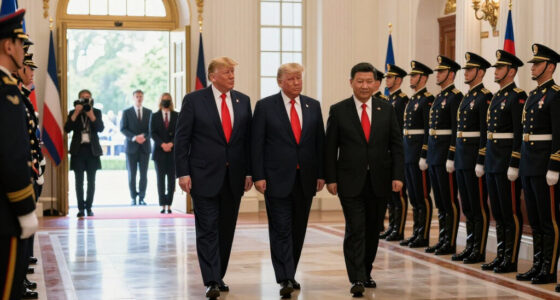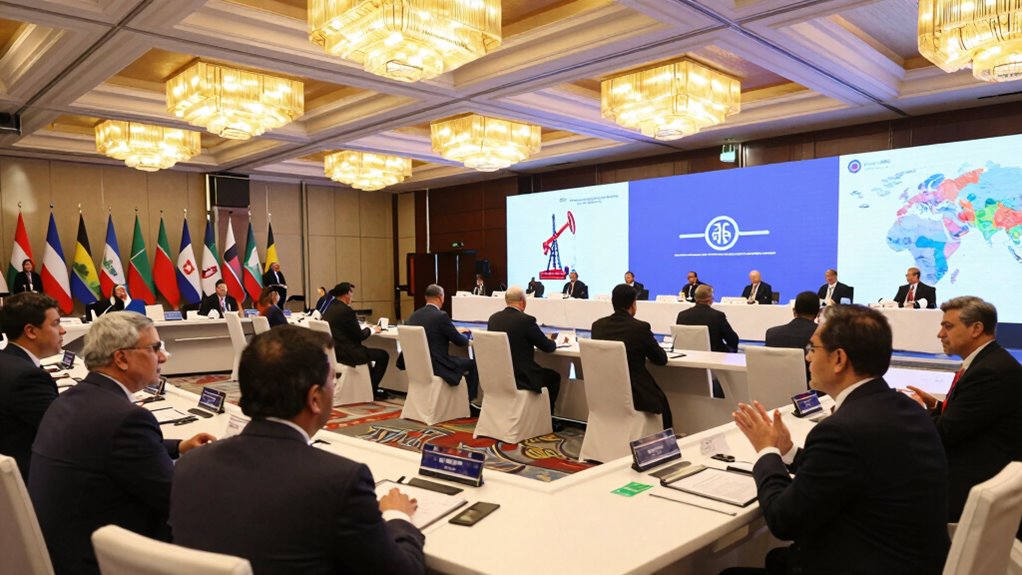

Energy politics influence alliances worldwide by shaping who controls crucial resources like oil, gas, and rare earth elements. Countries rely on energy exports to build strategic partnerships and strengthen their influence. As nations shift toward renewables, alliances evolve around clean energy tech and sustainability goals. These shifts create new tensions and opportunities, affecting regional and global power dynamics. If you want to understand how these changes are reshaping international relationships, keep exploring the emerging trends in energy geopolitics.

Get everyday essentials delivered free with Prime
- Fast, free delivery on millions of items
- Prime Video, Amazon Music and more included
- Member-only deals all year
Key Takeaways
- Control over fossil fuel reserves shapes geopolitical power and influences international alliances based on energy security.
- Investment in renewable energy technology fosters new alliances focused on sustainability and technological innovation.
- Competition for rare earth elements necessary for renewables adds complexity to global political relationships.
- Countries with abundant renewable resources seek regional influence through green energy projects and infrastructure.
- Energy transitions challenge traditional alliances, prompting strategic re-evaluations based on environmental commitments and technological capabilities.
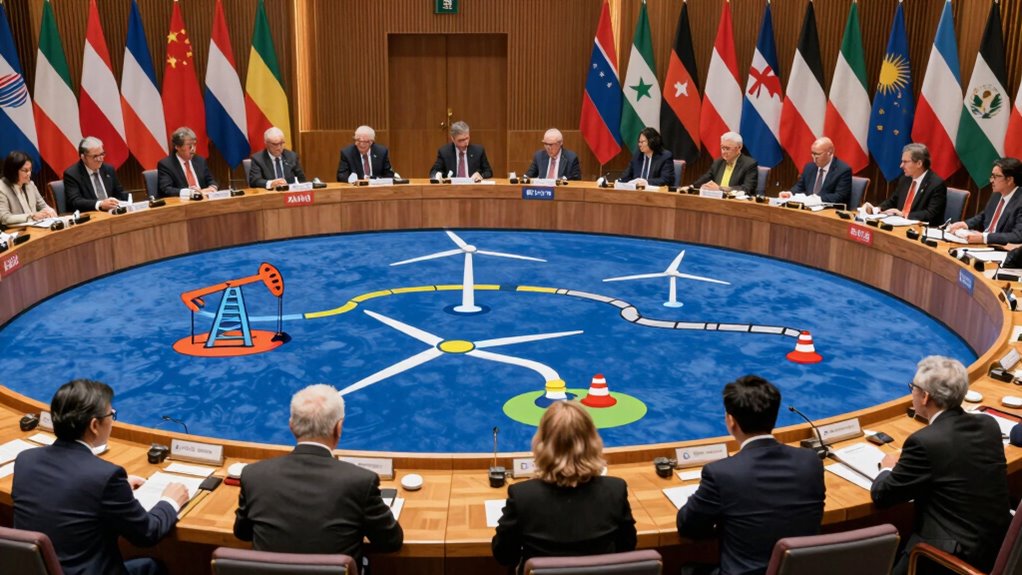
Have you ever wondered how energy resources shape global power dynamics? It’s a fascinating interplay where access to and control over energy sources influence not just national economies but also international alliances. In recent years, renewable geopolitics has gained prominence, shifting the traditional focus away from fossil fuel dependency. Countries investing heavily in renewable energy technology, like solar and wind, are positioning themselves as future leaders in sustainable power, which influences their diplomatic relationships. These investments often involve technological innovation that can redefine a country’s strategic advantages on the world stage. These nations often seek new alliances based on technological innovation and environmental commitments, rather than just fossil fuel reserves. Conversely, countries still heavily reliant on fossil fuels often find themselves in complex geopolitical situations, where control over oil and gas reserves determines their leverage on the global stage. This dependency creates a web of alliances and rivalries centered around energy supply and security. For example, oil-rich nations may form strategic partnerships to safeguard their interests, while importing countries sometimes align with these producers to guarantee stable energy access. The shift towards renewables complicates this picture, as nations race to diversify their energy sources, decreasing their vulnerability to supply disruptions and price swings. This evolution influences global alliances by encouraging cooperation on clean energy initiatives, but it also introduces new geopolitical tensions, especially in regions where fossil fuel reserves still dominate. As countries navigate this energy transformation, alliances are no longer solely based on traditional security or economic interests but increasingly on shared commitments to sustainability and technological advancement. This evolving landscape means that energy politics now drive alliances in more nuanced ways. Countries with abundant renewable resources, like sun-rich desert nations, are forming new partnerships to develop large-scale solar projects and grid interconnections, which can reshape regional influence. Meanwhile, fossil fuel-dependent nations may find themselves in a precarious position, balancing their economic needs with the push for cleaner energy. Additionally, renewable energy investments are becoming a key factor in national security strategies, further influencing alliance formations. Advances in energy storage technology are also critical, enabling nations to better manage intermittent renewable sources and strengthen their energy resilience. A better understanding of renewable geopolitics can help explain the shifting nature of international relations in this context. Moreover, the competition for rare earth elements essential for renewable technology manufacturing adds another layer of complexity to global energy politics. This change influences global power dynamics, encouraging nations to re-evaluate their alliances and strategic priorities. Ultimately, energy politics are at the heart of international relations, guiding how countries collaborate or compete. As the world moves toward renewable energy, the nature of these alliances will continue to evolve, highlighting the importance of technological innovation, environmental commitments, and energy security in shaping future global power structures. So, understanding the nuances of renewable geopolitics and fossil fuel dependency is essential for grasping how global alliances are formed and transformed in this rapidly changing energy landscape.
solar panel energy storage system
As an affiliate, we earn on qualifying purchases.
As an affiliate, we earn on qualifying purchases.
Frequently Asked Questions
How Do Energy Politics Impact Regional Economic Development?
Energy politics directly impact regional economic development by shaping energy sovereignty and influencing access to essential resources. You’ll find that fossil fuel geopolitics can create dependencies, hindering growth or fostering innovation in renewable energy. When regions prioritize energy independence, they attract investments and strengthen local economies. Conversely, conflicts over resources may destabilize markets, slowing development. Understanding these dynamics helps you grasp how energy policies can propel or impede regional growth.
What Role Do Renewable Energy Sources Play in Global Alliances?
Imagine a vibrant sunrise over a landscape dotted with solar panels, symbolizing hope and unity. Renewable energy sources, like solar power, foster global alliances through renewable cooperation and solar diplomacy. Countries team up to share technologies, reduce dependence on fossil fuels, and promote sustainable development. This shared pursuit of clean energy creates bonds rooted in environmental responsibility, forging stronger international partnerships built on mutual benefits and a common goal for a greener future.
How Do Climate Change Policies Influence Energy-Based Alliances?
Climate change policies shape your energy-based alliances by driving climate diplomacy and carbon negotiations. When countries prioritize reducing emissions, they often form partnerships to share clean energy technology and meet global targets. These policies encourage collaboration, especially between renewable energy producers and nations committed to climate goals. As a result, alliances strengthen around sustainable energy solutions, fostering cooperation that aligns economic interests with environmental commitments.
What Are the Long-Term Effects of Energy Dependency on Diplomacy?
Your energy dependency shapes long-term diplomacy by impacting energy security and geopolitical leverage. When nations rely heavily on imported fuels, they may become vulnerable to supply disruptions, prompting strategic alliances for stability. This dependency can also give resource-rich countries increased influence, affecting global power dynamics. Over time, such reliance encourages nations to diversify energy sources, but it often deepens diplomatic ties with key suppliers, shaping international relations for decades.
How Do Technological Advancements Alter Strategic Energy Partnerships?
Technological innovation transforms strategic energy partnerships by making energy sources more accessible and efficient. You’ll find that advances like renewable energy tech and smart grid systems encourage collaboration between nations, shifting alliances away from traditional fossil fuel dependencies. These innovations foster strategic collaboration focused on sustainability and security, ultimately redefining global power dynamics. As technology evolves, your country’s energy diplomacy must adapt to maintain influence and forge new alliances based on shared technological progress.
As an affiliate, we earn on qualifying purchases.
Conclusion
In the grand chessboard of global affairs, energy politics shape alliances more fiercely than ever. Your decisions and loyalties can shift faster than lightning, driven by the quest for control over essential resources. Understanding these dynamics is like holding a secret map to the world’s most powerful relationships—an adventure that’s as intense as a wildfire. Stay sharp, because in this game, energy isn’t just power; it’s the heartbeat of international diplomacy.
As an affiliate, we earn on qualifying purchases.
As an affiliate, we earn on qualifying purchases.
Halloween Picks
halloween
As an affiliate, we earn on qualifying purchases.