
International sanctions can cause shortages of certain products and push up prices, affecting what you can buy and what your money can buy. You might notice fewer options in stores or have to pay more for imported goods. These restrictions can also lead to economic instability, job losses, and higher inflation, making everyday essentials harder to afford. To understand how these global changes directly influence your shopping habits, keep exploring how sanctions reshape consumer experiences worldwide.
Key Takeaways
- Sanctions can cause shortages and higher prices for imported goods, impacting consumer affordability globally.
- Consumer choices shift toward local or cheaper alternatives due to limited product availability.
- Economic instability from sanctions can reduce disposable income, altering spending habits.
- Trade disruptions and currency devaluation lead to inflation and decreased access to quality products.
- Resilience varies by country, with support measures helping consumers adapt to economic challenges.
International sanctions can profoundly affect consumers around the world, often in ways they might not immediately recognize. When governments impose sanctions on a country, they aim to pressure political change or restrict certain activities, but these measures ripple outward, impacting everyday life far beyond political borders. You might notice changes in prices, availability, or quality of goods you usually buy. These shifts are part of the broader economic impact that sanctions create, influencing consumer behavior in subtle but significant ways.
Sanctions impact everyday consumers through price changes, product availability, and shifting economic conditions worldwide.
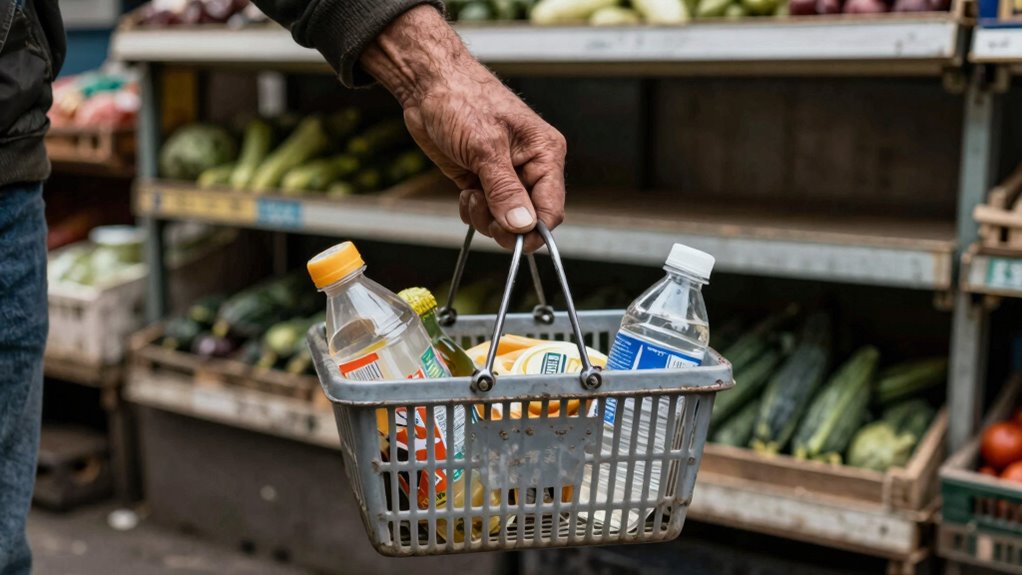
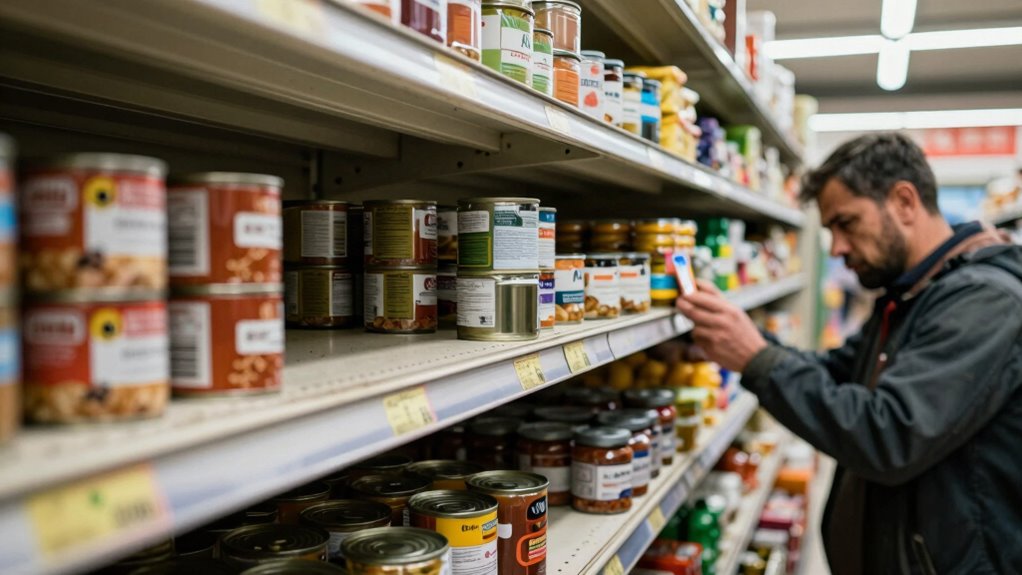
As a consumer, you may find certain products becoming scarce or more expensive. Sanctions can cut off access to specific imports, leading retailers to stock different items or raise prices to cover increased costs. For example, if a country relied heavily on importing a particular resource or luxury item, restrictions could cause shortages or price hikes. This forces you to adapt your shopping habits—perhaps choosing alternative brands, reducing your consumption, or delaying purchases altogether. Over time, these behavioral shifts can alter demand patterns, affecting what’s available in your local stores and how much you pay.
The economic impact of sanctions doesn’t just affect prices; it also influences the broader health of economies. When trade routes are disrupted or financial transactions are limited, it hampers the supply chain. This can lead to job losses in sectors linked to international trade, which, in turn, reduces consumers’ disposable income. As your purchasing power diminishes, you may prioritize essential goods over luxury items, modify your spending habits, or seek out cheaper alternatives. These changes, driven by economic strain, reshape consumer behavior on a large scale. Additionally, the uncertainty caused by sanctions can lead to decreased investor confidence, further destabilizing local economies.
Moreover, sanctions can lead to inflation and currency devaluation, making imported goods more expensive and locally produced items less competitive. If the currency of the sanctioned country weakens, you might notice higher prices for imported products or a decline in their availability. Conversely, if your country faces sanctions that restrict imports, you could experience shortages of certain goods or a decline in product quality because suppliers can’t access necessary materials. These economic pressures influence how, what, and when you buy, often nudging you toward local products or cheaper options. It is also important to recognize that economic resilience varies greatly among nations, affecting how consumers adapt to these changes. In addition, governments and local communities may implement support measures to help mitigate these impacts and stabilize markets for consumers.
In essence, when international sanctions are in place, their effects reach far beyond political statements—they shape your consumer experience. From prices to product choices, your behavior adapts to the evolving economic landscape. Recognizing these influences helps you understand that your shopping habits are interconnected with global political decisions, even when they seem removed from your daily life. Understanding the economic impact of sanctions can also foster a greater awareness of sustainable consumption and resilient practices that support local biodiversity and communities. This awareness can encourage consumers to support local businesses and explore sustainable alternatives in response to global economic shifts.

Roland Foods Original Sriracha Chili Sauce, Specialty Imported Food, 17 Ounce, Pack of 1
Roland Sriracha Chili Sauce is a tangy and spicy sauce made from salted sun-ripened chili peppers that imparts…
As an affiliate, we earn on qualifying purchases.
As an affiliate, we earn on qualifying purchases.
Frequently Asked Questions
How Do Sanctions Impact Small Local Businesses Internationally?
Sanctions can profoundly impact your small local business internationally by limiting access to key markets and suppliers. This hampers your economic resilience, making it harder to adapt and survive. You might need to explore new markets or diversify your products, which can be challenging but essential for growth. These restrictions often force businesses like yours to become more innovative and flexible to maintain stability amid uncertain global conditions.
Are Consumers in Sanctioning Countries Also Affected?
You’re not just caught in the crossfire—you’re directly impacted. Sanctions can shake consumer trust and harm brand reputation, making products scarcer or pricier. When countries impose sanctions, consumers often face limited choices, higher costs, and uncertainty about product quality. This disruption erodes confidence in brands and markets, proving that even in times of political tension, everyday folks feel the squeeze, turning a blind eye isn’t an option.
Can Sanctions Lead to Increased Product Prices Globally?
Yes, sanctions can lead to increased product prices globally. When sanctions disrupt international trade, they create market fluctuations and threaten economic stability. As supply chains are affected, the cost of importing goods rises, and businesses often pass these costs onto consumers. You might notice higher prices on everyday products, especially those reliant on global supply chains. Ultimately, sanctions can make goods more expensive for everyone, not just those directly targeted.
How Do Sanctions Influence International Travel and Tourism?
Sanctions often lead to travel restrictions, which directly impact your ability to visit certain countries. When nations impose sanctions, tourism declines because travelers face limited options and increased safety concerns. You might find flights canceled or visas harder to obtain, making international travel more complicated. As a result, the overall tourism industry suffers, reducing opportunities for cultural exchange and economic growth, and ultimately affecting your travel plans and experiences worldwide.
What Alternative Payment Methods Emerge Due to Sanctions?
When sanctions tighten, you might find yourself thinking outside the box. Cryptocurrency adoption grows as people seek alternatives to traditional banking, offering a way to bypass restrictions. Barter trade also makes a comeback, allowing you to exchange goods directly without relying on sanctioned financial systems. These methods help you keep transactions flowing, proving that even in tough times, you can find ways to stay connected and keep your economy moving smoothly.

The New Mediterranean Diet Cookbook: A Delicious Alternative for Lifelong Health
Used Book in Good Condition
As an affiliate, we earn on qualifying purchases.
As an affiliate, we earn on qualifying purchases.
Conclusion
As an everyday consumer, sanctions can seem distant, but they impact you more than you realize. For instance, over 60 countries face restrictions that can limit access to certain goods and services. When sanctions tighten, you might find products more expensive or harder to get. So, next time you see a shortage or price hike, remember it’s connected to global political moves, affecting your daily life in ways you might not expect.
inflation-proof household essentials
As an affiliate, we earn on qualifying purchases.
As an affiliate, we earn on qualifying purchases.

BCW Regular Bill Currency Sleeves, 6 1/4 x 2 11/16 Inches, Clear, 100 Count
Thin, Low-Bulk Protection by Design: These currency sleeves are intentionally made with a thin profile to add virtually…
As an affiliate, we earn on qualifying purchases.
As an affiliate, we earn on qualifying purchases.