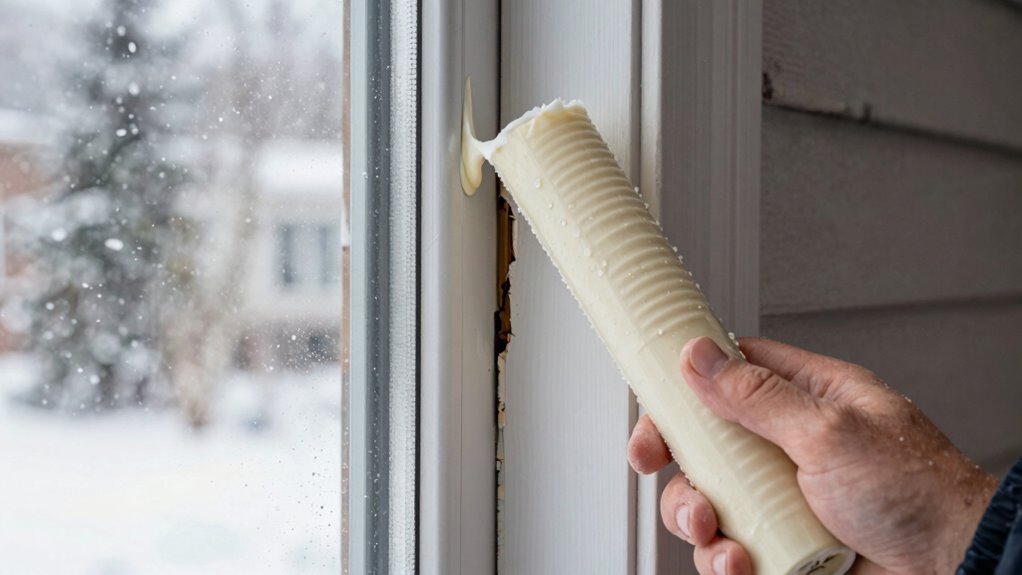

Caulking and sealing before winter storms matter because they prevent warm indoor air from escaping and cold air from sneaking inside. This helps keep your home warmer, reduces your energy bills, and lessens the strain on your heating system. Sealing around windows, doors, and vents creates a barrier against drafts, moisture, and damage. If you want to learn more on how to prepare your home efficiently, keep going for helpful tips.

Get everyday essentials delivered free with Prime
- Fast, free delivery on millions of items
- Prime Video, Amazon Music and more included
- Member-only deals all year
Key Takeaways
- Caulking and sealing prevent cold air infiltration, keeping indoor spaces warmer during winter storms.
- Proper sealing reduces drafts, enhancing comfort and minimizing strain on heating systems.
- Sealing around windows and doors blocks moisture entry, preventing mold and water damage in storm conditions.
- It is a quick, cost-effective way to improve energy efficiency before severe weather hits.
- Sealing helps maintain indoor air quality by reducing pollutants and drafts during harsh winter conditions.
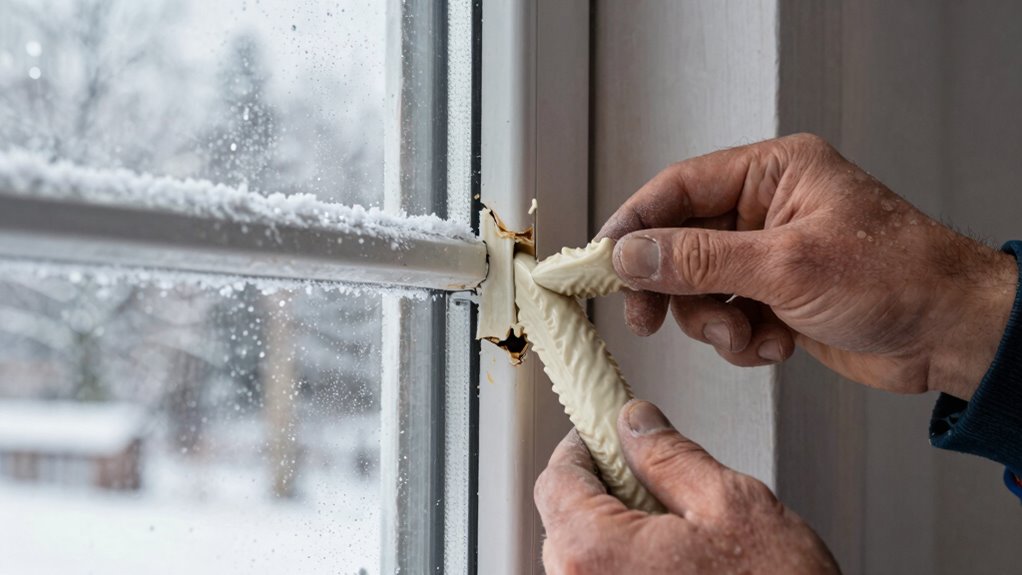
As winter approaches, have you checked your home for drafts and gaps? This simple step can make a big difference in how comfortable and energy-efficient your home becomes during the colder months. When you seal up those tiny cracks around windows, doors, and other openings, you prevent warm indoor air from escaping and cold air from sneaking in. This process of caulking and sealing is essential because it directly impacts your home’s energy efficiency, helping you reduce heating costs and lessen the strain on your heating system. When your home is properly sealed, it maintains a more consistent temperature, which translates to improved indoor comfort for you and your family.
Ignoring gaps and cracks might seem minor, but they can significantly undermine your efforts to stay warm. Small leaks around windows and doors can let in cold drafts that make rooms feel uncomfortable and cause your heater to work harder than necessary. Over time, this inefficiency adds up — increased energy bills and faster wear-and-tear on your heating system. By investing in caulking and sealing now, you avoid these issues, ensuring your home stays warm and cozy without wasting energy. Plus, sealing gaps prevents moisture infiltration, which can lead to mold growth and damage to your walls or insulation, further compromising your indoor air quality and comfort. Proper home maintenance can save you money and improve your overall living environment during winter. Additionally, taking these preventive steps can contribute to supporting biodiversity by reducing energy consumption and limiting environmental impact.
Another reason sealing before winter is so vital is that it’s a quick, cost-effective way to prepare your home for the storms ahead. You don’t need major renovations or expensive repairs—just a few supplies like caulk, weatherstripping, and a bit of time. As you work around windows, doors, vents, and electrical outlets, you create a barrier that keeps out the cold and retains the heat inside. This effort pays off during the coldest days, as your home remains warmer and more stable. Additionally, sealing gaps can improve indoor air quality by reducing drafts that bring in dust, pollen, or outdoor pollutants, making your space healthier. Proper ventilation and air quality help remove indoor contaminants, further supporting a healthier indoor environment during winter. Ensuring your home is well-sealed is also a key step in preventing energy loss and maintaining optimal comfort during the colder months.
weatherstripping for doors and windows
As an affiliate, we earn on qualifying purchases.
As an affiliate, we earn on qualifying purchases.
Frequently Asked Questions
How Often Should I Reapply Caulk During Winter?
You should reapply caulk every 1 to 2 years during winter, depending on caulking durability and sealing frequency. Cold weather can cause caulk to crack or shrink, reducing its effectiveness. Regular inspections before and during winter help identify areas needing re-sealing. If you notice gaps or deterioration, it’s best to reseal promptly to maintain insulation and prevent drafts, ensuring your home stays warm and energy-efficient through the storm season.
Can Sealing Help Reduce Energy Bills Significantly?
Sealing your home can work wonders in trimming your energy bills. By reducing air leakage, you keep warm air in and cold air out, making your heating system’s job easier. Think of it as giving your insulation a boost, which enhances overall efficiency. This simple step not only saves money but also creates a cozier space, especially when winter storms roll in. It’s a smart move to keep your home comfortable and budget-friendly.
What Types of Sealants Are Best for Outdoor Use?
For outdoor use, silicone and polyurethane sealants are your best options because of their superior durability and outdoor weatherproofing qualities. Silicone sealants resist moisture and temperature changes, making them ideal for sealing gaps exposed to the elements. Polyurethane offers excellent adhesion and flexibility, ensuring long-lasting protection against harsh weather. Both types are designed to withstand outdoor conditions, helping you keep your home energy-efficient and protected before winter storms arrive.
Is It Safe to Seal Around Electrical Outlets?
Like a wise old sage once said, “Safety first!” Yes, it’s safe to seal around electrical outlets if you follow proper electrical safety practices. Use a non-conductive, exterior-grade sealant designed for outlet insulation, ensuring power is off before sealing. This prevents drafts and moisture intrusion, reducing shock hazards and improving energy efficiency. Just take care to avoid sealing directly over the socket openings or wiring.
How Do I Know if My Current Seals Are Failing?
You can tell if your seals are failing by checking for drafts around windows, doors, or outlets, which can lower indoor air quality and invite pests. Feel for cold spots or observe if your heating runs constantly. Gaps or cracked caulking indicate deterioration. Addressing these issues before winter helps maintain warmth, improves air quality, and prevents pests from entering through small openings. Regular inspections keep your home secure and efficient.
caulking sealant for winter weather
As an affiliate, we earn on qualifying purchases.
As an affiliate, we earn on qualifying purchases.
Conclusion
So, go ahead—embrace your inner home hero and seal up those cracks before winter storms crash your cozy party. Think of it as giving your house a warm, fuzzy sweater—without the itchy wool. Skip this step, and you might as well invite the snow inside for a midnight tea party. Trust me, your future self will thank you when you’re not shivering under a leaky roof or blowing your budget on emergency fixes. Stay warm and seal smart!
As an affiliate, we earn on qualifying purchases.
As an affiliate, we earn on qualifying purchases.
Halloween Picks
halloween
As an affiliate, we earn on qualifying purchases.